An extinct species
Denisovans †
Denisovans (Homo longi debated)
Revealed by a finger bone, still part of our genetic story
Lived about 300,000–30,000 years ago.
You and the denisovans meet in the Humans and chimpanzees branch, shown at about 7 million years ago (on 31 December, in a calendar from life's shared ancestor to today).
Compare with something elseA tiny finger bone revealed these extinct members of our human family. Scientists recognised them in 2010 by studying DNA preserved inside the bone, rather than a complete skeleton. Denisovans lived roughly 300,000 to 30,000 years ago, although those broad dates remain uncertain. Their closest known extinct relatives were Neanderthals, but they were a distinct branch of the family.
Their connection to us was more than a distant family link: Denisovans had children with members of our species. A version of a gene inherited from them helps Tibetans cope with the low oxygen high in the mountains. It limits the rise in oxygen-carrying blood cells that can make blood too thick. It does not simply make people breathe faster.
Fossils placed Denisovans across widely separated parts of Asia, including Siberia, China and the Tibetan Plateau. They were not restricted to snowy caves: remains from southwest China came from surroundings that included forest. Bones and ancient molecules revealed parts of their story, but no complete skeleton showed their whole body.
Named after a cave
Their everyday name came from Denisova Cave in Siberia, where their first recognised remains were found.
A mountain jawbone
The Xiahe jawbone from the Tibetan Plateau was at least about 160,000 years old. It was the first confirmed Denisovan fossil identified outside Denisova Cave.
A face joined the story
In 2025, ancient DNA linked the nearly complete Harbin skull, nicknamed ‘Dragon Man’, to Denisovans.
Next to it on the tree
- HumanYou are here: one twig on a very large tree.


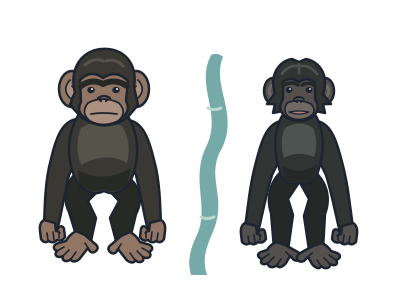
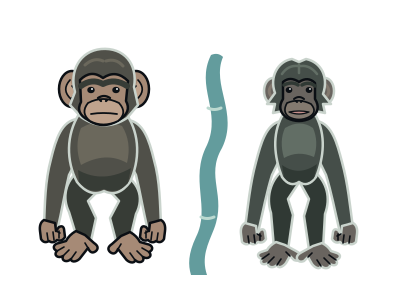
- Chimpanzees and bonobosTwo apes split by the Congo River: one more warlike, one more peaceful.
- "Lucy" (Australopithecus)Walked upright 3.2 million years ago with a brain the size of a chimp's.
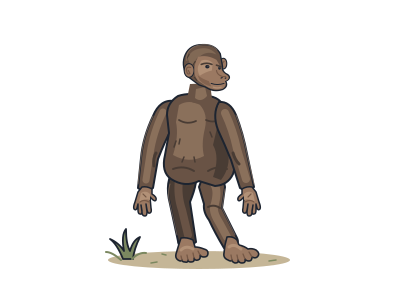
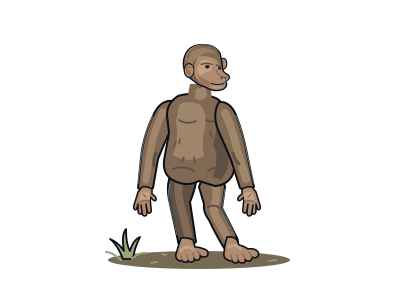
- Homo erectusThe first human relative to leave Africa, and it lasted nearly two million years.
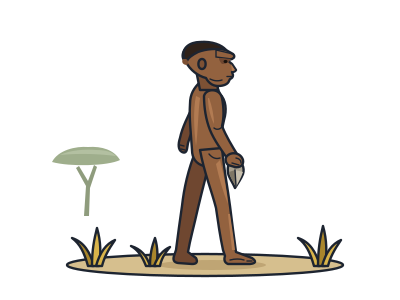
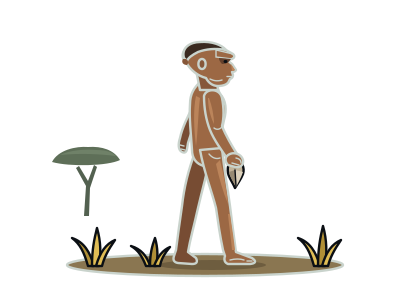
- NeanderthalAmong our closest extinct relatives; many people carry some Neanderthal DNA.
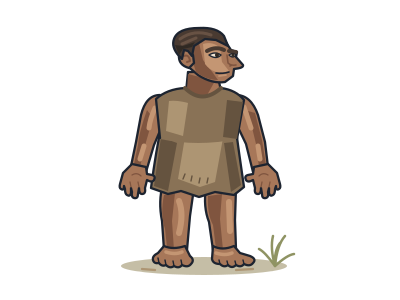
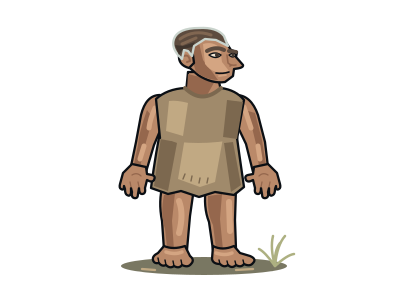
- Homo habilisThe "handy man", an early member of our genus linked to early stone tools.
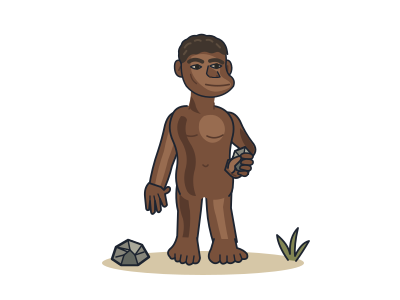
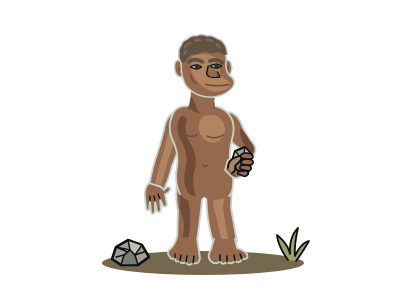
- Homo floresiensisThe "hobbit": a metre-tall human relative living on an Indonesian island.
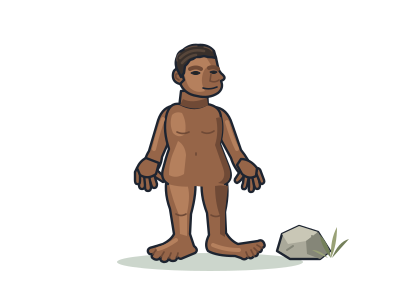
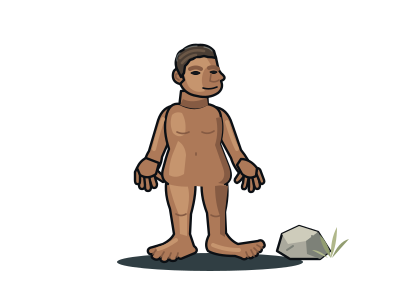
- Paranthropus boiseiA human cousin with huge cheek teeth and a skull crest, nicknamed "Nutcracker Man".