A species
Pacific oyster
Magallana gigas
Many litres filtered daily, without leaving home.
You and the pacific oyster meet in the Two-sided animals branch, shown at about 580 million years ago (on 11 November, in a calendar from life's shared ancestor to today).
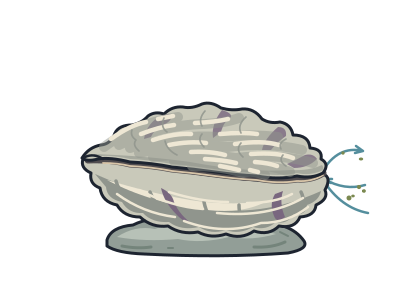
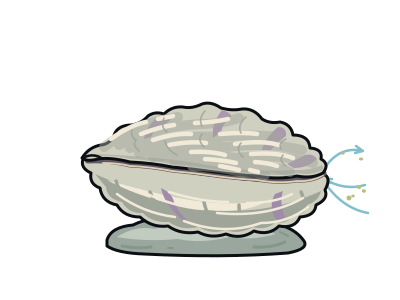
A Pacific oyster filters many litres of water a day while feeding. This is a family habit: like clams, mussels and scallops, it belongs to the two-shelled animals called bivalves. Most members of this group pass water through their gills and collect tiny food particles. The daily amount varies with the oyster’s size, water temperature, currents and available food.
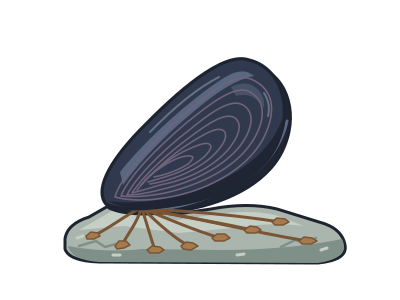
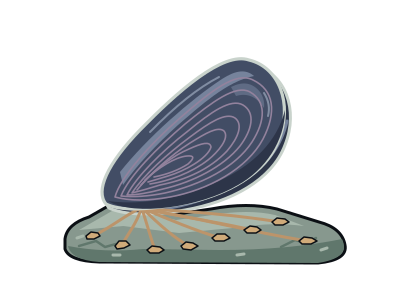
An adult does not roam around looking for its next meal. Instead, it cements itself to a hard surface and stays there. Some other bivalves anchor themselves with tough threads. An oyster’s permanent attachment is a different solution to staying put while water brings food within reach.
By removing floating food particles, oysters can make water clearer, letting more light reach underwater plants. Pacific oysters can also build reefs that shelter fish and other animals, including native oysters in some places. Their shells give other animals hard surfaces to settle on, even where the shore beneath is muddy or sandy.
A drifting start
Young Pacific oysters drift with currents before settling onto shells, rocks or another suitable surface after about three weeks.
Changing sex
Some Pacific oysters change from male to female as they grow older.
No single shell shape
Shell shape varies greatly, partly because of the surface an oyster grows on. Shape alone can make identification difficult.
Next to it on the tree
- Giant clamCan weigh over 200 kilograms and grows algae in its lips.
- RudistsCone-shaped clams that built reefs and vanished with the dinosaurs.
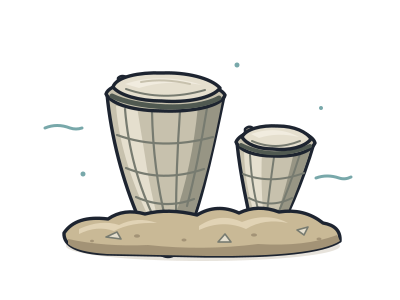
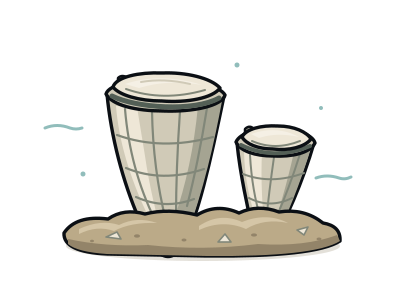
- Blue musselAnchors itself with super-strong threads that inspire underwater glues.
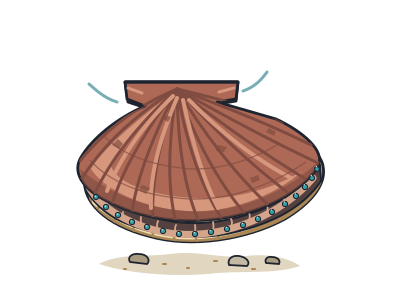
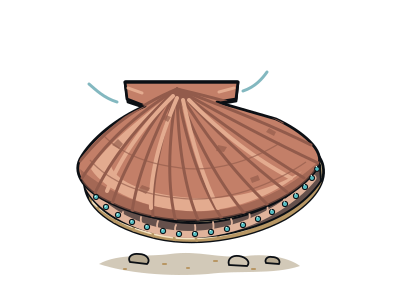
- Great scallopSwims by clapping its shells and watches with up to 200 tiny eyes.
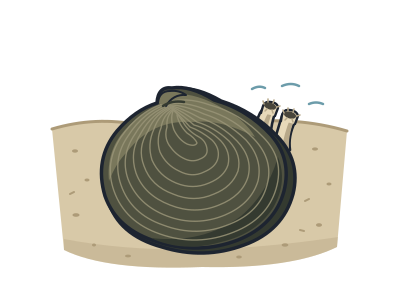
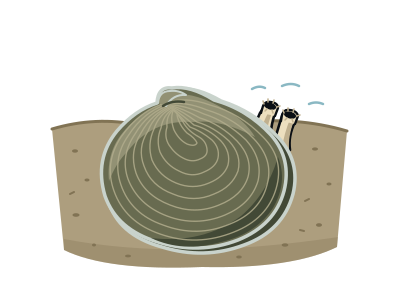
- Ocean quahogOne was 507 years old, the oldest animal whose age is known exactly.
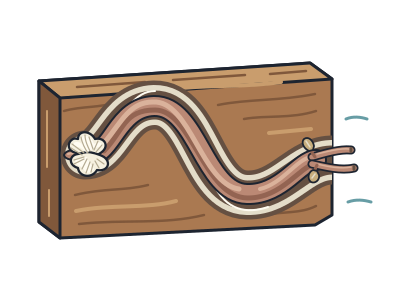
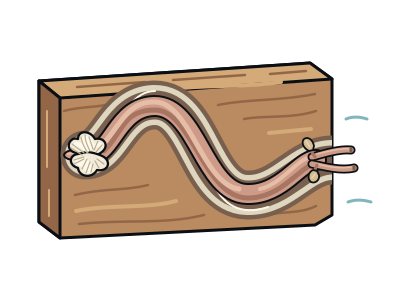
- ShipwormA worm-like clam that bores through wooden ships and piers.
- GeoduckA giant burrowing clam whose neck is too big to fit in its shell; it can live 150 years.
- Freshwater pearl musselA river mussel that can live for over 100 years, and whose rare pearls once decorated royal crowns.
- Disco clamA clam that seems to flash like a disco ball, using light reflected from its lips.