A group of living things
Nudibranchs
Nudibranchia
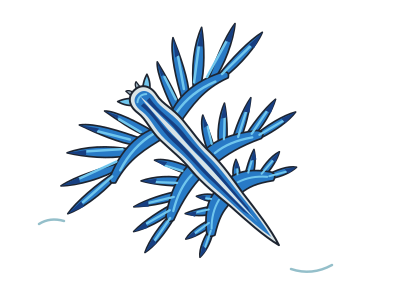
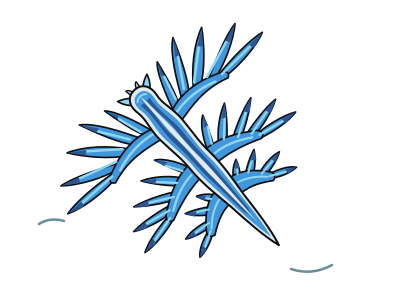
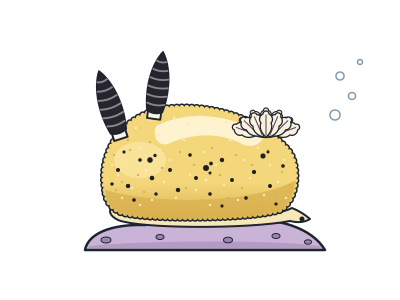
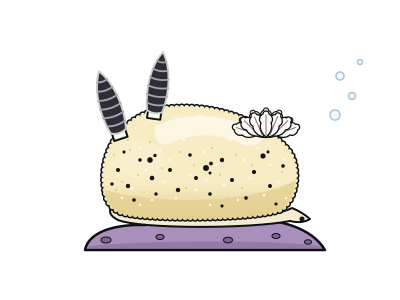
Shell-less sea slugs in dazzling colours, many wearing frilly gills on their backs.
This branch is shown at about 150 million years ago; its age is a rough estimate.
You and nudibranchs meet in the Two-sided animals branch, shown at about 580 million years ago (on 11 November, in a calendar from life's shared ancestor to today).
Two-sided animalsStarfish, sea squirts and usChordatesVertebratesJawed vertebratesBony fish and their descendantsLobe-finned fishFish on the way to landFour-limbed animalsAmniotesMammals and their ancestorsMammalsLive-bearing mammalsPlacental mammalsPrimates, rodents and rabbitsPrimatesApesGreat apesHumans and chimpanzeesHumanMouth-first animalsMolluscs, worms and kinMolluscs, ringed worms and kinMolluscsSnails and slugsSlugs, land snails and sea slugsNudibranchs
Shell-less sea slugs in dazzling colours, many wearing frilly gills on their backs.
The full page for Nudibranchs is still being written and drawn.
Inside nudibranchs
Next to it on the tree
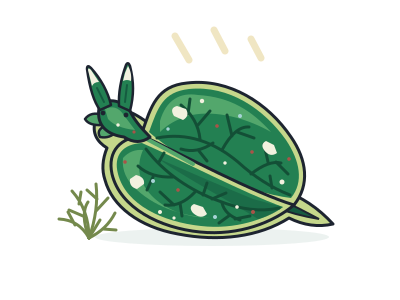
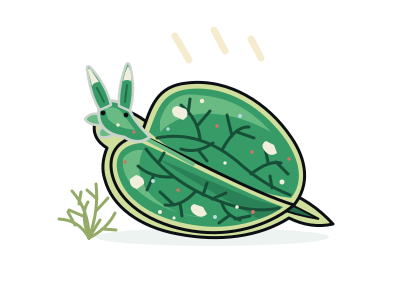
- Solar-powered sea slugSteals chloroplasts from the algae it eats and uses them to make food from sunlight.
- California sea hareA big sea slug whose simple nerves revealed how memories form.
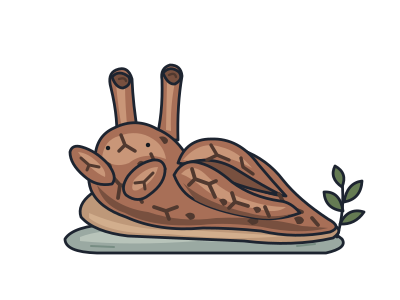
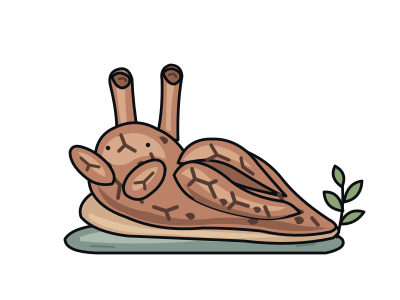
- Land snails and slugsAir-breathing snails with eyes on the tips of their long tentacles.
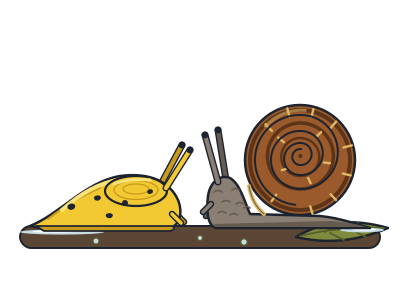
- Great pond snailA pond snail that comes to the surface to breathe and helps scientists study memory.
- Sea butterflyA tiny snail that flaps through the water on two wings, at risk as oceans turn more acidic.