A species
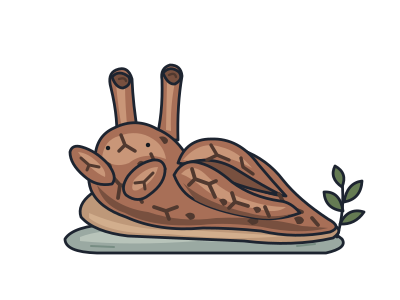
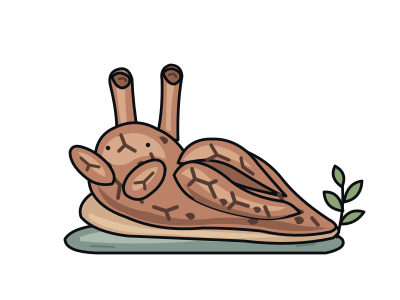
California sea hare
Aplysia californica
A snail relative that helped unlock the secrets of memory.
You and the california sea hare meet in the Two-sided animals branch, shown at about 580 million years ago (on 11 November, in a calendar from life's shared ancestor to today).
This big sea slug is a garden snail relative that helped reveal how memories form. It belongs to the same broad group as cone snails and limpets, despite looking very different from a familiar garden snail. Even its apparently shell-less body holds a surprise: a small shell hidden inside.
Its main nerve centres contain about 20,000 nerve cells. Some are large enough to see without a microscope, making their connections easier for scientists to study. Researchers found that learning can change the strength of particular connections between these cells. Work with sea slugs contributed to Eric Kandel’s share of the 2000 Nobel Prize in Physiology or Medicine.
Away from the laboratory, this animal lives along the coast from northern California to the Gulf of California in Mexico. It moves on one broad, muscular foot underneath its soft body. The animal that helped explain a basic part of memory is also simply a sea-dwelling relative of the snails in a garden.
Food colours its defence
The purple colour of its defensive ink comes from pigments in the red algae it eats.
Spaghetti-like eggs
Its eggs sit inside jelly strings that look like a tangled pile of spaghetti.
Light, not pictures
Its simple eyes distinguish light from dark rather than seeing detailed images.
Next to it on the tree
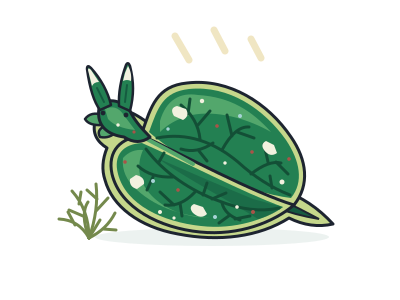
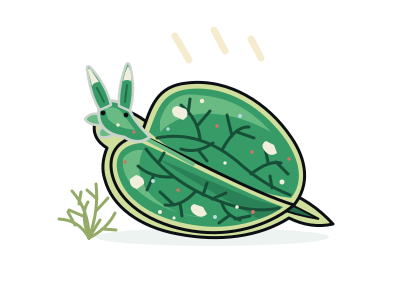
- Solar-powered sea slugSteals chloroplasts from the algae it eats and uses them to make food from sunlight.
- NudibranchsShell-less sea slugs in dazzling colours, many wearing frilly gills on their backs.
- Land snails and slugsAir-breathing snails with eyes on the tips of their long tentacles.
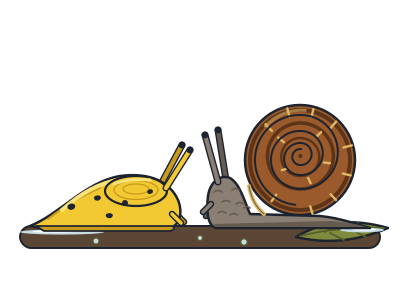
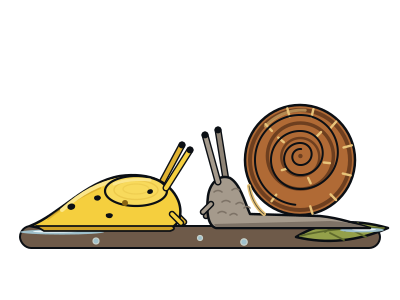
- Great pond snailA pond snail that comes to the surface to breathe and helps scientists study memory.
- Sea butterflyA tiny snail that flaps through the water on two wings, at risk as oceans turn more acidic.