A species
Solar-powered sea slug
Elysia chlorotica
A snail relative with stolen solar power
You and the solar-powered sea slug meet in the Two-sided animals branch, shown at about 580 million years ago (on 11 November, in a calendar from life's shared ancestor to today).
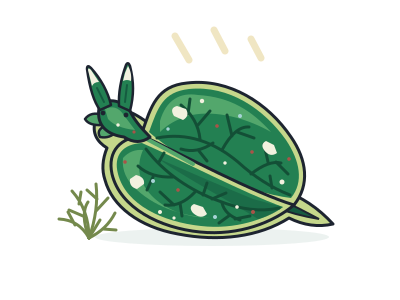
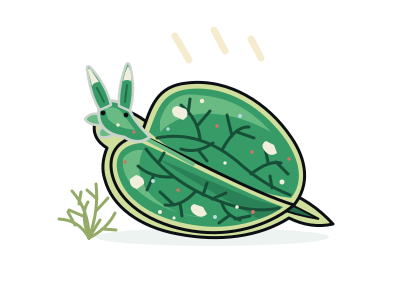
This sea slug steals chloroplasts—the tiny sunlight-catching parts inside algae—and uses them to make food from sunlight. The borrowed parts make sugars and fats that nourish their new owner. Despite looking like a green leaf, the slug is an animal in the same group as garden snails and other slugs, not a plant.
The theft begins at mealtime. Instead of biting off chunks of seaweed, it pierces algae and sucks out their cell contents. It keeps the chloroplasts working inside cells in its gut, rather than keeping whole living algae. This borrowed food-making equipment helps the slug cope with food shortages.
Young slugs cannot start life powered by sunshine. They must first eat suitable algae to collect chloroplasts; they do not inherit them from their parents. Brownish youngsters turn green after feeding. That leaf-like green appearance also helps them blend into their surroundings.
A shell to start with
Its early young, called larvae, have a shell. Adults have none.
Fold-away flaps
Two broad side flaps can spread flat or fold upwards over its back.
Strings of eggs
It lays eggs in long strings held together by mucus.
Next to it on the tree
- California sea hareA big sea slug whose simple nerves revealed how memories form.
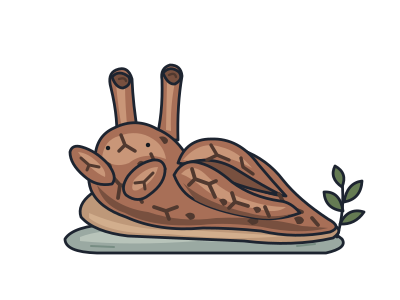
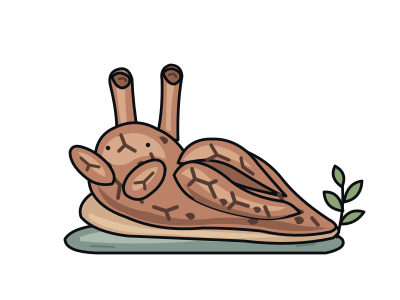
- NudibranchsShell-less sea slugs in dazzling colours, many wearing frilly gills on their backs.
- Land snails and slugsAir-breathing snails with eyes on the tips of their long tentacles.
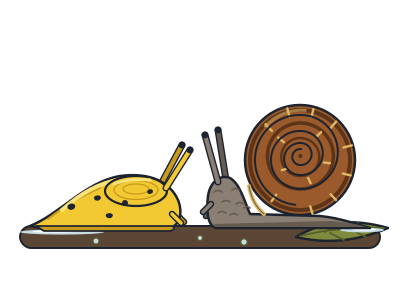
- Great pond snailA pond snail that comes to the surface to breathe and helps scientists study memory.
- Sea butterflyA tiny snail that flaps through the water on two wings, at risk as oceans turn more acidic.