A species
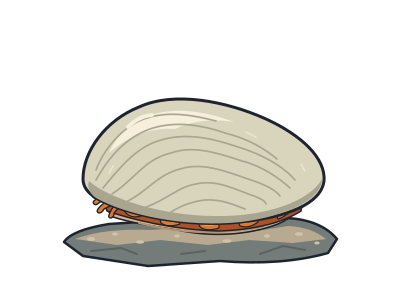
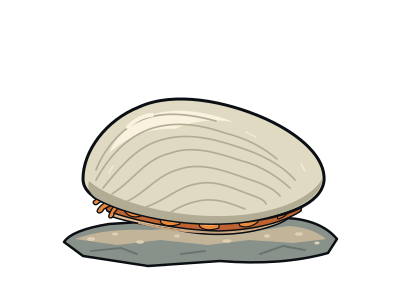
Neopilina
Neopilina galatheae
A deep-sea survivor from a group thought long gone
You and the neopilina meet in the Two-sided animals branch, shown at about 580 million years ago (on 11 November, in a calendar from life's shared ancestor to today).
Until 1952, scientists thought this animal’s wider group had died out about 375 million years ago. Then the Danish research ship Galathea found living animals about 3,600 metres deep off Costa Rica. The discovery revealed survivors of a group previously known only from fossils—not proof that this exact species had lived for all that time.
It belongs to the molluscs, the same broad group as snails, clams, chitons, squid and octopuses. Its rounded, cap-shaped shell may look like a limpet’s, but it is not a snail. Beneath the shell sits one broad, flat, oval foot, rather than separate walking legs.
Its home is the deep eastern Pacific seabed. Confirmed records come from off Baja California, Costa Rica and near the Galápagos. It has been recorded on muddy deposits and volcanic rock dusted with sediment, roughly 2,500 to 3,700 metres below the surface.
Ten gills
Five gills line each side of its foot, making ten altogether.
A ribbon of teeth
Like many other molluscs, it has a toothed feeding ribbon called a radula.
Seen again
A confirmed sighting near the Galápagos in October 2023 ended more than six decades without a new definite specimen record.
Next to it on the tree
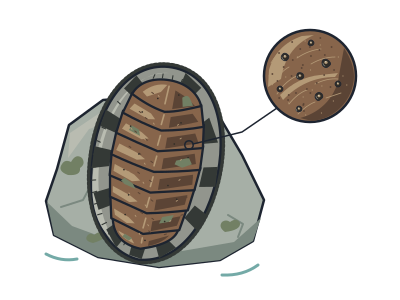
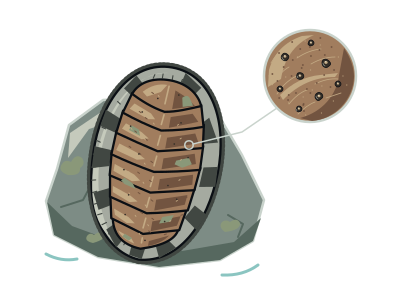
- Fuzzy chitonA mollusc with eight shell plates dotted with hundreds of tiny eyes made of mineral.
- EndocerasA genus of cone-shelled relatives of squid; large historical shell estimates approach car-length, while diet remains debated.
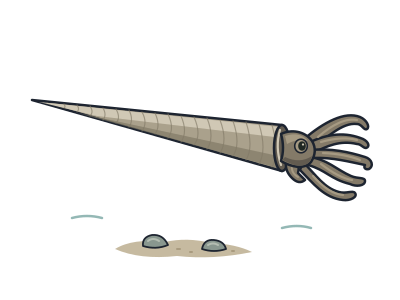
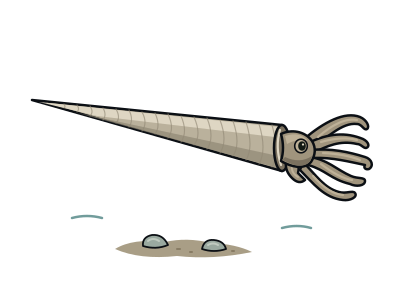
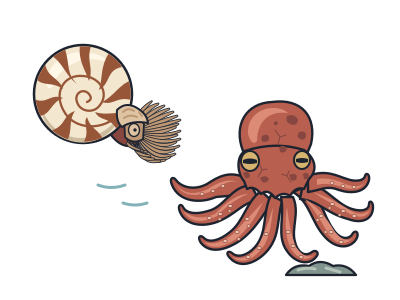
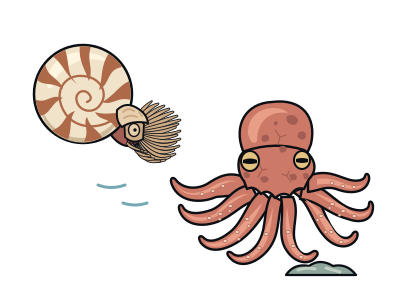
- CephalopodsMolluscs that became fast, clever hunters with arms around the mouth.
- Snails and slugsMolluscs that twist their bodies as larvae; the most varied mollusc group.
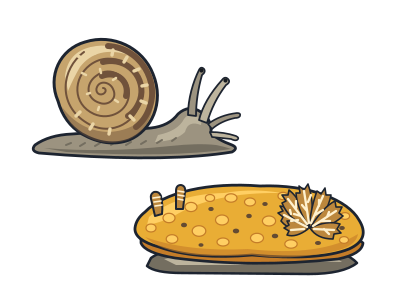
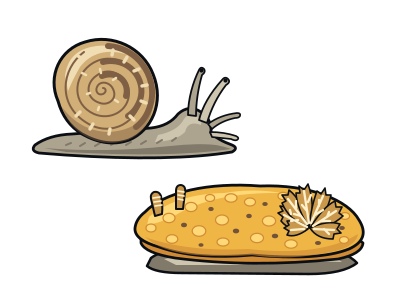
- Clams and oystersMolluscs with two hinged shells and no head.
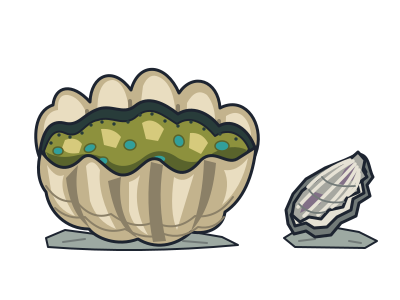
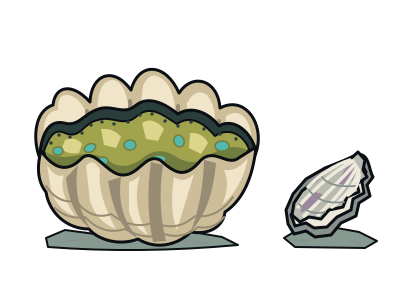
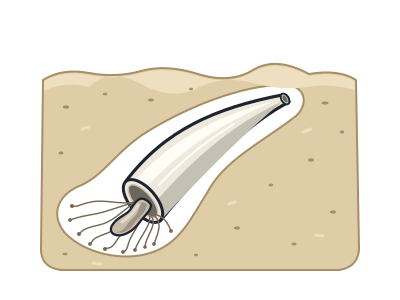
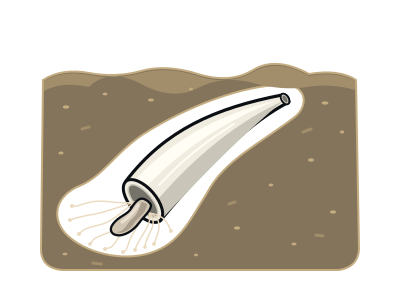
- Tusk shellA mollusc in a tiny elephant-tusk shell that probes sand with sticky threads.
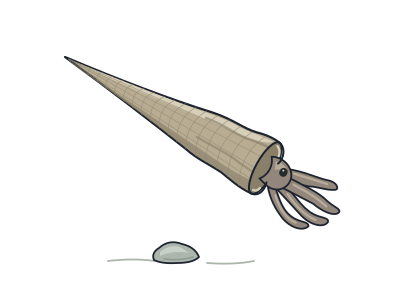
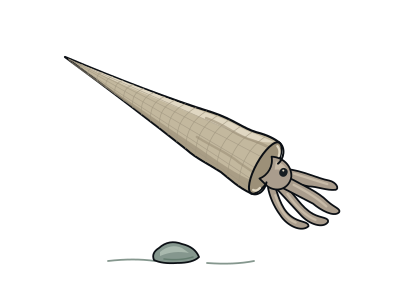
- OrthocerasA squid relative in a straight, pointed shell, sold everywhere as polished fossils.
- Gumboot chitonThe largest chiton, a reddish leathery slab as long as a shoe that hides its shell plates inside.