An extinct group
Endoceras †
Endoceras
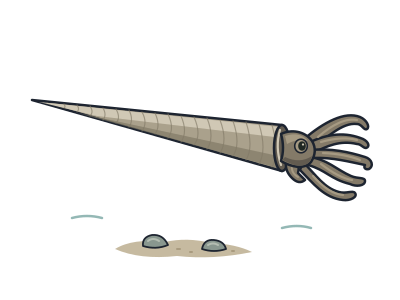
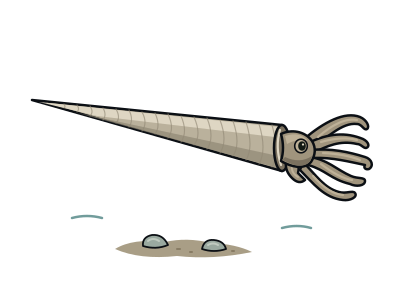
A cone shell that could reach car-length.
Lived about 470–445 million years ago.
You and endoceras meet in the Two-sided animals branch, shown at about 580 million years ago (on 11 November, in a calendar from life's shared ancestor to today).
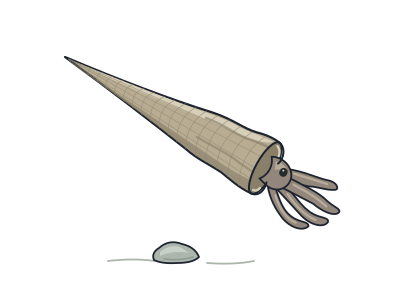
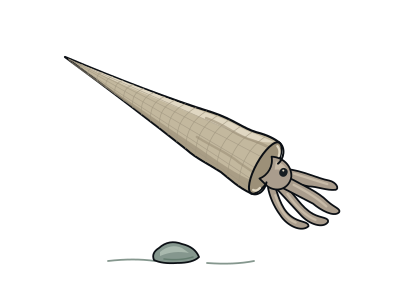
Some of these ancient relatives of squids and octopuses carried cone-shaped shells as long as a car. They lived in Ordovician seas about 470 to 445 million years ago. Historical descriptions reported shells about 3 to 4.5 metres long for one species. These were reports of large examples, not an established average.
Fossils preserved long, straight shells that narrowed towards a pointed rear. Researchers inferred that the main soft body occupied the largest chamber at the wide end. The whole cone was not packed with a squid-like body. Behind it lay more chambers.
As each animal grew, it extended its shell forwards and built a dividing wall behind its body. This left another chamber. Researchers inferred that an internal tube helped control liquid in these chambers, allowing the shell to help keep the animal afloat.
A wide reach
Its fossils were found across North America and eastern Eurasia, with records also reported from Australia.
Lines, not colour stripes
Shell surfaces could bear fine lines or narrow raised bands. These showed texture, not proven colour patterns.
Stone copies
Some fossils were stone moulds of the shell’s inside, rather than preserved shell material.
Next to it on the tree
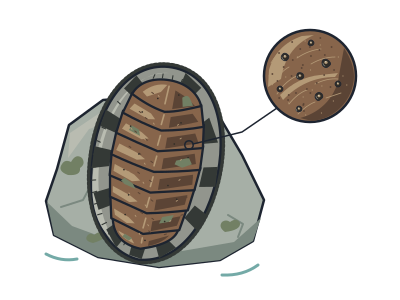
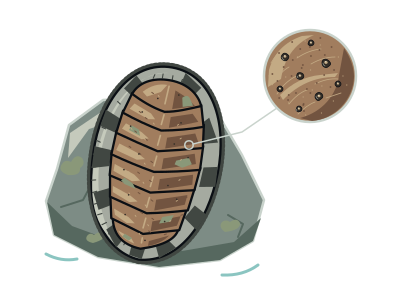
- Fuzzy chitonA mollusc with eight shell plates dotted with hundreds of tiny eyes made of mineral.
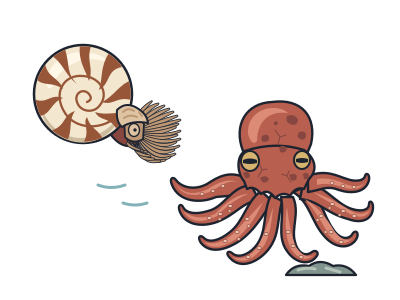
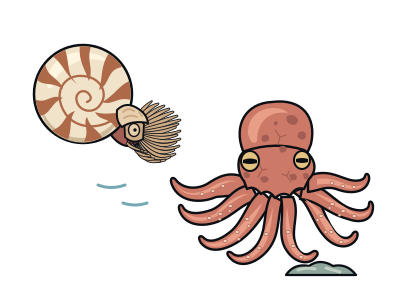
- CephalopodsMolluscs that became fast, clever hunters with arms around the mouth.
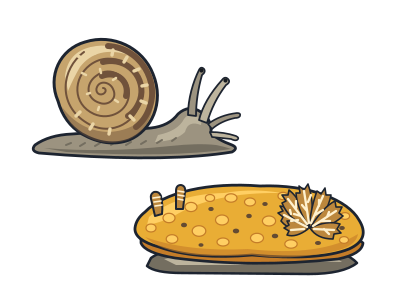
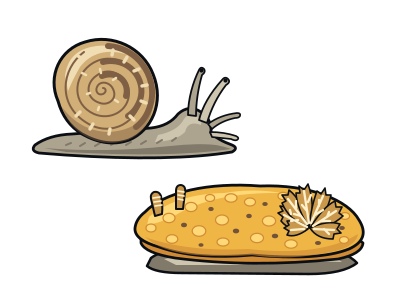
- Snails and slugsMolluscs that twist their bodies as larvae; the most varied mollusc group.
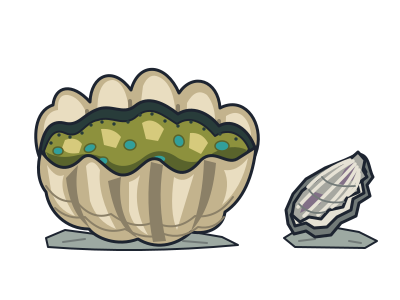
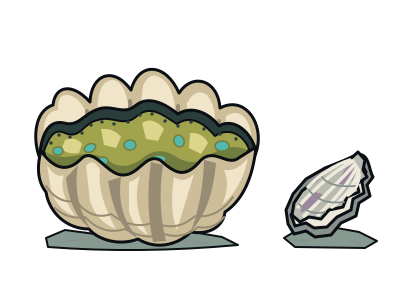
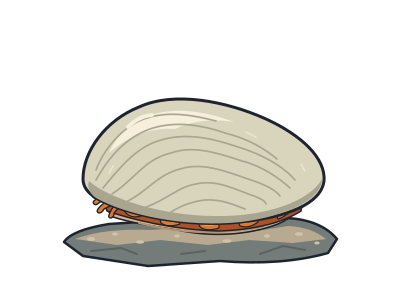
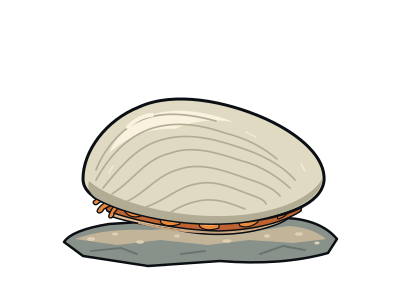
- Clams and oystersMolluscs with two hinged shells and no head.
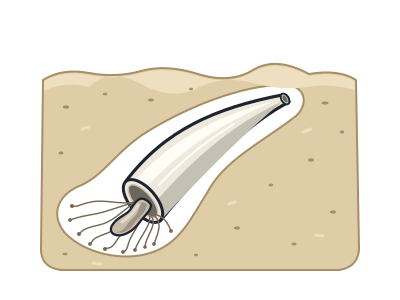
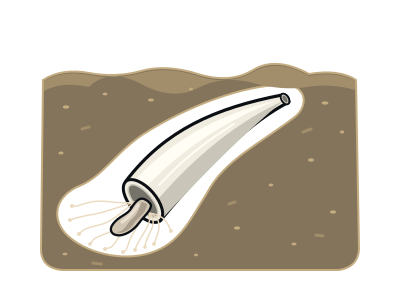
- Tusk shellA mollusc in a tiny elephant-tusk shell that probes sand with sticky threads.
- NeopilinaKnown only from 375-million-year-old fossils until found alive in the deep sea in 1952.
- OrthocerasA squid relative in a straight, pointed shell, sold everywhere as polished fossils.
- Gumboot chitonThe largest chiton, a reddish leathery slab as long as a shoe that hides its shell plates inside.