A group of living things
Hummingbirds
Trochilidae
Over 360 kinds of tiny nectar-drinkers, all found only in the Americas.
This branch is shown at about 22 million years ago; its age is a rough estimate.
You and hummingbirds meet in the Amniotes branch, shown at about 320 million years ago (on 4 December, in a calendar from life's shared ancestor to today).
AmniotesMammals and their ancestorsMammalsLive-bearing mammalsPlacental mammalsPrimates, rodents and rabbitsPrimatesApesGreat apesHumans and chimpanzeesHumanReptiles and birdsTurtles, crocodiles and birdsCrocodiles and dinosaursPterosaurs and dinosaursDinosaursLizard-hipped dinosaursTheropodsStiff-tailed theropodsFeathered theropodsRaptors and birdsBirdsAll other birdsNeoavesNightjars, swifts and hummingbirdsHummingbirds
Over 360 kinds of tiny nectar-drinkers, all found only in the Americas.
The full page for Hummingbirds is still being written and drawn.
Inside hummingbirds
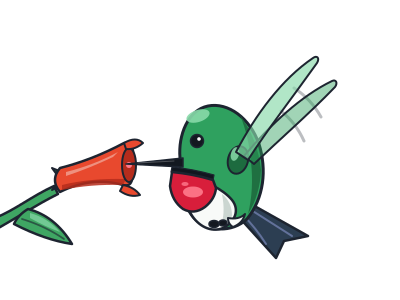
- Ruby-throated hummingbirdBeats its wings about 50 times a second and can fly backwards.
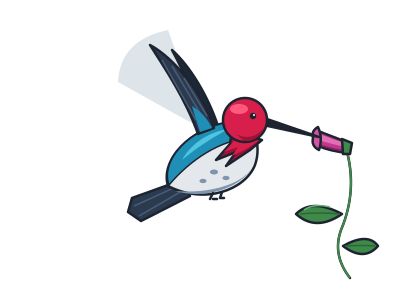
- Bee hummingbirdThe smallest bird alive, about 5 cm long and weighing under 2 grams, less than a small coin.
- Sword-billed hummingbirdIts beak is longer than its body, made to reach nectar in long, trumpet-shaped flowers.
Next to it on the tree
- European nightjarA dusk-flying, bark-coloured bird whose churring song sounds like a distant motorbike.
- OilbirdA fruit-eating bird that lives in caves and finds its way in the dark with echoing clicks.
- Tawny frogmouthAn Australian night bird with a huge froggy mouth that poses as a broken branch by day.
- Common swiftCan stay in the air for ten months without landing, eating and even sleeping on the wing.