An extinct species
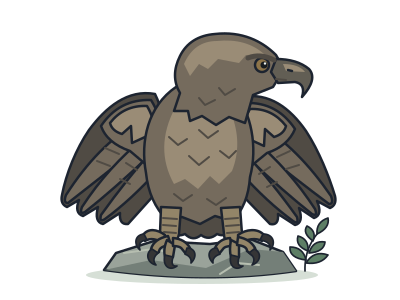
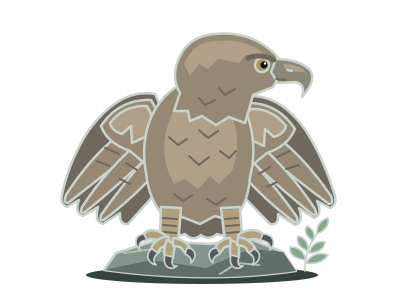
Haast's eagle †
Hieraaetus moorei
The giant eagle with surprisingly small relatives
Lived about 1–0.001 million years ago.
You and the haast's eagle meet in the Amniotes branch, shown at about 320 million years ago (on 4 December, in a calendar from life's shared ancestor to today).
Haast’s eagle was the largest eagle known to science, and it hunted New Zealand’s moa. It survived until about 600 years ago. Surprisingly, its close living relatives included Australia’s little eagle and the Eurasian booted eagle. Both were much smaller than this giant. DNA evidence suggested that it evolved from a much smaller Australian ancestor.
Near-complete fossil skeletons showed a large head, strong legs and enormous feet. Its wings were relatively short for its heavy body. Researchers thought this wing shape suited powerful flight through forests and scrubland, rather than long periods of soaring. They inferred that flight style from its bones.
This eagle was the top predator in its New Zealand home. It died out around the time moa disappeared, bringing the story of this unusually large member of the eagle family to an end.
A cave full of clues
Honeycomb Hill caves yielded at least ten fossil skeletons.
Found while looking for moa
Frederick Fuller recognised its bones during a search for moa remains at Glenmark swamp in 1871.
People encountered it
Eagle bones, including pieces made into tools, were found in early Māori rubbish heaps.
Next to it on the tree
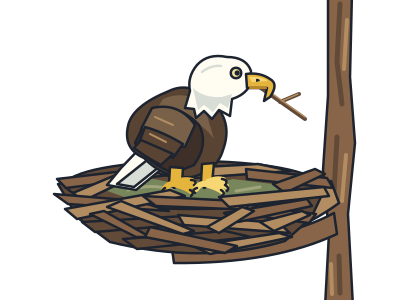
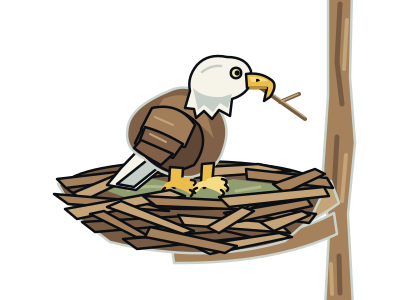
- Bald eagleBuilds the largest tree nests of any animal, adding to them year after year.
- Golden eagleHunts hares and foxes across mountains and has been flown by falconers for thousands of years.
- Harpy eagleA rainforest eagle with talons as long as a bear's claws that snatches sloths from treetops.
- Red-tailed hawkIts harsh scream is the 'eagle' cry heard in countless films.
- Griffon vultureSoars in groups over mountains, spotting food from kilometres away and cleaning up the land.