A species
Fire coral
Millepora alcicornis
A reef-builder that is really a stinging relative of the Portuguese man o' war
You and the fire coral meet in the Animals branch, shown at about 700 million years ago (on 1 November, in a calendar from life's shared ancestor to today).
Fire coral looks like a coral and helps build reefs, but it is not a true coral. It belongs to the hydrozoans, the same group as the freshwater hydra and the Portuguese man o' war. Diving medicine experts say it is more closely related to the man o' war than to the stony corals it grows among.
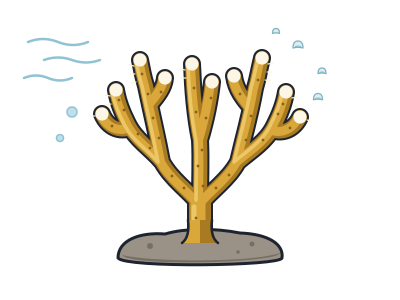
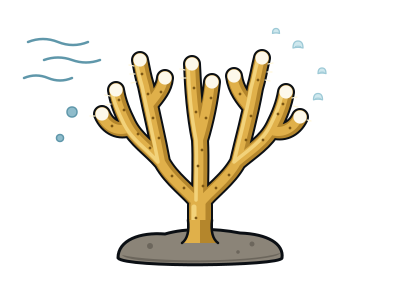
Like true corals, it builds a hard limestone skeleton. Its branches are round, about as thick as a finger, and mostly spread out flat like a fan or a set of antlers. Up close, the surface is covered in tiny pinholes instead of the little cups you see on true corals. Microscopic polyps hide in these holes. Some digest food, while hair-like ones carry stinging cells that catch plankton.
Those stinging cells explain the name. Touching fire coral causes a burning feeling that can last for hours, and a rash may follow that lasts for days. It is painful but not deadly. Rinsing the skin with household vinegar is advised, because it stops any stinging cells left on the skin from firing.
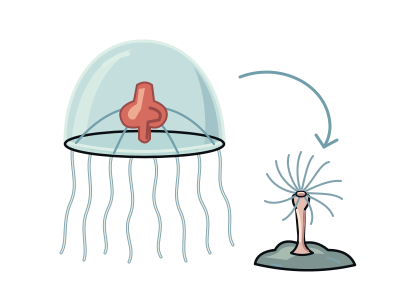
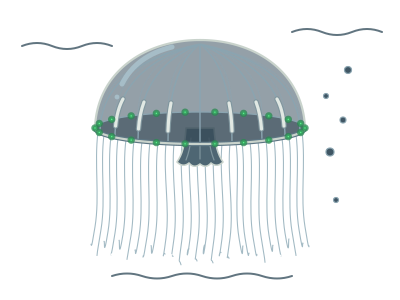
To breed, it releases tiny jellyfish-like swimmers from pores in its skeleton. They let out eggs or sperm, and the young drift away before settling to start new colonies.
Sea fan smotherer
When it grows near a sea fan, fire coral sends branches sideways that wrap around the fan and smother it. The fire coral ends up taking on the sea fan's shape.
Solar-powered
Tiny algae living inside its tissue make food from sunlight and supply about three-quarters of its energy. That is why it needs clear, sunlit water.
Shaped by the waves
In calm water it grows upright branches. On reefs pounded by waves, it grows as plates or blades instead.
Next to it on the tree
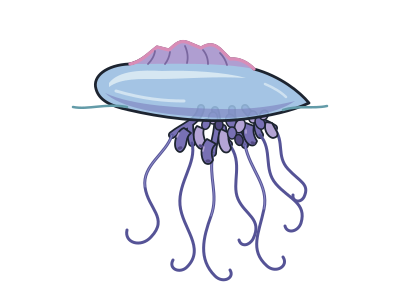
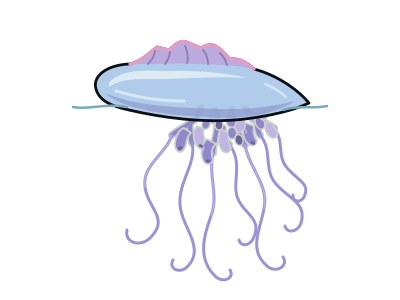
- Portuguese man o' warNot one jellyfish but a floating colony of specialised individuals working as one.
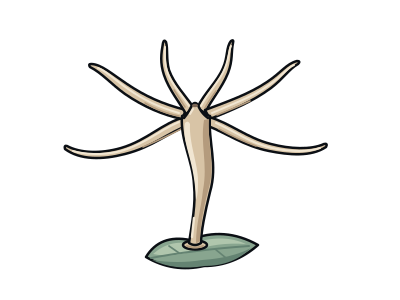
- Freshwater hydraA tiny freshwater polyp that can regrow its whole body from a small piece and barely seems to age.

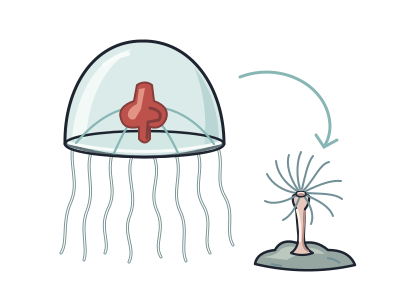
- Immortal jellyfishWhen injured or old, it can turn back into a baby polyp and start life again.
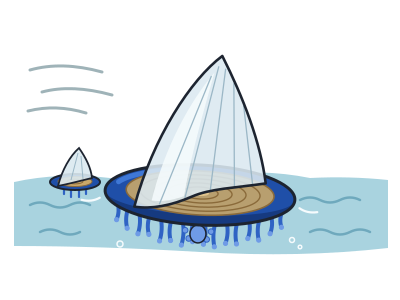
- By-the-wind sailorA blue raft with a stiff sail that drifts wherever the wind blows, sometimes washing ashore in millions.
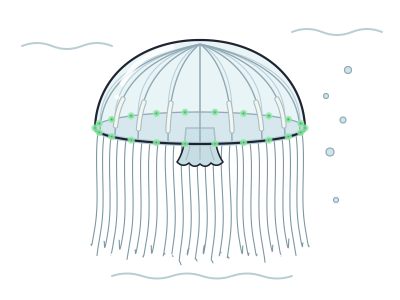
- Crystal jellyA clear jelly whose glowing green protein became a Nobel-winning tool for lighting up cells.
- Giant siphonophoreA see-through string of linked individuals that can stretch as long as a blue whale.