A species
Andean condor
Vultur gryphus
Three-metre wings, hours without a flap.
You and the andean condor meet in the Amniotes branch, shown at about 320 million years ago (on 4 December, in a calendar from life's shared ancestor to today).
The Andean condor soars over the Andes on wings about three metres across, barely needing to flap. It is a vulture, not an oversized eagle. Yet its branch of the bird family tree is closer to eagles than to falcons. Falcons belong on another branch, alongside parrots and songbirds.
The secret is rising warm air. A condor uses it to gain height, then glides towards another rising current. In a 2020 study covering more than 216 hours of flight, tracked condors flapped for only about 1% of their time airborne. One bird flew for more than five hours without flapping, travelling about 170 kilometres.
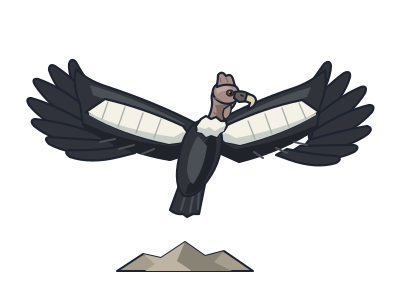
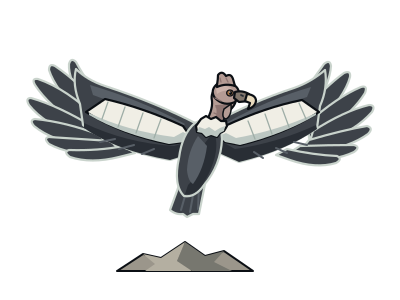
Its outer wing feathers spread like fingers, helping it make small adjustments in flight. Adults have mostly black feathers, a fluffy white neck collar and broad white patches on their upper wings.
Getting off the ground
Most of the flapping recorded in the flight study happened during take-off.
A male-only head comb
Males have a fleshy comb on their heads. Females do not.
Shared egg care
A female lays one egg, usually on a sheltered cliff ledge. Both parents take turns keeping it warm.
Next to it on the tree
- ArgentavisOne of the largest flying birds ever, with a wingspan of about six metres.
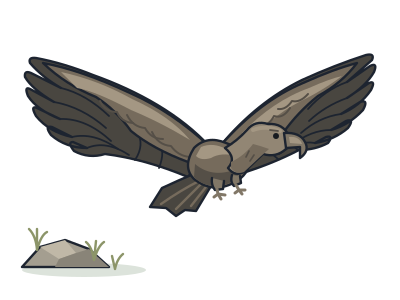
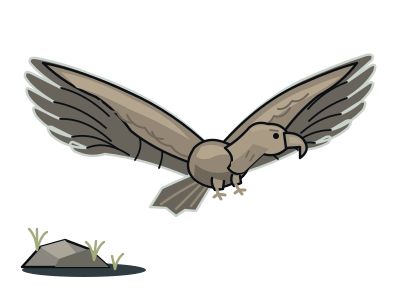
- Turkey vultureFinds dead animals by smell, a rare sense among birds, even under a forest canopy.
- SecretarybirdA long-legged African eagle that hunts on foot, stamping on snakes with lightning kicks.
- OspreyDives feet-first for fish and can turn one toe backwards to grip slippery prey.
- Hawks and eaglesThe biggest family of daytime raptors, including kites, hawks, eagles and Old World vultures.