
A species
Umami bacterium
Corynebacterium glutamicum
The tiny soil microbe that brews the world's savoury MSG flavouring
You and the umami bacterium meet in the All life branch, shown at about 4.2 billion years ago (on 1 January, in a calendar from life's shared ancestor to today).
In about 1956, two scientists in Japan were searching for a microbe that could make glutamate. Glutamate is the substance behind the savoury taste called umami. Under the right conditions, this tiny bacterium turned out to pour it out. Today it brews millions of tonnes of the flavouring MSG every year. It works in giant steel tanks and is fed sugar from cane, beet or starch. The US food safety agency compares the process to making yoghurt or vinegar.
The glutamate in MSG is exactly the same chemical as the glutamate your body gets from digesting the protein in food.
Its family tree holds surprises. It sits on the 'soil antibiotic-makers' branch, but it is famous for making amino acids, not antibiotics. One of its relatives is the germ that causes tuberculosis. Like that germ, this bacterium wears a waxy, water-repellent coat. Its own genus even includes the germ that causes diphtheria. Yet this bacterium is harmless to people.
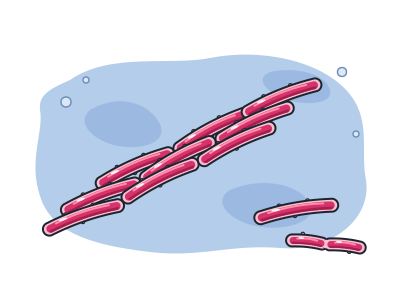
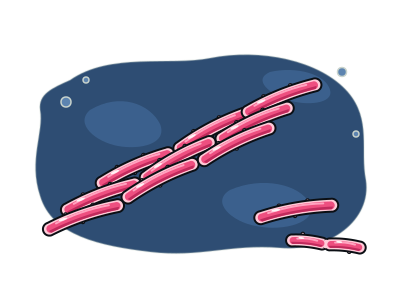
Under a microscope it is a short rod, often a little swollen at one or both ends. It cannot swim. When a cell divides, the two halves snap apart and are left sitting in a V shape.
Umami came first
In 1908 a Japanese scientist called Kikunae Ikeda pulled glutamate out of kombu seaweed and named its taste 'umami'. MSG went on sale in 1909, long before anyone used bacteria to make it.
A club-shaped name
The first part of its scientific name comes from the Greek word 'koryne', meaning club. That is because the cells can look club-shaped at some stages of their life.
Microbe of the Year
German microbiologists named it 'Microbe of the Year' for 2025. Scientists have changed some strains so they can turn waste, such as orange peel and leftovers from making biodiesel, into amino acids.
Next to it on the tree
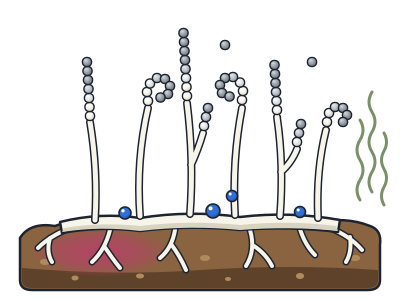
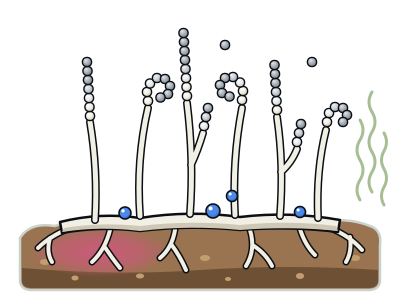
- StreptomycesGrows like a tiny fungus, smells of fresh earth, and is the family behind streptomycin and many other drugs.
- Tuberculosis bacteriumA slow-growing germ with a waxy coat that has shaped human history; today TB is curable with medicine.
- Baby gut bacteriumAmong the first gut settlers in breastfed babies; it feeds on special sugars in milk.


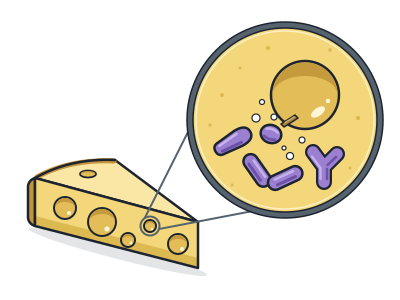
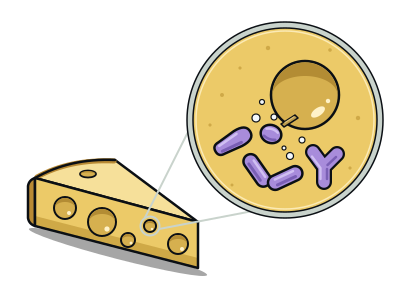
- Swiss cheese bacteriumPuffs out carbon dioxide bubbles that become the round holes and nutty taste of Emmental cheese.