A group of living things
Lemurs and lorises
Strepsirrhini
Wet noses, surprising relatives.
This branch is shown at about 55 million years ago; its age is a rough estimate.
You and lemurs and lorises meet in the Primates branch, shown at about 70 million years ago (on 25 December, in a calendar from life's shared ancestor to today).
Compare with something elseMadagascar’s lemurs and Asia’s slow lorises are wet-nosed primates: relatives of monkeys and apes, but not monkeys themselves. Their moist nose pads resemble a dog’s nose. Tarsiers, monkeys and apes—including us—belong to the other main branch of this living family.
Smell is especially important in communication among these animals. Most also have lower teeth that stick forwards to form a grooming comb. The aye-aye is an exception: it is a lemur, but it lacks this comb.
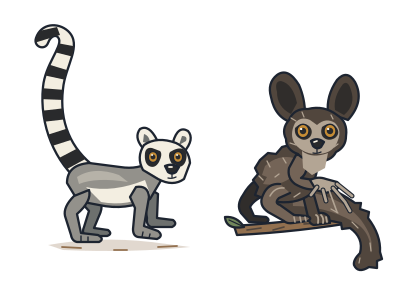
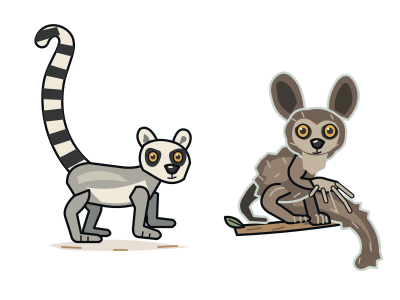
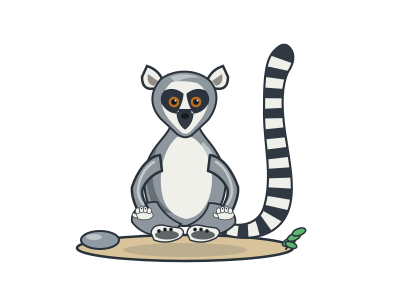
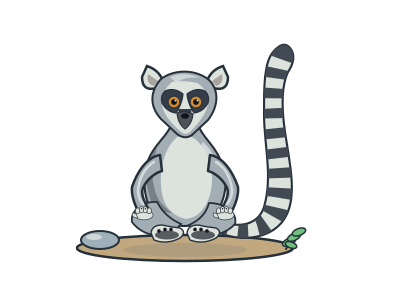
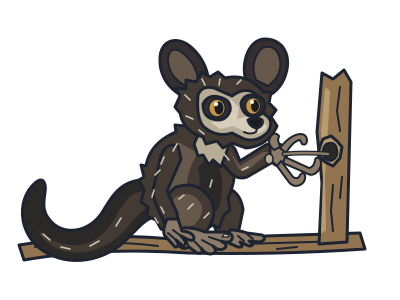
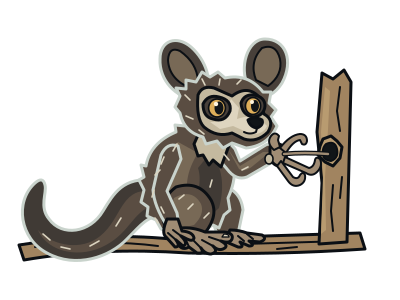
A ring-tailed lemur and an aye-aye show how different these relatives can look. One has a long tail striped black and white. The other has shaggy dark fur, huge ears and a very thin middle finger. An aye-aye taps wood with that finger and listens for hollow spaces. It then gnaws an opening and hooks out young insects hidden inside. That unusual hand is a food-finding tool.
Females lead
Ring-tailed lemurs live in groups that can contain about 30 animals. Females dominate males.
A smelly contest
Male ring-tailed lemurs rub scent onto their tails and wave them towards rivals in ‘stink fights’.
A daytime bedroom
Aye-ayes usually search for food alone at night and sleep in tree nests during the day.
Inside lemurs and lorises
- Ring-tailed lemurSunbathes in a yoga pose and holds 'stink fights' with its tail.
- Aye-ayeTaps on wood and fishes out grubs with a long, skinny middle finger.
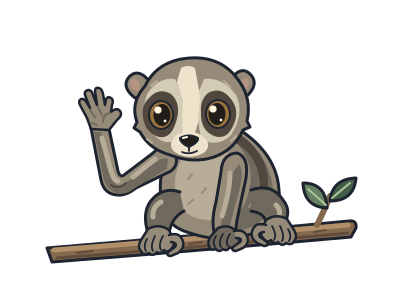
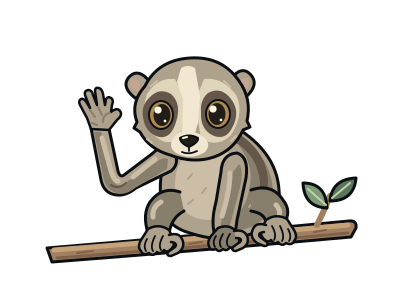
- Sunda slow lorisA slow loris with a venomous bite, one of several venomous species in its primate group.
- Verreaux’s sifakaA lemur that crosses open ground by bouncing sideways on its back legs, as if dancing.
- IndriThe largest living lemur, whose families sing eerie duets heard kilometres away.
- Grey mouse lemurA primate small enough to sit in your palm, with huge eyes for night foraging.
- Northern lesser galagoA "bushbaby" that leaps several metres between branches and folds its ears when resting.
Next to it on the tree
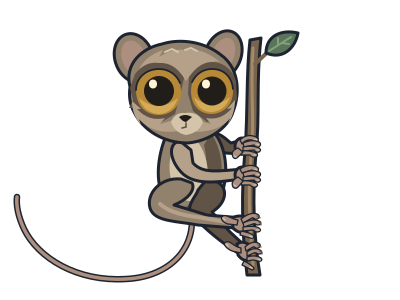
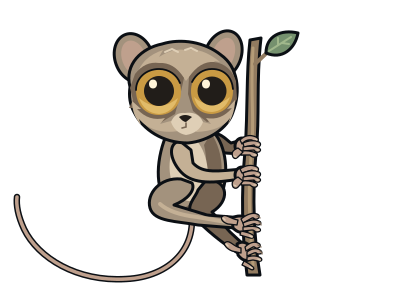
- Philippine tarsierEach eye is as big as its whole brain, and it can turn its head almost all the way round.
- New World monkeysTheir ancestors probably reached South America from Africa on floating vegetation.
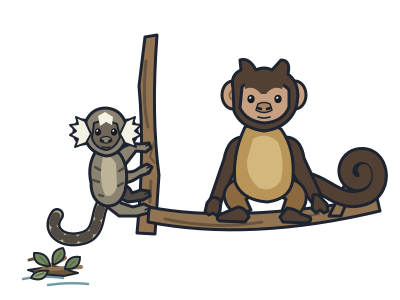
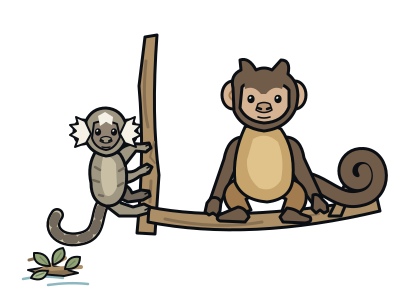
- Old World monkeysBaboons and macaques of Africa and Asia, closer to apes than New World monkeys are.
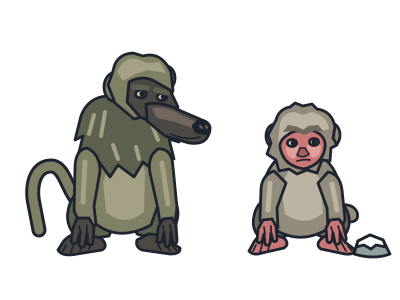
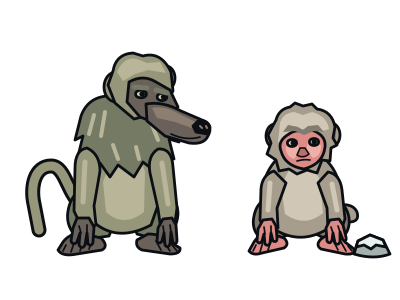
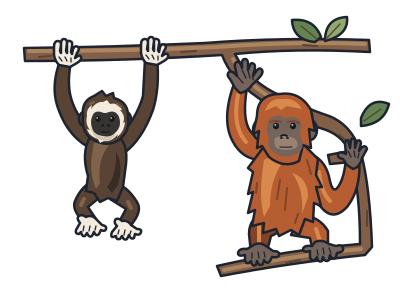
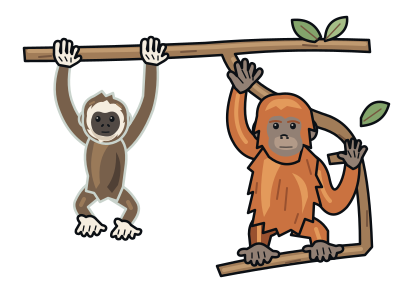
- ApesTailless primates with flexible shoulders made for swinging.