A species
Philippine tarsier
Carlito syrichta
Brain-sized eyes and a remarkable backward glance
You and the philippine tarsier meet in the Primates branch, shown at about 70 million years ago (on 25 December, in a calendar from life's shared ancestor to today).
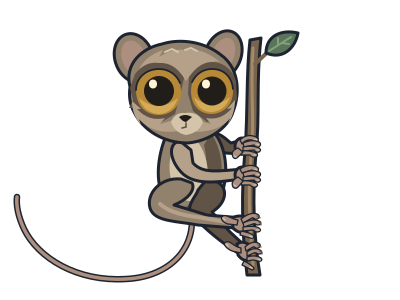
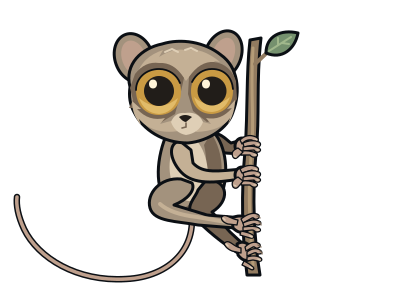
Compare with something elseEach eye of a Philippine tarsier is about as big as its whole brain. It can turn its head to look almost directly behind itself, though it cannot spin its head round continuously. These extraordinary features belong to a tiny animal, small enough to fit in an adult’s palm.
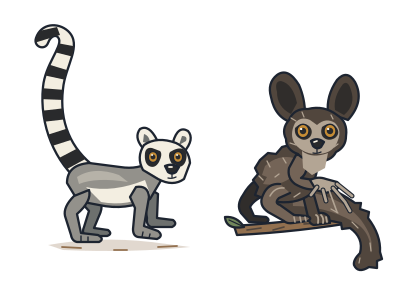
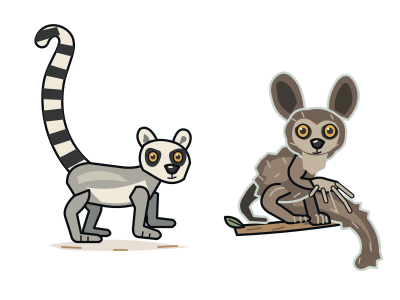
Despite its unusual looks, this is one of our primate relatives. Tarsiers form their own branch, rather than being tiny monkeys or lemurs. Research links them more closely to monkeys and apes, including humans, than to lemurs and lorises.
The Philippine tarsier lives naturally only in the Philippines. Its home includes forests, regrowing woodland and thick undergrowth—not just untouched rainforest. By day it rests among sheltered vegetation. At night it hunts, using powerful back legs to leap between branches and slender tree trunks.
Named for its ankles
The name tarsier refers to its unusually long ankle bones, which help power its leaps.
No fruit on the menu
Unlike most primates, tarsiers eat only animal prey, not fruit or leaves.
Wild animals, not pets
Habitat loss and capture for the pet trade threaten tarsiers. Their specialised needs make them poor pets.
Next to it on the tree
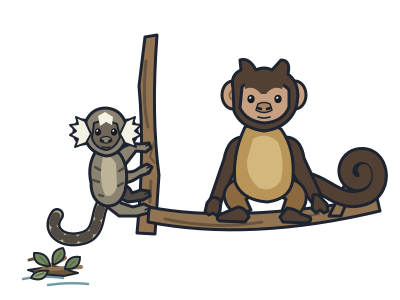
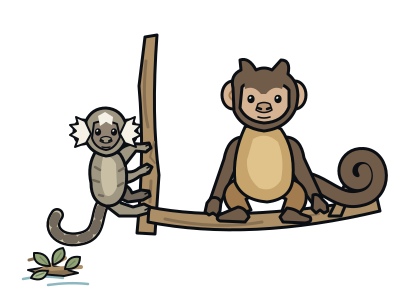
- New World monkeysTheir ancestors probably reached South America from Africa on floating vegetation.
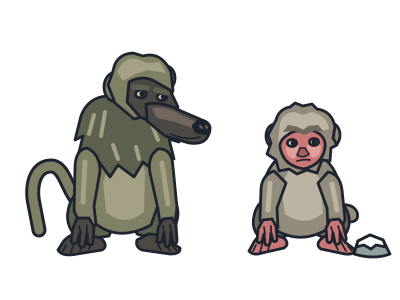
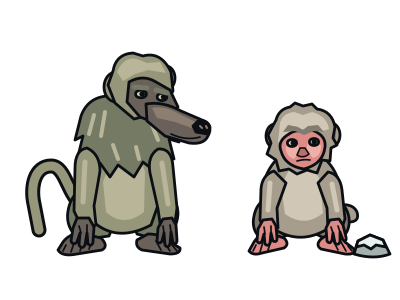
- Old World monkeysBaboons and macaques of Africa and Asia, closer to apes than New World monkeys are.
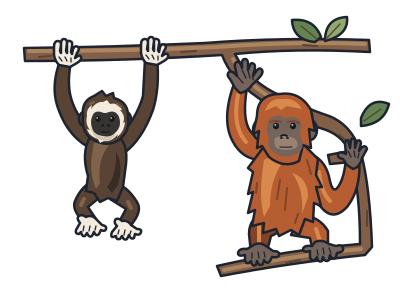
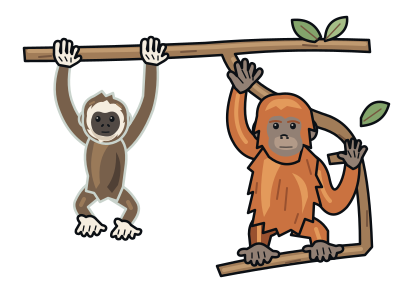
- ApesTailless primates with flexible shoulders made for swinging.
- Lemurs and lorisesWet-nosed primates: Madagascar's lemurs and the slow lorises of Asia.