A group of living things
Old World monkeys
Cercopithecidae
Monkeys with a closer family connection to apes
This branch is shown at about 17 million years ago; its age is a rough estimate.
You and old world monkeys meet in the Primates branch, shown at about 70 million years ago (on 25 December, in a calendar from life's shared ancestor to today).
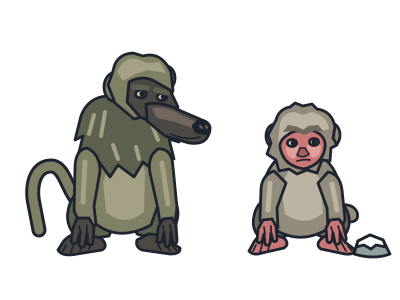
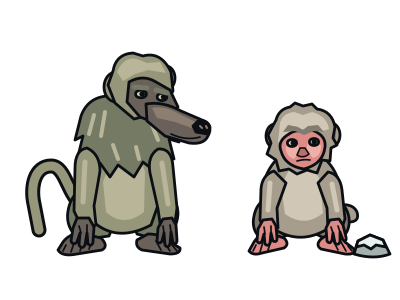
Compare with something elseBaboons and macaques belong to a monkey family more closely related to apes, including humans, than to New World monkeys. The word “monkey” can hide that surprising connection. Mandrills, colobus monkeys and langurs belong to this family too.
Living members range across much of Africa and Asia, with a small population on Gibraltar. Their homes include tropical forests, grasslands and cold mountain forests. Japan’s snow monkeys show that a monkey’s home need not be a warm jungle. Old World monkeys are generally active by day, and most live in social groups.
Their tails cannot grip branches as some New World monkeys’ tails can. Food reveals another important difference within the family. Baboons and macaques belong to a branch with food-storage pockets inside their cheeks and a mixed diet. Colobus monkeys and langurs belong to the leaf-eating branch. They lack these cheek pockets, but have more complex stomachs that help them process their leafy meals.
Awake through winter
Japanese macaques stay active rather than taking a long winter sleep. Their thick fur helps them through cold winters.
More than a clean coat
Japanese macaques clean one another’s fur to remove tiny pests and strengthen relationships, often between mothers and daughters.
A very short tail
Japanese macaques have short, stump-like tails and pinkish-red faces and rumps.
Inside old world monkeys
- Olive baboonOlive baboons live in big troops where grooming, friendships and family ties shape daily life.
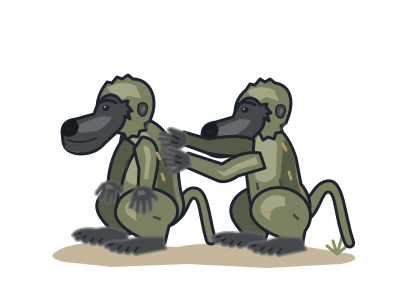
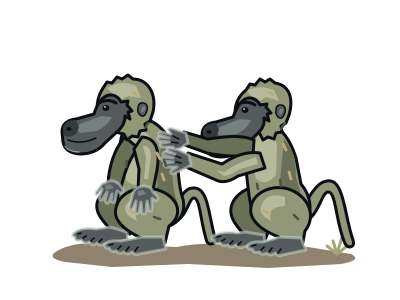
- Japanese macaqueThe "snow monkey" that bathes in hot springs through winter.
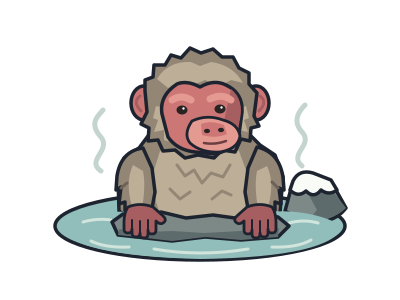
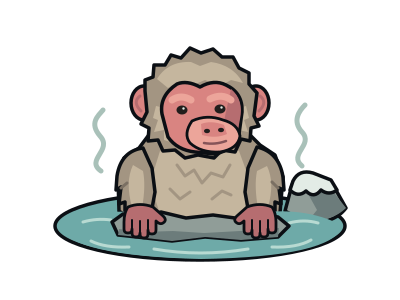
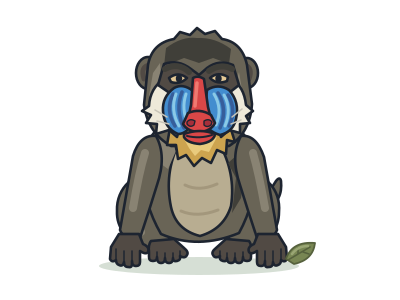
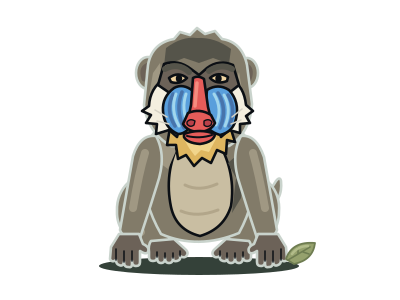
- MandrillThe most colourful mammal, with a red-and-blue face.
- Proboscis monkeyMales grow a huge droopy nose that makes their honking calls louder.
- GeladaA grass-eating monkey of the Ethiopian highlands with a bright red patch on its chest.
- Rhesus macaqueA monkey that thrives in cities and gave its name to the Rh blood-group factor.
- Golden snub-nosed monkeyA golden-furred monkey with a blue face that huddles through snowy Chinese mountain winters.
Next to it on the tree
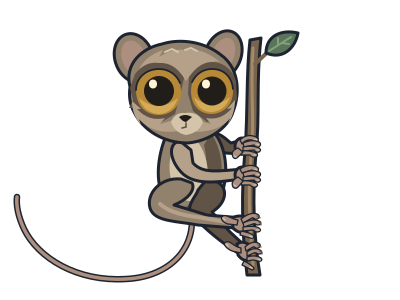
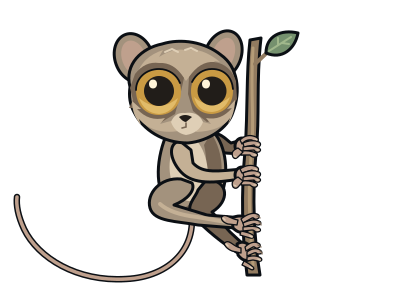
- Philippine tarsierEach eye is as big as its whole brain, and it can turn its head almost all the way round.
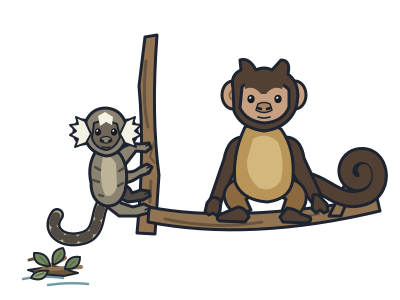
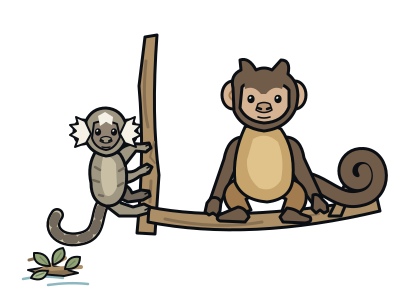
- New World monkeysTheir ancestors probably reached South America from Africa on floating vegetation.
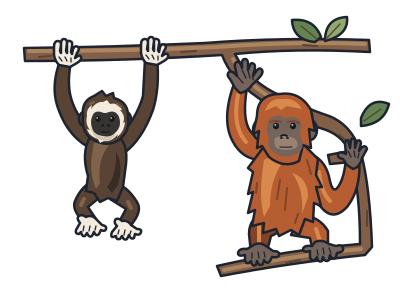
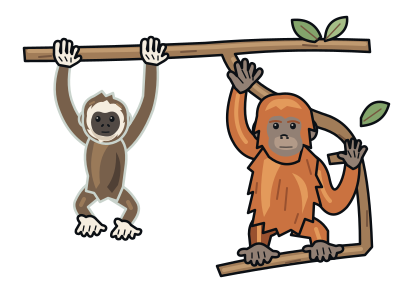
- ApesTailless primates with flexible shoulders made for swinging.
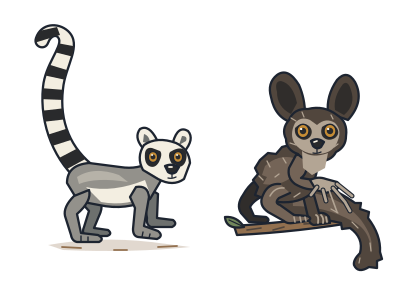
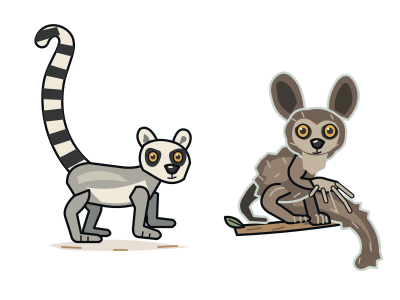
- Lemurs and lorisesWet-nosed primates: Madagascar's lemurs and the slow lorises of Asia.