A species
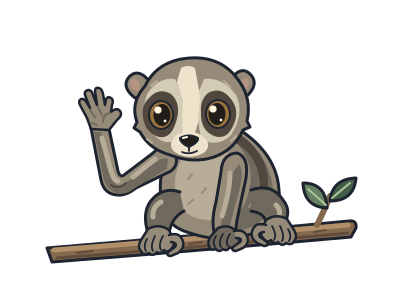
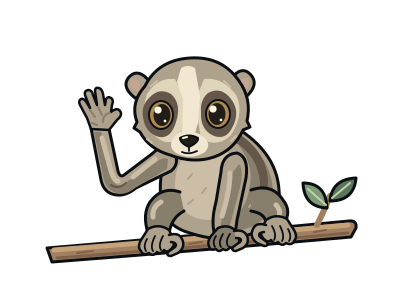
Sunda slow loris
Nycticebus coucang
A lemur relative with a venomous bite
You and the sunda slow loris meet in the Primates branch, shown at about 70 million years ago (on 25 December, in a calendar from life's shared ancestor to today).
Compare with something elseThe Sunda slow loris belongs to the only known venomous group of primates: slow lorises. It is one of several venomous species, not the only one. Glands inside its elbows release a liquid. It licks these glands, mixing the liquid with saliva to make venom. This is delivered through a bite, not a sting.
Like us, it is a primate. But it belongs to the main branch of the primate family that includes lemurs. The ring-tailed lemur and aye-aye shown beside it are both lemurs. They are its relatives, not its ancestors.
A slow loris lifting its arms when handled is taking a defensive pose. It is not asking to be tickled, despite what pet videos may suggest. Those raised arms put its mouth within reach of its venom-making glands.
After-dark life
It is active at night and lives mainly in trees.
A varied menu
Its food includes nectar, tree sap, gum, fruit and insects.
At risk
The species is globally Endangered. Singapore separately lists its local population as Critically Endangered.
Next to it on the tree
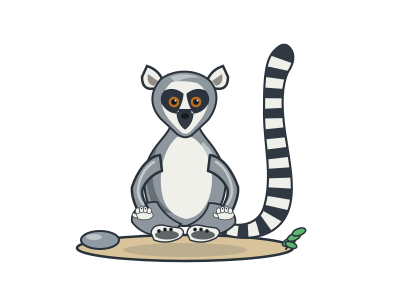
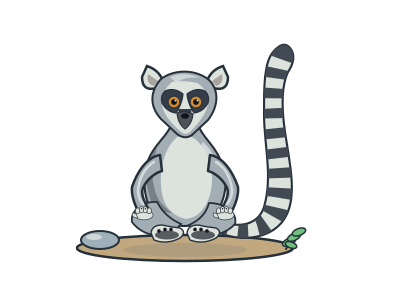
- Ring-tailed lemurSunbathes in a yoga pose and holds 'stink fights' with its tail.
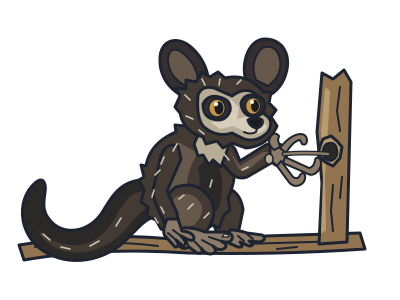
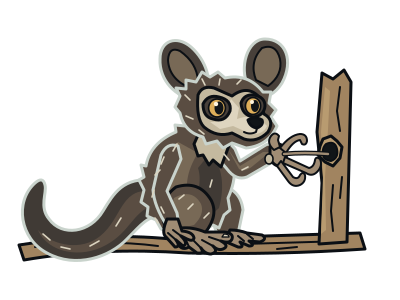
- Aye-ayeTaps on wood and fishes out grubs with a long, skinny middle finger.
- Verreaux’s sifakaA lemur that crosses open ground by bouncing sideways on its back legs, as if dancing.
- IndriThe largest living lemur, whose families sing eerie duets heard kilometres away.
- Grey mouse lemurA primate small enough to sit in your palm, with huge eyes for night foraging.
- Northern lesser galagoA "bushbaby" that leaps several metres between branches and folds its ears when resting.