A species
Spirulina
Arthrospira platensis
Tiny green spirals that people scoop from soda lakes and eat as a powder
You and the spirulina meet in the All life branch, shown at about 4.2 billion years ago (on 1 January, in a calendar from life's shared ancestor to today).
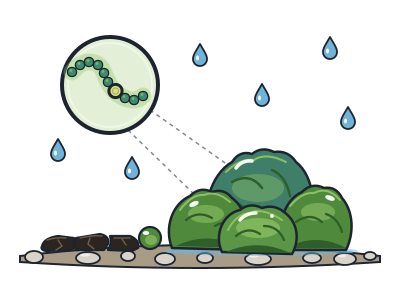
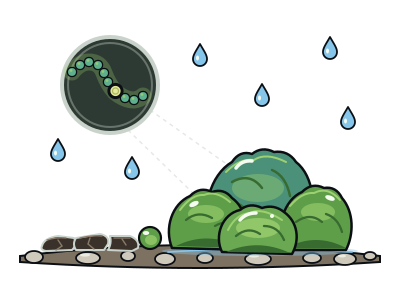
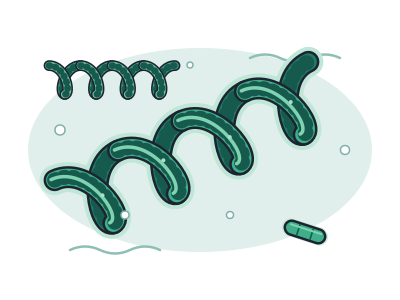
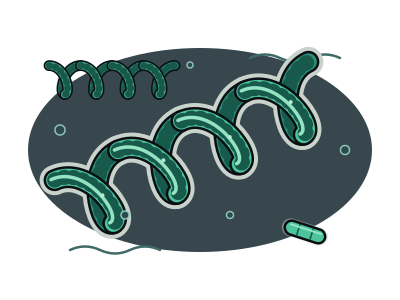
That dark green powder stirred into smoothies comes from living spirals. Each one is a chain of tiny cells twisted into a loose coil, like a stretched spring. In the wild, spirulina grows in warm soda lakes, where the water is very alkaline. Dried, it is about half to two-thirds protein.
Here's the surprise: spirulina isn't a plant, and it isn't a true alga either, even though people call it 'blue-green algae'. It's a bacterium, one of the cyanobacteria. The green parts inside plant cells that make food from sunlight began as cyanobacteria that came to live inside other cells. So every green leaf carries a reminder of spirulina's relatives.
A single thread is only about 0.2 to 0.5 millimetres long. Even the widest threads are only about a tenth as wide as a human hair. The threads float or glide slowly. To make more of themselves, they break into short pieces of two to four cells, and each piece grows into a new full-length spiral.
People have eaten spirulina for a long time. The Aztecs gathered it from a lake in Mexico. The Kanembu people near Lake Chad in Africa still dry it into cakes. Today most of it is farmed in long, shallow ponds shaped like racetracks, where paddle wheels keep the water moving.
Pink from green food
Lesser flamingos mostly eat spirulina-type cyanobacteria, which they filter from the water. Pigments in that food help turn their feathers pink. Young flamingos are grey.
Mostly for animals
More than half of all the spirulina powder made is not eaten by people at all. It goes into feed for farm animals and fish.
A natural blue
Spirulina contains a bright blue pigment. It can be taken out and used as a natural colouring in foods such as sweets, instead of artificial dyes.
Next to it on the tree
- ProchlorococcusThe smallest, most numerous photosynthetic cell on Earth; it makes a share of every breath you take.
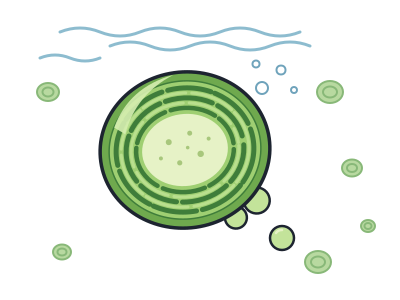
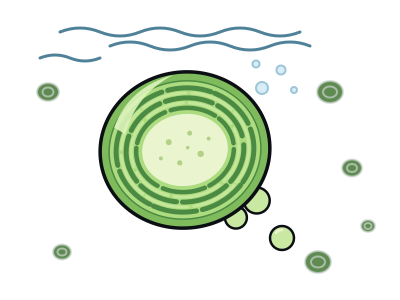
- EoentophysalisFossil cell clusters about 1.9 billion years old, among the first microbes we can confidently call cyanobacteria.
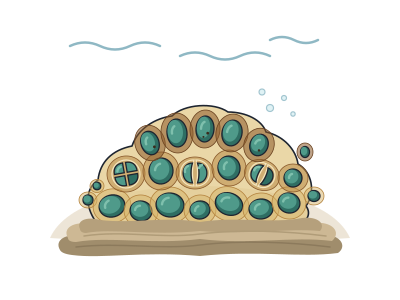
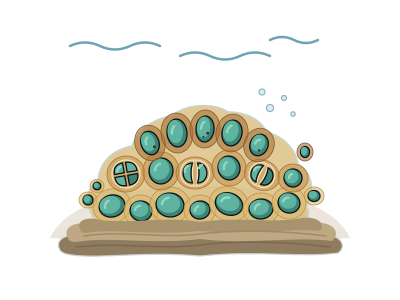
- GloeobacterThe oddball cyanobacterium with no internal membranes; its line split first from all other cyanobacteria.
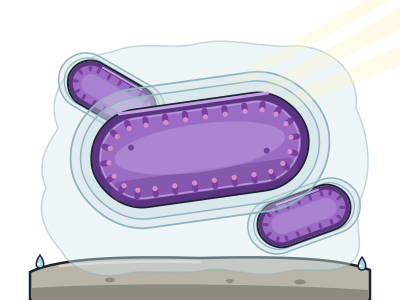
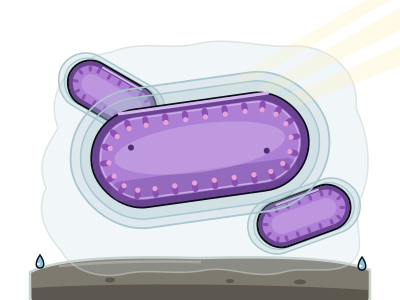
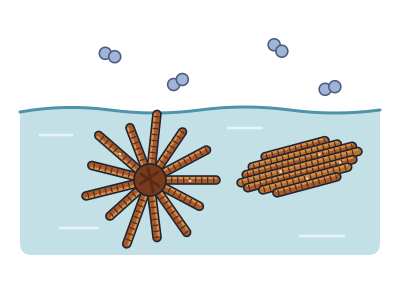
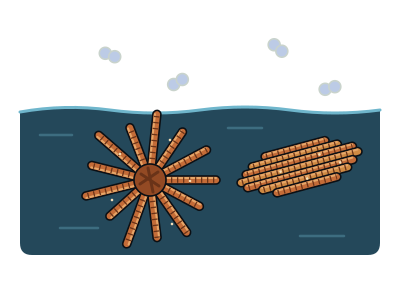
- Sea sawdustForms floating rafts big enough to see from space and fertilises the ocean with nitrogen from the air.
- Star jellyDries to a black crust, then swells into green jelly blobs after rain, ready to photosynthesise again.