A species
Prochlorococcus
Prochlorococcus marinus
The tiniest sunlight-catcher on Earth, and part of every breath you take
You and the prochlorococcus meet in the All life branch, shown at about 4.2 billion years ago (on 1 January, in a calendar from life's shared ancestor to today).
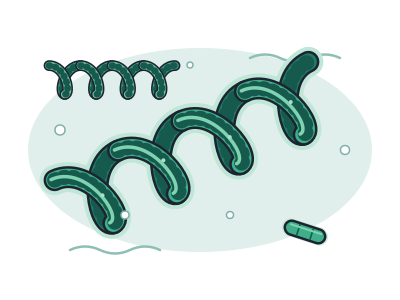
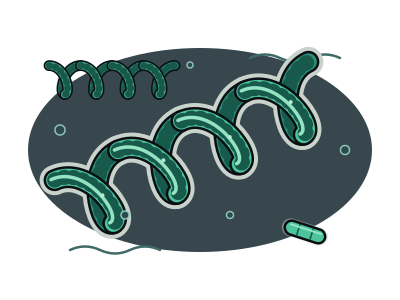
Every time you breathe in, some of that oxygen was made by a living thing far too small to see. This tiny ocean cell is the smallest and most common living thing on Earth that makes its food from sunlight. About a hundred of them lined up would only just match the width of a human hair.
It is a bacterium, not a plant or an alga, and it has no nucleus. It belongs to the cyanobacteria. That makes it a relative of the star jelly and the spirulina shown beside it on the tree, even though they look nothing alike.
It drifts in the sunlit top layer of warm open oceans, down to about 200 metres. One litre of seawater can hold up to about 100 million of these cells. Yet nobody knew it existed until the 1980s. Scientists found it with a machine mostly used in medicine. At first they thought its faint signal was just background noise.
A single cell has very few genes, as few as about 1,700. It has even lost a gene that many other microbes use to break down a harmful chemical found in sunlit seawater. Instead, it relies on neighbouring microbes to clean that chemical up.
Decoy bubbles
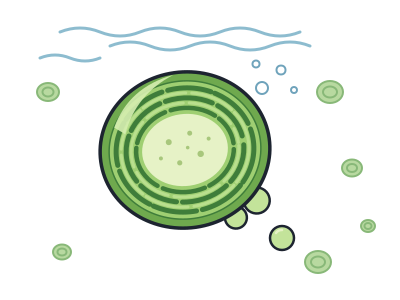
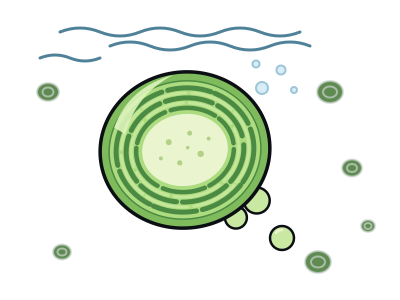
It releases tiny bubbles packed with carbon, proteins and DNA. Other bacteria can eat them. Scientists think the bubbles may also act as decoys, wasting viruses that latch onto a bubble instead of a real cell.
A powerful partnership
It often lives side by side with a close relative called Synechococcus. Together, the two are thought to do about half of all the ocean's food-making from sunlight.
A prize-winning discovery
Penny Chisholm of MIT, one of its discoverers, won the 2019 Crafoord Prize, a major science award, for finding and studying it.
Next to it on the tree
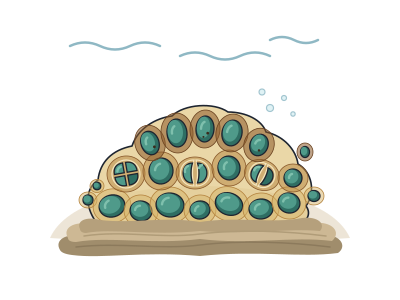
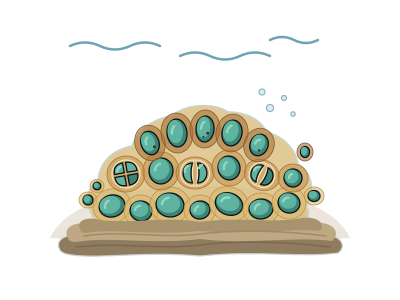
- EoentophysalisFossil cell clusters about 1.9 billion years old, among the first microbes we can confidently call cyanobacteria.
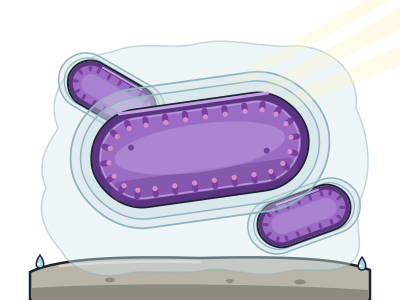
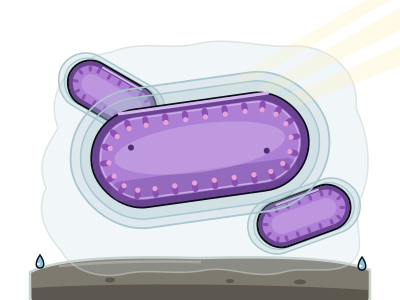
- GloeobacterThe oddball cyanobacterium with no internal membranes; its line split first from all other cyanobacteria.
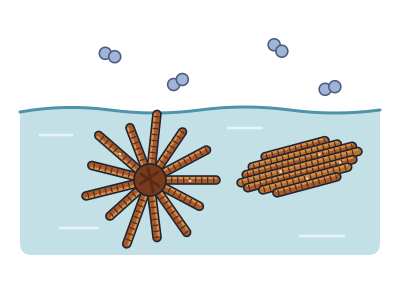
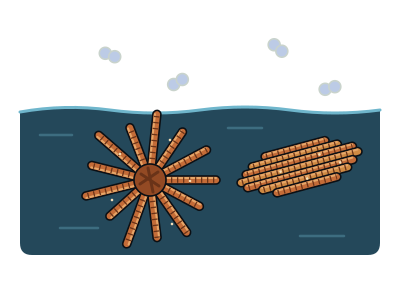
- Sea sawdustForms floating rafts big enough to see from space and fertilises the ocean with nitrogen from the air.
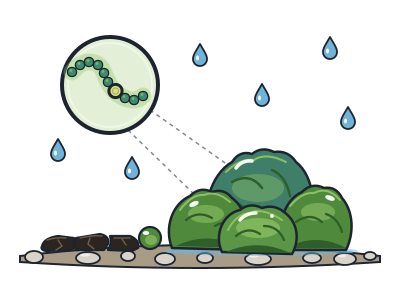
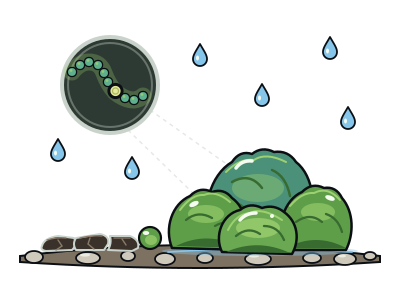
- Star jellyDries to a black crust, then swells into green jelly blobs after rain, ready to photosynthesise again.
- SpirulinaSpiral green threads harvested from soda lakes and sold as a protein-rich food powder.