
A species
Hat thrower fungus
Pilobolus crystallinus
A dung-dwelling relative of bread mould that throws its hat towards the light.
You and the hat thrower fungus meet in the Fungi and animals branch, shown at about 1.3 billion years ago (on 10 September, in a calendar from life's shared ancestor to today).
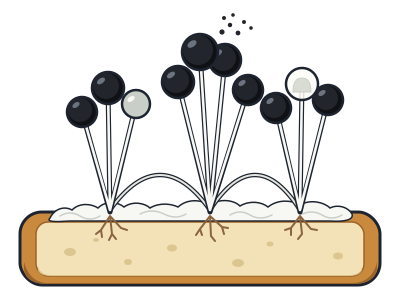
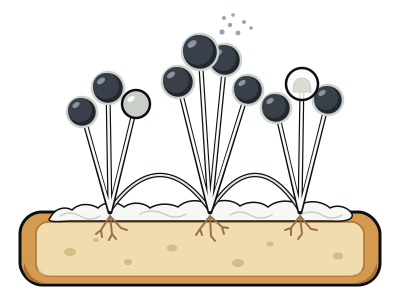
Growing on dung, this tiny fungus turns towards light and fires its black spore capsule about 2 metres—roughly the length of a bed—to reach fresh grass. It is a relative of black bread mould: both belong to the same group of pin moulds. Its flying package carries spores, tiny units that can grow into new fungi.
Each upright stalk looks like a clear little bottle wearing a flattened black hat. A liquid-filled swelling beneath the hat acts as a lens, directing light towards a light-sensitive patch below. The shaded side of the stalk grows faster, bending it towards the light. There are no eyes and no conscious aiming.
Pressure inside the swelling powers a jet of liquid that launches the whole capsule, rather than a cloud of loose spores. Sticky material helps the capsule attach to grass. The grass is a landing place, not a meal: this fungus feeds on dead material in moist dung in meadows and pastures.
Dew-like droplets
Fresh stalks carry clear droplets of liquid on their surface.
A protective package
The black capsule wall helps protect the spores from harmful radiation.
A worldwide traveller
This species is reported worldwide, including records from the Canberra region.
Next to it on the tree
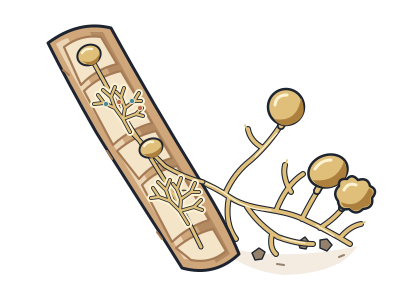
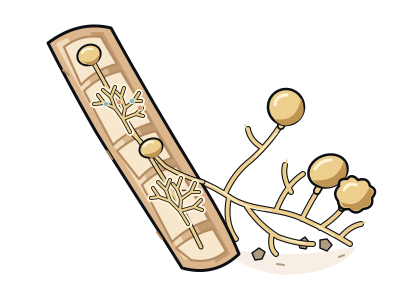
- Black bread mouldThe fuzz on old bread, topped with tiny black balls each packed with thousands of spores.
- Root-partner fungusGrows inside plant roots, trading water and minerals for sugar with most of the world's plants.
- Tempeh mouldBinds boiled soybeans into a firm white cake overnight, making tempeh, a staple food of Java.
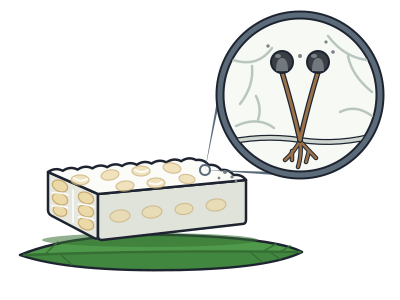
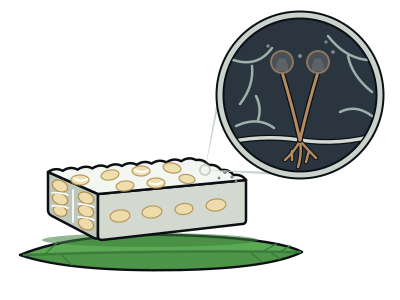
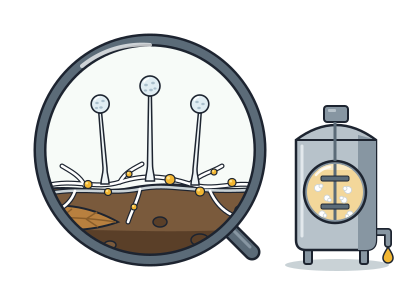
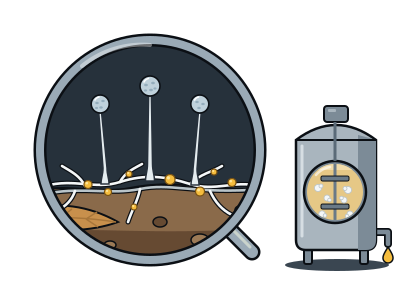
- MortierellaA soil mould grown in tanks to make an oil added to baby formula.
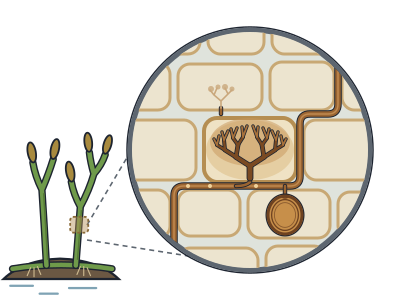
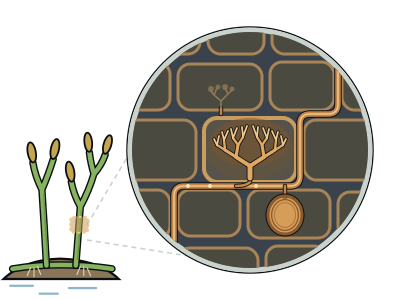
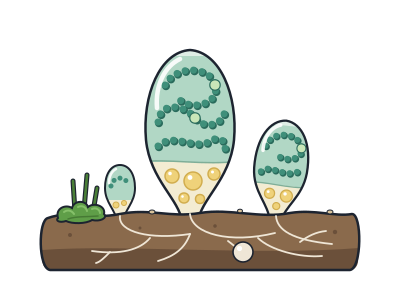
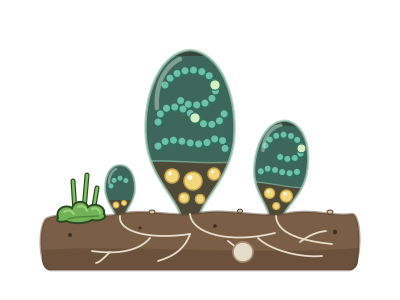
- GeosiphonA fungus that grows tiny bladders on soil and keeps living cyanobacteria inside to make its food.
- GlomitesTiny tree-shaped feeding structures inside a 407-million-year-old plant, proof that root partners are ancient.