A species
Orchid partner fungus
Tulasnella calospora
The hidden fungus that feeds tiny orchid seeds so they can sprout
You and the orchid partner fungus meet in the Fungi and animals branch, shown at about 1.3 billion years ago (on 10 September, in a calendar from life's shared ancestor to today).
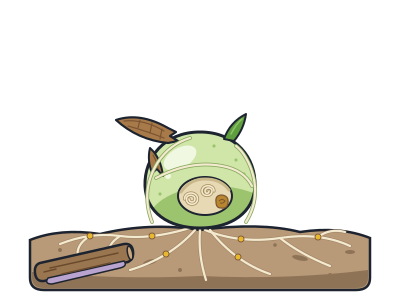
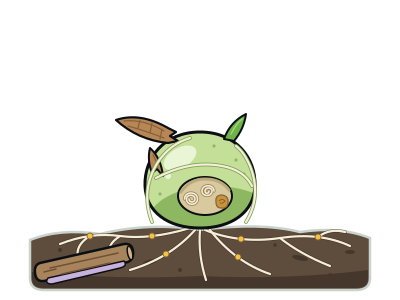
An orchid seed is about as small as a speck of dust. Most seeds carry a packed lunch, but an orchid seed has only a thin coat and a tiny, unfinished baby plant. It has no food store to help it sprout. In the wild, nearly all orchid seeds need the right fungus to feed them before they can grow. Not just any fungus will do. This one belongs to the group of fungi most often found teaming up with orchids.
The fungus's fine threads grow into the seed and give it food. The seed doesn't put out a root or leaf straight away. First it swells into a small round body called a protocorm, and the fungus moves inside it. This slow start usually takes several months to a year.
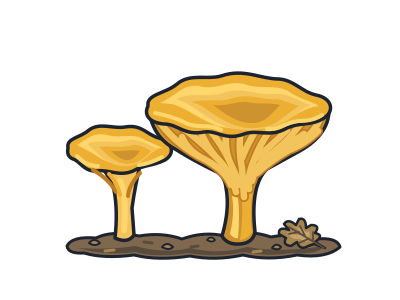
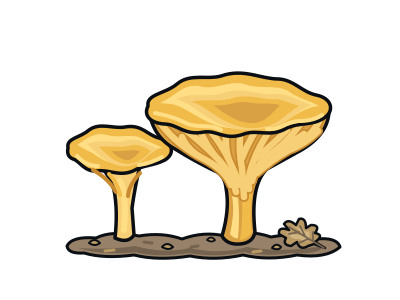
Surprisingly, this fungus is related to the golden chanterelle and the hedgehog mushroom. Yet it does not make a mushroom with a cap and stem. Its close relatives fruit as thin, waxy films under rotting wood or in leaf litter, so thin they are easy to miss. This fungus is so hard to see that scientists usually identify it by its DNA. DNA studies also showed that these very different-looking fungi belong together.
Like its close relatives, it can also live in soil and leaf litter, feeding on dead plant material. It has been reported around the world, from cool regions to the tropics.
One strain, dozens of orchids
In 1999, scientists took this fungus from the roots of a rare Florida orchid and kept it growing in the lab. Over more than 20 years, that one strain helped seeds of 39 kinds of orchid sprout, counting wild species and garden-bred varieties. They ranged from North American ground orchids to tropical orchids that grow on trees.
A head start in the lab
In one test, seeds of a North American lady's-tresses orchid were grown in the dark with this fungus. Within about 16 days the seeds had begun to sprout, and after about six weeks in the dark the seedlings were starting to grow leaves.
A helper for rare plants
For more than 30 years, people have sown orchid seeds together with their partner fungi. This helps them raise orchids and protect rare species.