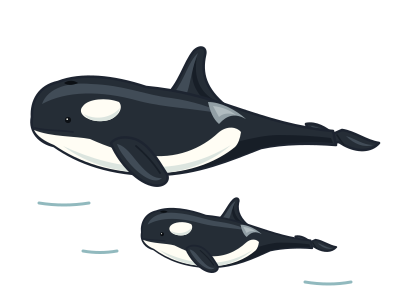
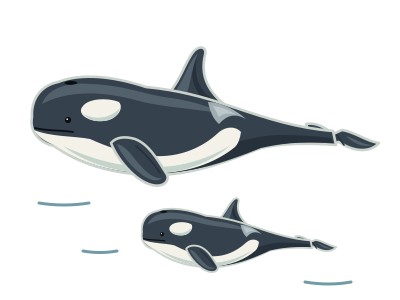
A species
Orca
Orcinus orca
The biggest dolphin, with family hunting traditions
You and the orca meet in the Placental mammals branch, shown at about 95 million years ago (on 23 December, in a calendar from life's shared ancestor to today).
The orca is the largest member of the dolphin family, and its family groups keep their own hunting traditions. Its other name, killer whale, can be confusing. But both names fit: an orca is a dolphin and a toothed whale.
Most orcas live in pods: social groups built around relatives connected through their mothers. Young orcas learn hunting skills from other group members. These lessons can pass between generations, forming a kind of animal culture. A family's way of finding food is something its young learn, not just something they are born knowing.
Different groups can have very different menus. In the Pacific Northwest, Resident orcas eat fish, mainly salmon. Bigg’s orcas mainly eat sea mammals, even though their ranges overlap with those of Residents. Food shortages, chemical pollution, fishing gear and underwater noise threaten orcas. Some populations, including the Southern Residents, are endangered.
Family accents
Pacific Northwest groups have distinctive sets of learned calls, rather like family accents, that help members stay together.
Half a brain asleep
Orcas must surface to breathe air. They can sleep with one half of their brain at a time.
Milk for calves
Orca calves drink their mother’s milk. Its high fat content helps them build the layer of fat that keeps them warm.
Next to it on the tree
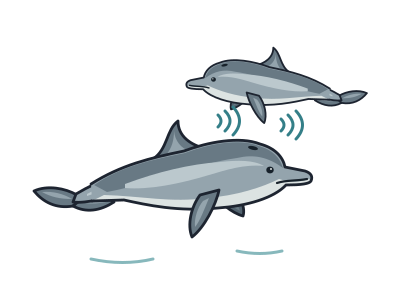
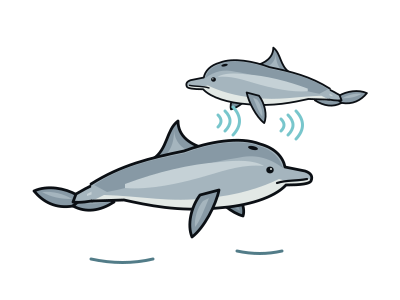
- Bottlenose dolphinUses distinctive signature whistles to address companions, rather like names; this does not establish human-like language.
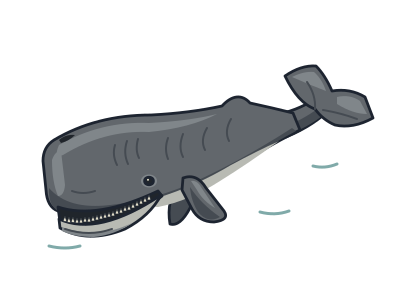
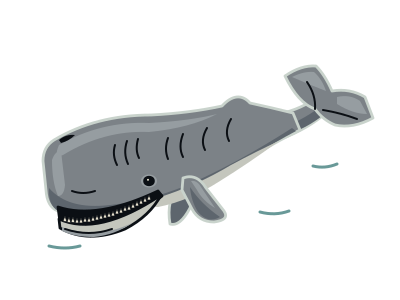
- Sperm whaleHas the largest brain of any living animal and dives over a kilometre for squid.
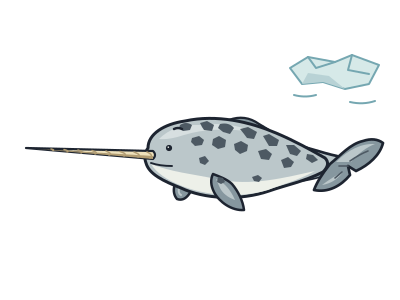
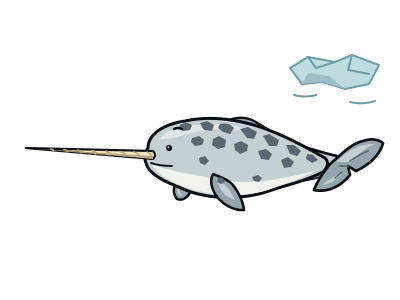
- NarwhalIts "unicorn horn" is a single tooth that can grow three metres long.
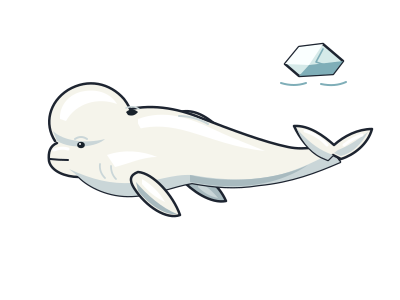
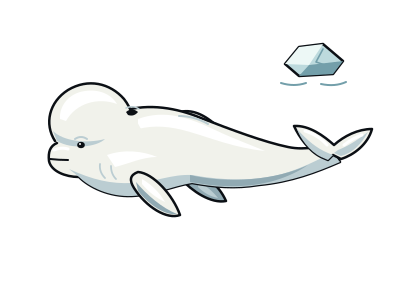
- BelugaThe white "sea canary" that can change the shape of its forehead.
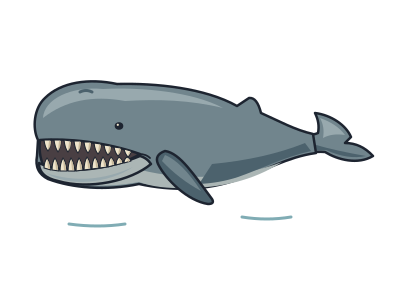
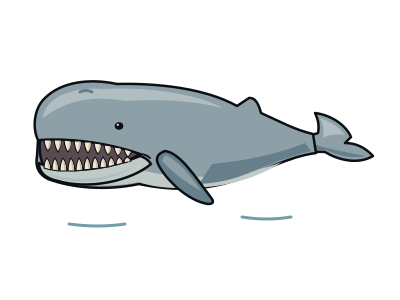
- LivyatanA sperm whale relative with teeth up to 36 centimetres long including roots; anatomy suggests it hunted other whales.
- VaquitaThe world’s smallest and rarest porpoise, with only a handful left in Mexico’s Gulf of California.
- Amazon river dolphinA pink freshwater dolphin with a flexible neck that swims among flooded forest trees.
- Cuvier’s beaked whaleHolds the mammal records for deepest and longest dives, nearly 3 km down and over 3 hours.