A species
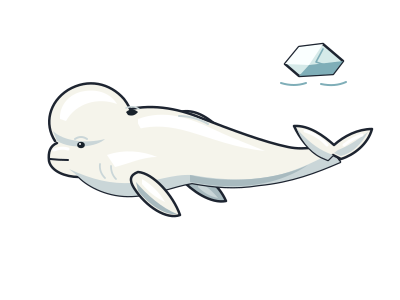
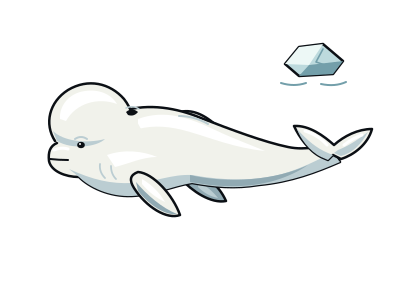
Beluga
Delphinapterus leucas
The white sea canary with a shape-changing forehead
You and the beluga meet in the Placental mammals branch, shown at about 95 million years ago (on 23 December, in a calendar from life's shared ancestor to today).
The white beluga is a “sea canary” that can change the shape of its forehead. Its nickname comes from its varied whistles, squeals, chirps and trills. The forehead bulge contains a fatty structure called a melon, which helps focus outgoing sound. A beluga can flatten this bulge or push it forwards.
Its closest living relative is the narwhal. Together, they are the only two living species in their whale family. Like other whales, belugas descended from mammals that lived on land. Their front limbs became flippers. Small hip bones remain inside their bodies, but no back legs stick out.
Belugas live in cold northern waters around Alaska, Canada, Greenland and Russia. They use open seas, coastal waters, river mouths and rivers. Their meals include fish, squid, shrimps and clams. Sound matters in their underwater world: human-made noise can interfere with the sounds they use to communicate, navigate and find food.
Reverse gear
Belugas can swim backwards.
Milk for two years
Mothers nurse their young for about two years.
Huge gatherings
Gatherings of more than 1,000 belugas have been recorded. Individuals move between groups.
Next to it on the tree
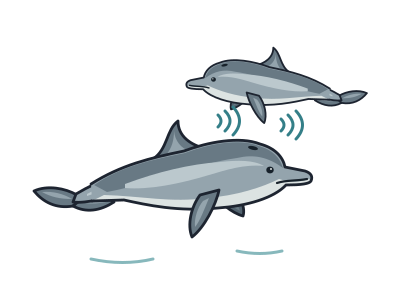
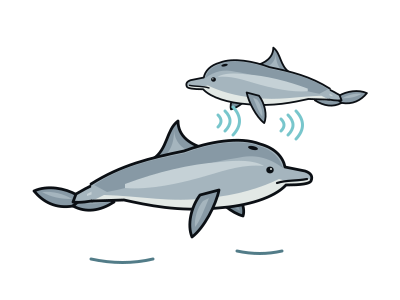
- Bottlenose dolphinUses distinctive signature whistles to address companions, rather like names; this does not establish human-like language.
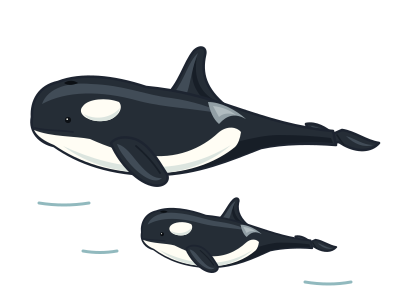
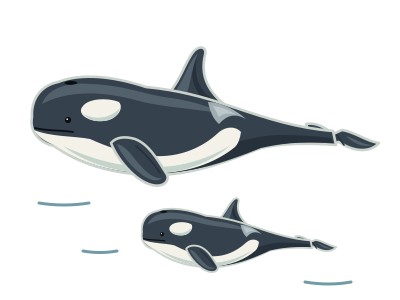
- OrcaThe largest dolphin, with family pods that keep their own hunting traditions.
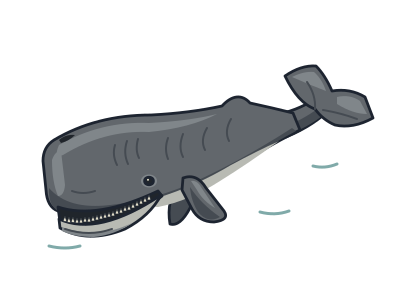
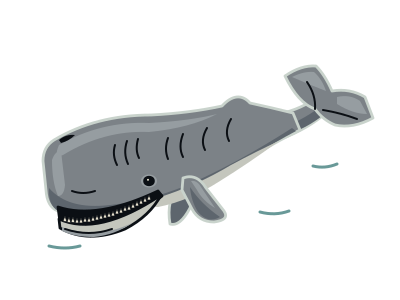
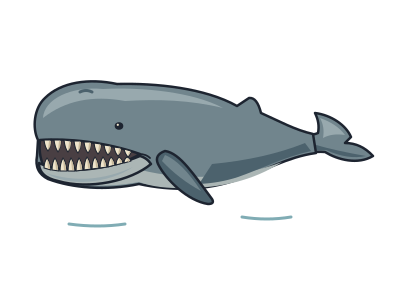
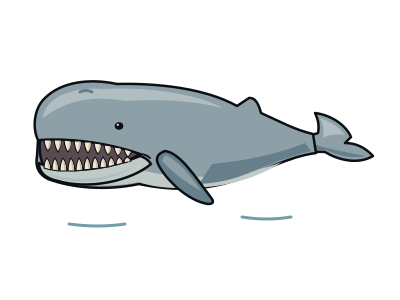
- Sperm whaleHas the largest brain of any living animal and dives over a kilometre for squid.
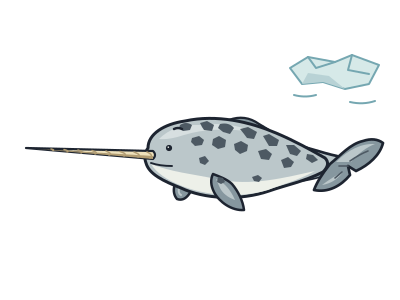
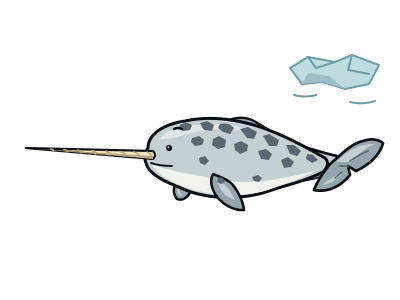
- NarwhalIts "unicorn horn" is a single tooth that can grow three metres long.
- LivyatanA sperm whale relative with teeth up to 36 centimetres long including roots; anatomy suggests it hunted other whales.
- VaquitaThe world’s smallest and rarest porpoise, with only a handful left in Mexico’s Gulf of California.
- Amazon river dolphinA pink freshwater dolphin with a flexible neck that swims among flooded forest trees.
- Cuvier’s beaked whaleHolds the mammal records for deepest and longest dives, nearly 3 km down and over 3 hours.