A species
Bottlenose dolphin
Tursiops truncatus
A whistle that works like a name.
You and the bottlenose dolphin meet in the Placental mammals branch, shown at about 95 million years ago (on 23 December, in a calendar from life's shared ancestor to today).
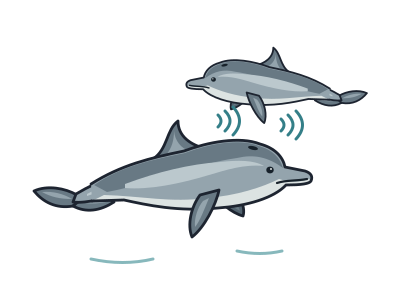
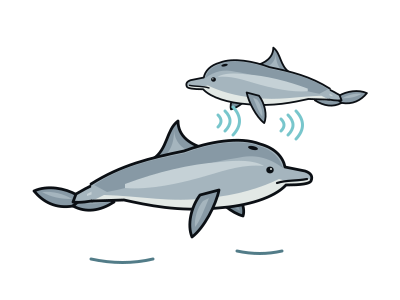
A bottlenose dolphin can call another dolphin using a whistle that works rather like a name. Each learns its own distinctive signature whistle early in life. Other dolphins can copy that pattern to address its owner. In experiments off eastern Scotland, wild dolphins answered recordings matching their own whistles, but not the comparison whistles.
These name-calling swimmers are whales, not a separate branch outside them. They belong to the toothed whales, alongside sperm whales, belugas and narwhals. Even the much larger orca belongs to the dolphin family. Like other mammals, bottlenose dolphins breathe air, and mothers feed their young with milk.
Their home stretches from bays and river mouths to the open ocean in warm and temperate seas worldwide. They may travel alone or in groups that split apart and join again. They hunt fish, squid, crabs and prawns, using listening and echolocation: finding things through returning sound echoes. Some work together to herd fish, taking turns swimming through the gathered school.
Half a brain resting
They can rest one half of their brain at a time while continuing to breathe and carry out basic activities.
A year before birth
Pregnancy lasts about a year.
Gripping, not chewing
Their teeth grip fish rather than chew them. Fish are usually swallowed whole.
Next to it on the tree
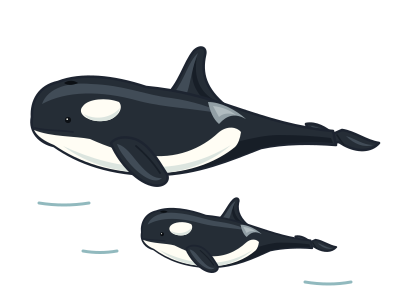
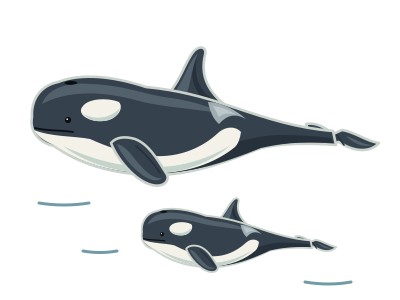
- OrcaThe largest dolphin, with family pods that keep their own hunting traditions.
- Sperm whaleHas the largest brain of any living animal and dives over a kilometre for squid.
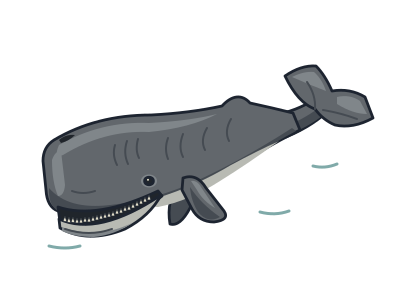
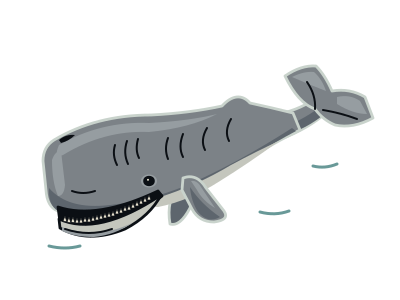
- NarwhalIts "unicorn horn" is a single tooth that can grow three metres long.
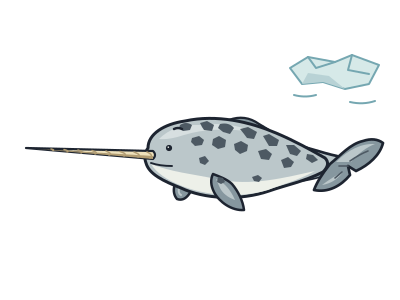
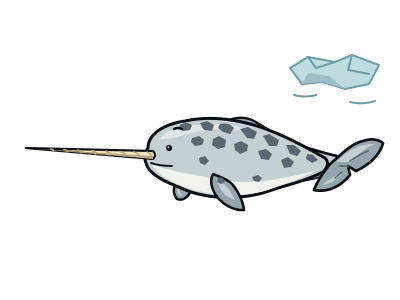
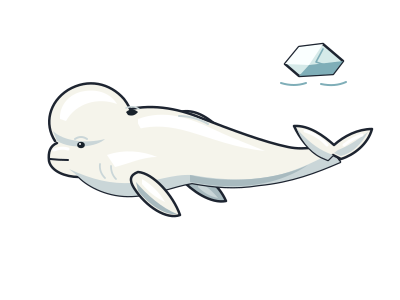
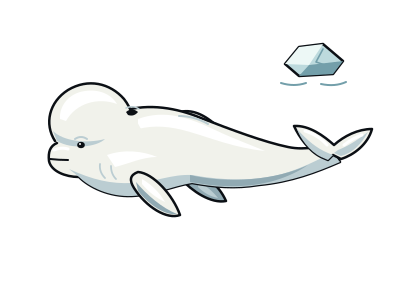
- BelugaThe white "sea canary" that can change the shape of its forehead.
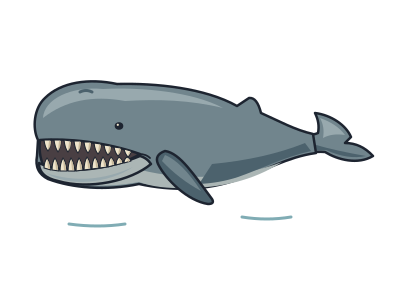
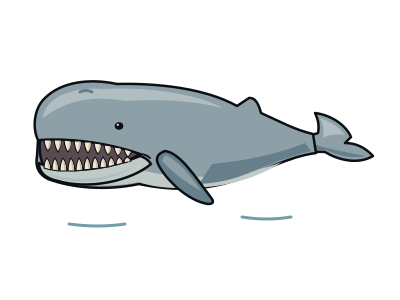
- LivyatanA sperm whale relative with teeth up to 36 centimetres long including roots; anatomy suggests it hunted other whales.
- VaquitaThe world’s smallest and rarest porpoise, with only a handful left in Mexico’s Gulf of California.
- Amazon river dolphinA pink freshwater dolphin with a flexible neck that swims among flooded forest trees.
- Cuvier’s beaked whaleHolds the mammal records for deepest and longest dives, nearly 3 km down and over 3 hours.