A group of living things
Whales and dolphins
Cetacea
One whale family, two very different ways to feed.
This branch is shown at about 36 million years ago; its age is a rough estimate.
You and whales and dolphins meet in the Placental mammals branch, shown at about 95 million years ago (on 23 December, in a calendar from life's shared ancestor to today).
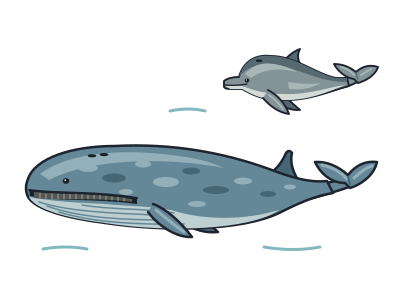
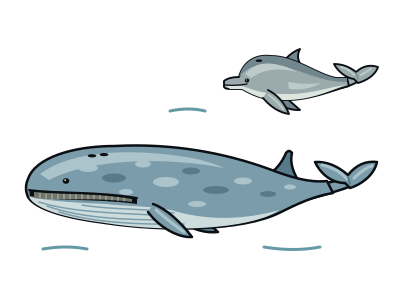
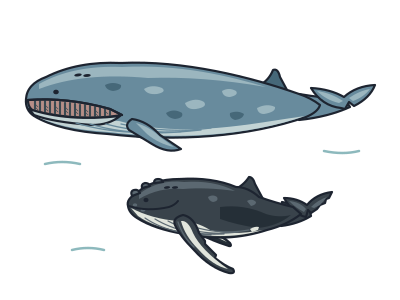
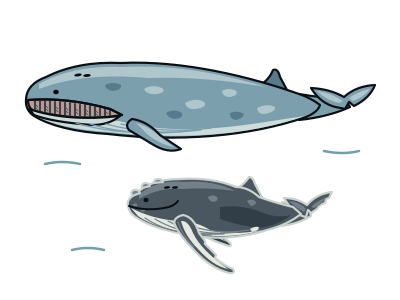
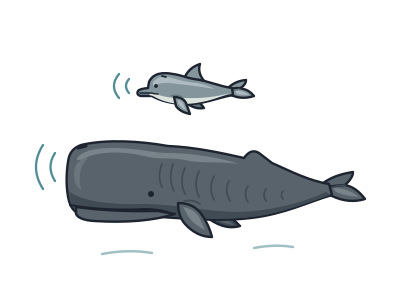
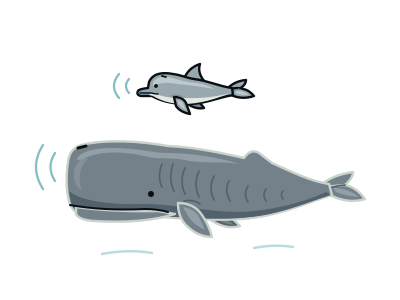
Living whales have two main branches: filter-feeders and toothed hunters. Blue whales belong to the filter-feeding branch. Dolphins, including bottlenose dolphins, belong inside the toothed branch—not outside the whale family. Living filter-feeders strain food from water through fringed plates called baleen.
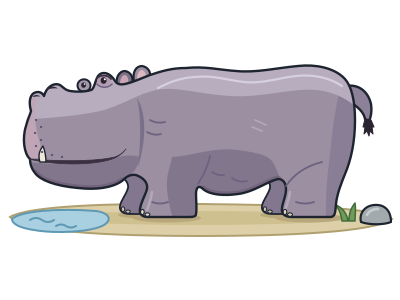
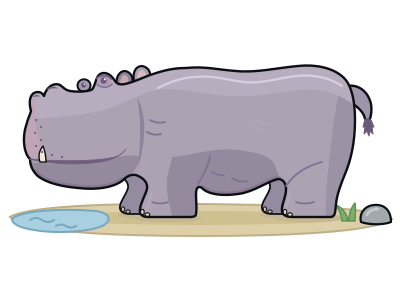
Their closest living relatives outside this group are hippos. That does not mean whales evolved from modern hippos. Whales descended from four-legged land mammals within the wider family of even-toed hoofed animals. Their bodies still hold clues to that history: inside each front flipper are arm and hand bones, reshaped for life in water.
Despite their fish-like shape, whales and dolphins are warm-blooded mammals. They breathe air, and mothers feed their young milk. Toothed whales find their way and detect prey using echolocation: they send out sounds and listen for returning echoes. A blue whale and a bottlenose dolphin may look very different, but both belong on this remarkable mammal branch.
Up and down
Their horizontal tail blades beat up and down. The front flippers mainly help them steer.
Count the blowholes
Living baleen whales have two blowholes; toothed whales have one. These are nostrils connected to lungs.
Not teeth or bone
Baleen is made from the same material as human hair and fingernails.
Inside whales and dolphins
Next to it on the tree
- Common hippopotamusCannot really swim; it gallops along the river bottom.
- PakicetusA wolf-sized land animal with a whale's ear bones: one of the first whales.
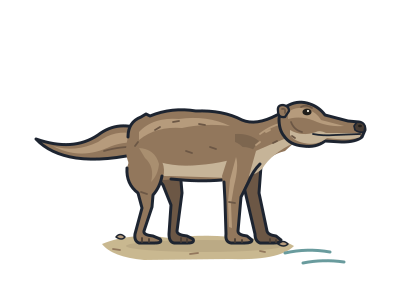
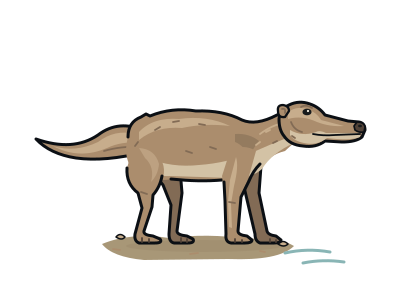
- AmbulocetusThe four-legged “walking whale” may have ambushed prey at the water’s edge; its ability to walk ashore is debated.
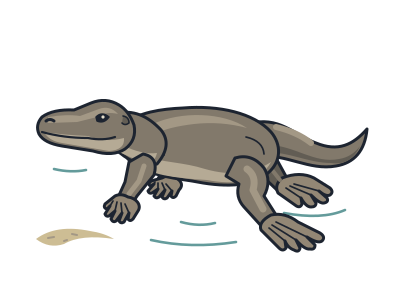
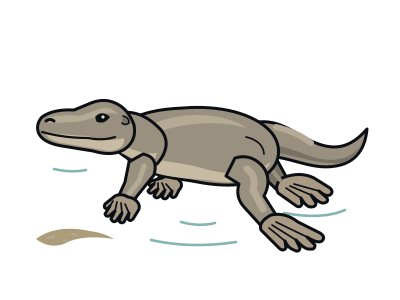
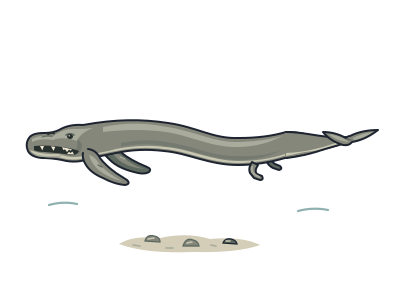
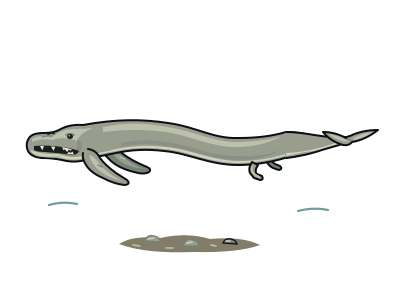
- BasilosaurusA long, serpent-like early whale, about 18 metres in reconstructed length, with tiny hind legs.
- Pygmy hippopotamusA shy forest hippo, a tenth the weight of its river cousin, that hides in West African swamps.
- IndohyusA small deer-like animal with heavy bones for wading; it is among the closest relatives of whales.