A species
Narwhal
Monodon monoceros
A whale with a tooth fit for a unicorn
You and the narwhal meet in the Placental mammals branch, shown at about 95 million years ago (on 23 December, in a calendar from life's shared ancestor to today).
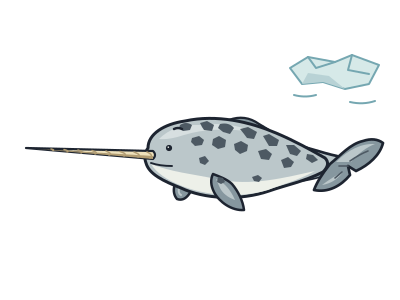
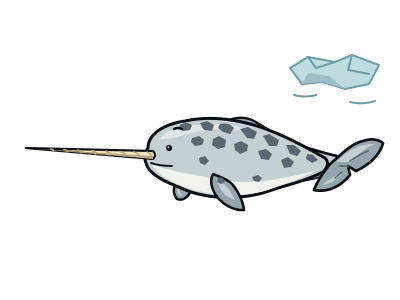
Its “unicorn horn” is a single tooth that can grow about three metres long. It usually projects through the upper left lip, not from the forehead. Most males have one tusk, while most females have no exposed tusk. Rare animals have two. Despite its unusual appearance, this is a toothed whale, related to dolphins and orcas. Its closest living relative is the beluga: together, they form a family with just two living species.
Narwhals live all year in cold Arctic seas, especially around Canada and Greenland. Many spend summer near the coast, then move offshore beneath dense sea ice in winter. They must find openings in the ice to breathe.
These whales can dive more than a kilometre below the surface to feed. Rather than chewing food with rows of teeth, they suck it into their mouths. A long tusk is not essential for catching a meal: females usually manage without one.
Lighter with age
Adults have pale skin with irregular dark spots, especially on the back. Their colouring becomes lighter as they age.
A long start with mum
Mothers usually have one calf in summer and feed it milk for at least a year.
A real source of unicorn stories
Narwhal tusks traded from the Arctic into Europe helped support beliefs in unicorns.
Next to it on the tree
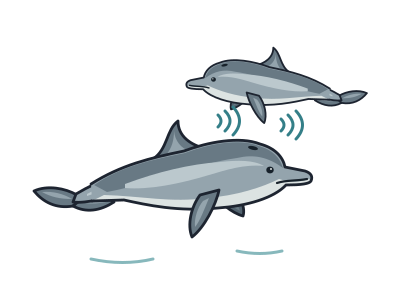
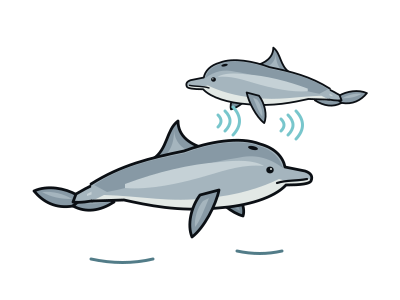
- Bottlenose dolphinUses distinctive signature whistles to address companions, rather like names; this does not establish human-like language.
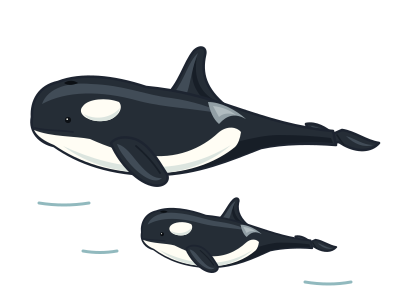
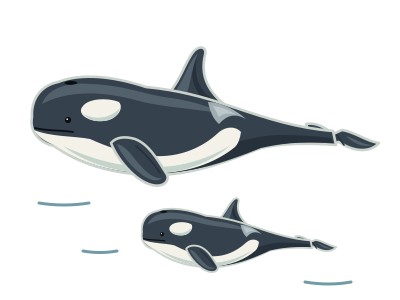
- OrcaThe largest dolphin, with family pods that keep their own hunting traditions.
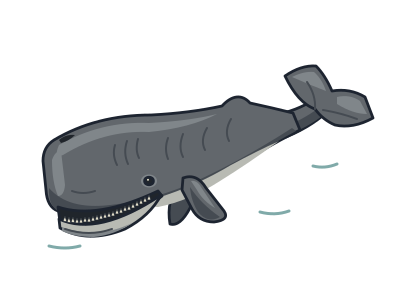
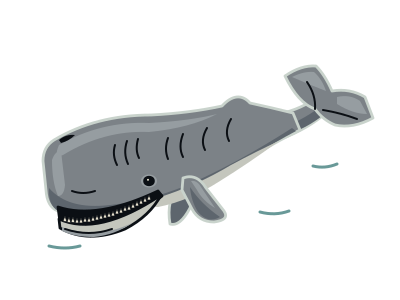
- Sperm whaleHas the largest brain of any living animal and dives over a kilometre for squid.
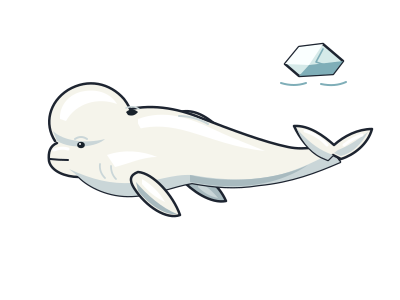
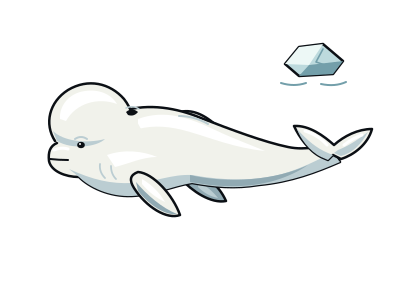
- BelugaThe white "sea canary" that can change the shape of its forehead.
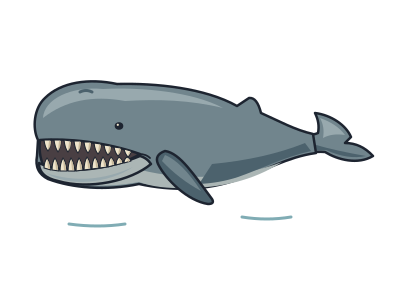
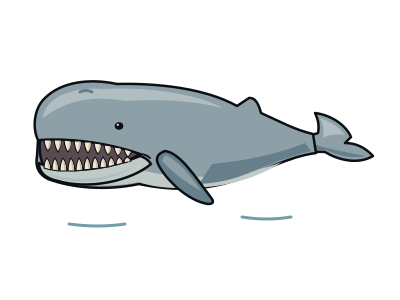
- LivyatanA sperm whale relative with teeth up to 36 centimetres long including roots; anatomy suggests it hunted other whales.
- VaquitaThe world’s smallest and rarest porpoise, with only a handful left in Mexico’s Gulf of California.
- Amazon river dolphinA pink freshwater dolphin with a flexible neck that swims among flooded forest trees.
- Cuvier’s beaked whaleHolds the mammal records for deepest and longest dives, nearly 3 km down and over 3 hours.