An extinct species
Livyatan †
Livyatan melvillei
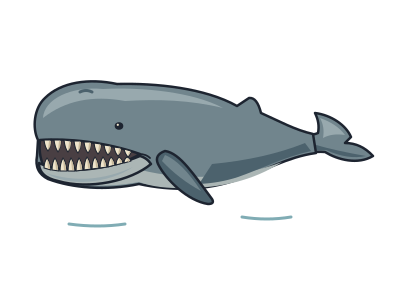
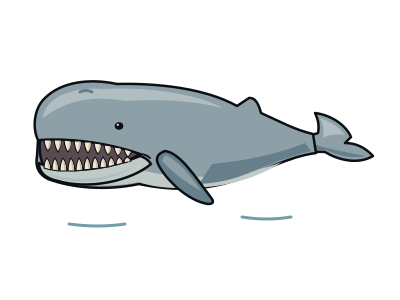
A sperm whale relative built for a powerful bite—probably into other whales.
Lived about 9.9–8.9 million years ago.
You and the livyatan meet in the Placental mammals branch, shown at about 95 million years ago (on 23 December, in a calendar from life's shared ancestor to today).
Livyatan was a sperm whale relative with teeth up to about 36 centimetres long—longer than a school ruler. That measurement included the roots hidden in its jaws. Its teeth and skull suggested that it hunted other whales. It lived in the sea off what is now southern Peru about 9.9 to 8.9 million years ago.
This was not simply a larger version of today’s sperm whale. Fossils showed large teeth in both jaws, whereas today’s giant sperm whale lacks working upper teeth. Heavy jaws and broad areas for jaw muscles pointed to a powerful bite. Researchers thought medium-sized whales that filtered food from seawater were important prey.
That menu was an interpretation, not a meal caught in the fossil record. The skull and teeth gave clues to feeding, but they did not record a hunt. Its likely feeding style was closer to an orca’s than to the way today’s giant sperm whale sucks in food.
Thick as well as long
Its thickest teeth measured about 12 centimetres across.
Another giant nearby
It shared its marine ecosystem with megalodon, another enormous predator.
A desert discovery
Its remains were discovered in Peru’s desert in 2008.
Next to it on the tree
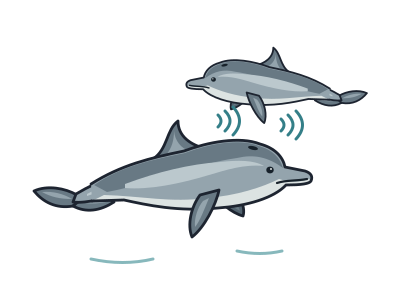
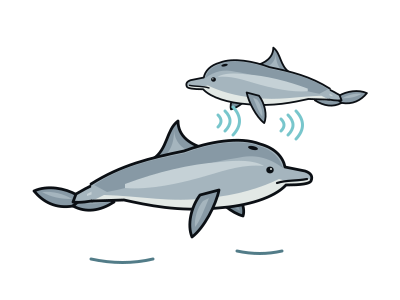
- Bottlenose dolphinUses distinctive signature whistles to address companions, rather like names; this does not establish human-like language.
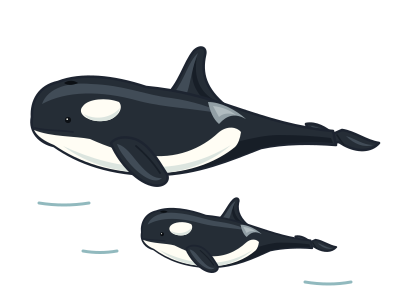
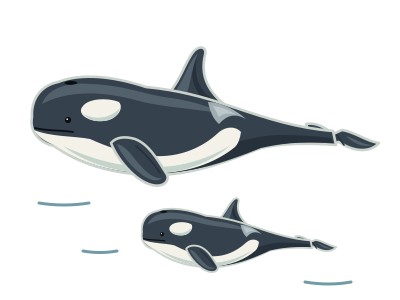
- OrcaThe largest dolphin, with family pods that keep their own hunting traditions.
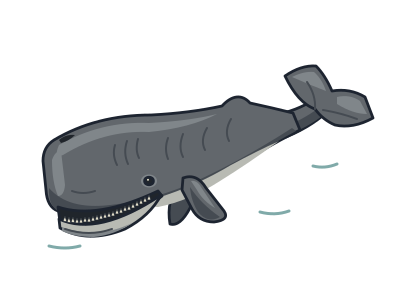
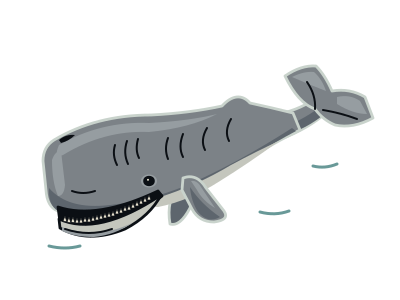
- Sperm whaleHas the largest brain of any living animal and dives over a kilometre for squid.
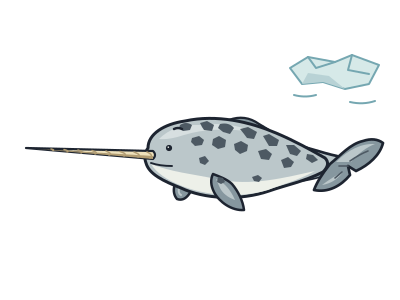
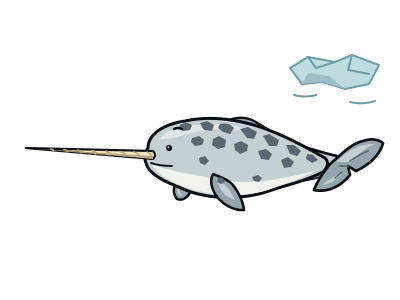
- NarwhalIts "unicorn horn" is a single tooth that can grow three metres long.
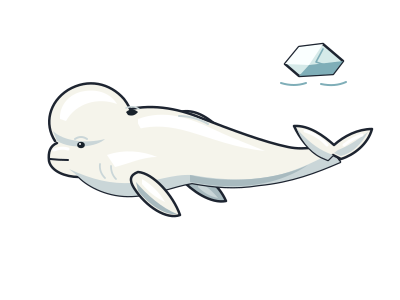
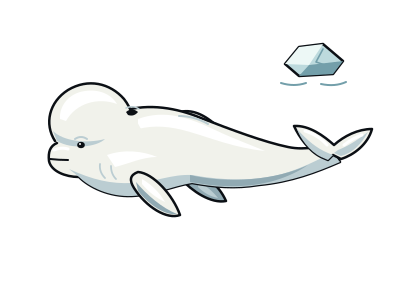
- BelugaThe white "sea canary" that can change the shape of its forehead.
- VaquitaThe world’s smallest and rarest porpoise, with only a handful left in Mexico’s Gulf of California.
- Amazon river dolphinA pink freshwater dolphin with a flexible neck that swims among flooded forest trees.
- Cuvier’s beaked whaleHolds the mammal records for deepest and longest dives, nearly 3 km down and over 3 hours.