A group of living things
Salt-loving archaea
Halobacteria
Tiny salt-lovers that paint whole ponds pink
This branch is shown at about 400 million years ago; its age is a rough estimate.
You and salt-loving archaea meet in the Archaea branch, shown at about 3.3 billion years ago (on 20 March, in a calendar from life's shared ancestor to today).
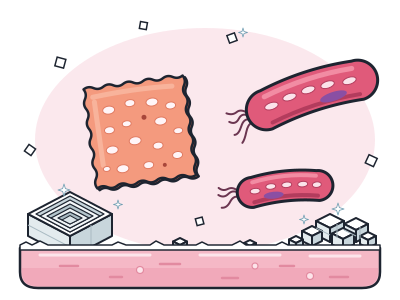
Some ponds at salt works turn a striking pink or deep red. Much of that colour comes from these tiny microbes. They live in brine about ten times saltier than the sea, close to the point where salt starts to form crystals. Despite their old name, they are not bacteria. They are archaea, a separate branch of life.
Their family is surprising. On the tree of life they sit in the same group as methane-making archaea, including one that lives in human guts. Scientists think the salt-lovers came from methane-making ancestors. Those relatives make gas in places without air. Most salt-lovers instead breathe oxygen and live in sunny, salty pools.
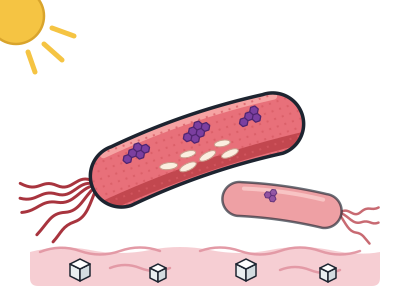
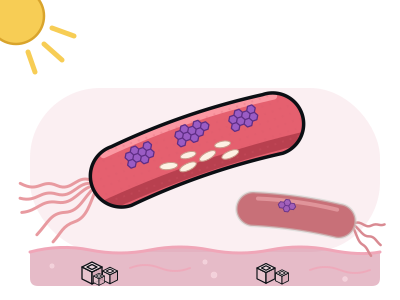
Many salt-tolerant living things avoid filling their cells with salt. These microbes take a bolder route. They pack their cells with a different salt, potassium chloride, to balance the salty brine outside, and their proteins are built to work in it. Their pink colour comes mostly from pigments called carotenoids. Some also have a purple protein that works as a sunlight-powered pump. It helps them make energy without the green chlorophyll that plants use.
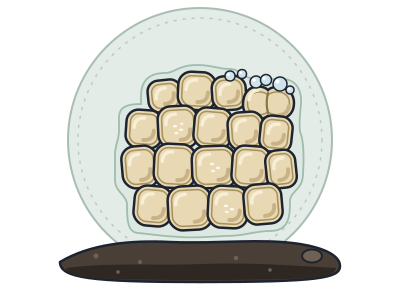
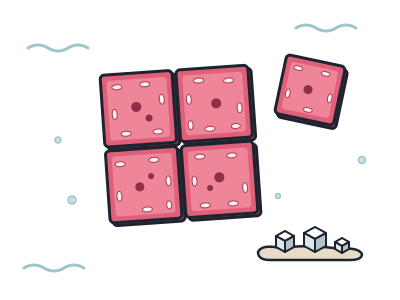
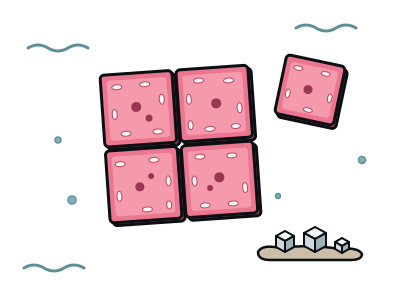
Their cells come in different shapes, including rods and balls. The square archaeon is the strangest: a flat square like a postage stamp, only about 0.2 micrometres thick.
A long wait
The square archaeon was first spotted in 1980 in brine from Sinai. Nobody managed to grow it in a lab for more than 20 years. Then in 2004, teams in Spain and Australia both succeeded.
Early genome
In 2000, the pink salt archaeon became one of the first archaea to have its whole genome read. It likes oxygen and ordinary temperatures, so it is easy to grow in the lab.
A second light pump
As well as the purple energy pump, some of them have a related light-powered pump called halorhodopsin. It moves chloride into the cell.
Inside salt-loving archaea
Next to it on the tree
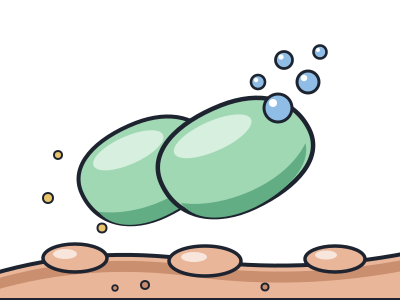
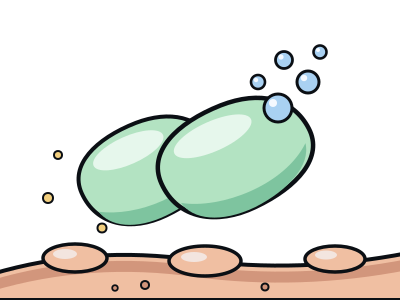
- Gut methane-makerAn archaeon living in most human guts that turns hydrogen into methane.
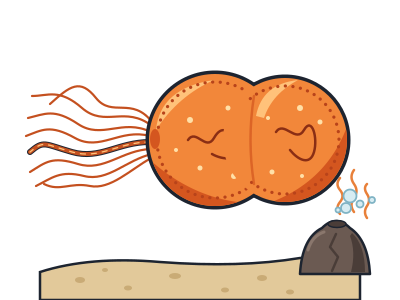
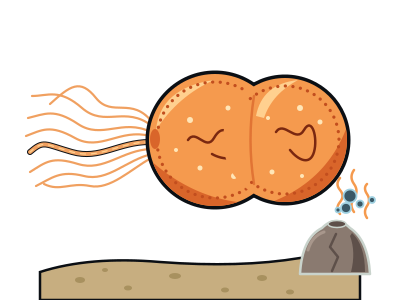
- Rushing fireballIts name means rushing fireball: it doubles every 37 minutes at 100 °C beside volcanic vents.
- Heat record-holderHolds the heat record for life: one strain kept growing at 122 °C in a deep-sea vent.
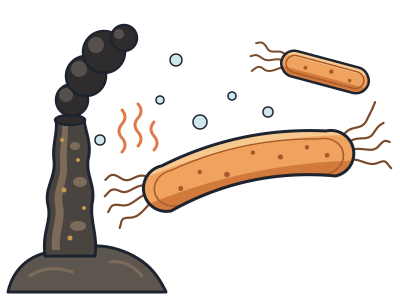
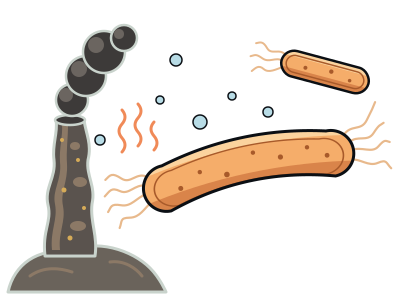
- Acid record-holderGrows best in hot soil more acidic than lemon juice, near pH 0.7, the most acid-loving life known.
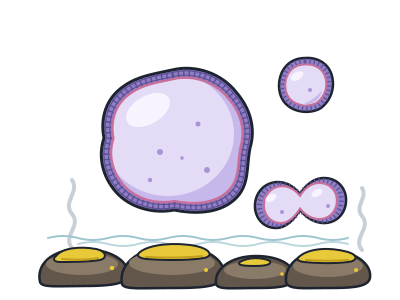
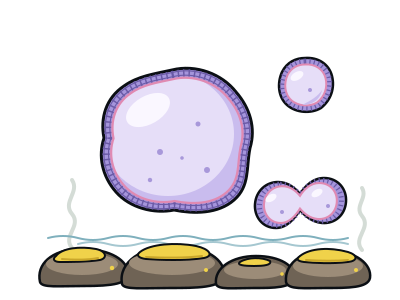
- MethanosarcinaGrows in clumps and makes methane from many foods, using a rare 22nd building block for its proteins.