A group of living things
Methane-makers and salt-lovers
Euryarchaeota
Tiny cells behind cow burps, pink salt ponds and life hotter than boiling water
This branch is shown at about 3.1 billion years ago; its age is a rough estimate.
You and methane-makers and salt-lovers meet in the Archaea branch, shown at about 3.3 billion years ago (on 20 March, in a calendar from life's shared ancestor to today).
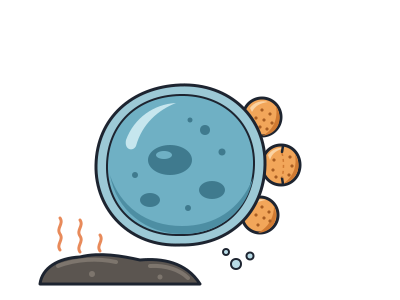
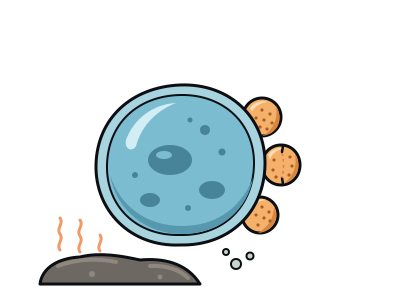
The methane in a cow's burps isn't made by the cow. Tiny single cells living in its stomach make it, and they belong to this group. Their relatives turn salt ponds pink and grow in water hotter than boiling. All of them are archaea. These microbes look a bit like bacteria but belong to a separate branch of life. On the tree, their neighbours are other archaea: the hot-spring and ocean archaea, the Asgard archaea and the tiny Nanoarchaeum.
Methane-makers live in places with no oxygen. In a cow's first stomach, they feed on leftovers from other microbes and make methane, which the cow mostly burps out. In cattle and buffaloes, almost all the archaea in the gut come from this group.
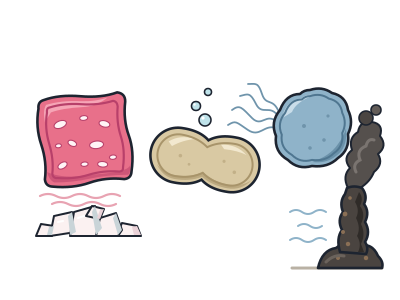
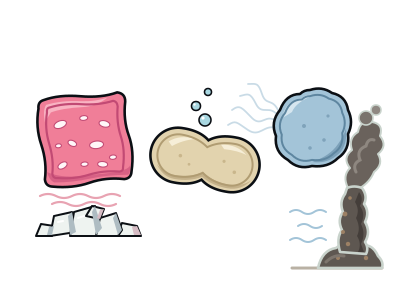
Most salt-lovers need water about 4 to 9 times saltier than seawater. Many carry a red pigment, so when huge numbers of them crowd into a salty pond or lake, they help tint the water pink or red.
Heat-lovers live at hot vents and in hot sediments on the sea floor. One methane-maker from deep-sea vents grows best at about 98 °C, and one strain of it can multiply at 122 °C. Not every member lives somewhere extreme, though. Some live in ordinary soil, marshes, springs and around plant roots.
A pigment family with flamingos
The red pigment in salt-loving archaea belongs to the same family of pigments as the ones that colour tomatoes and flamingos.
A pinhead crowd
More than half a million salt-loving archaea would fit on a pinhead, and one drop of brine can hold millions.
Found in the deep
The heat-loving methane-maker was first found at hot vents in the Gulf of California, about 2,000 metres below the surface. That's deeper than 20 football fields laid end to end are long.
Inside methane-makers and salt-lovers
- Gut methane-makerAn archaeon living in most human guts that turns hydrogen into methane.
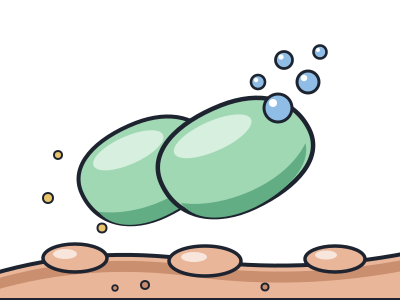
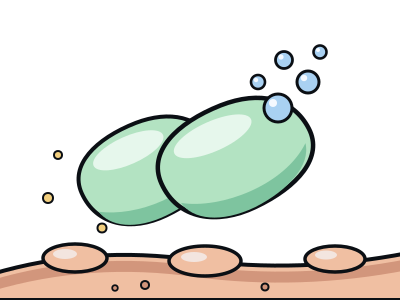
- Salt-loving archaeaArchaea that turn salt ponds pink and live in brine ten times saltier than the sea.
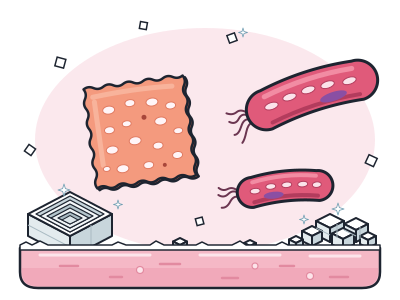
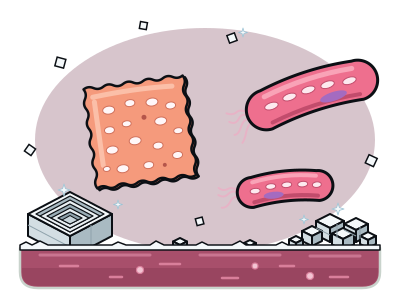
- Rushing fireballIts name means rushing fireball: it doubles every 37 minutes at 100 °C beside volcanic vents.
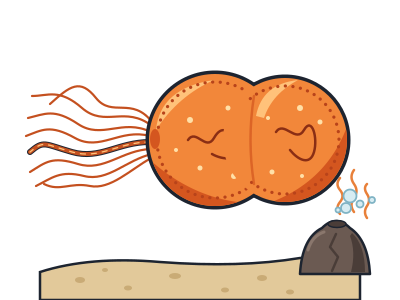
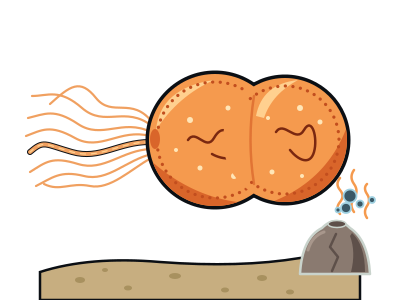
- Heat record-holderHolds the heat record for life: one strain kept growing at 122 °C in a deep-sea vent.
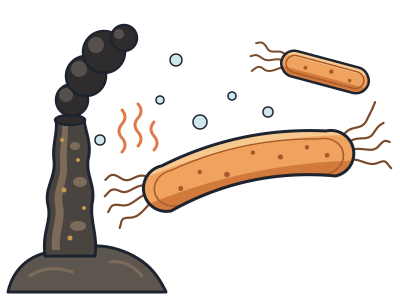
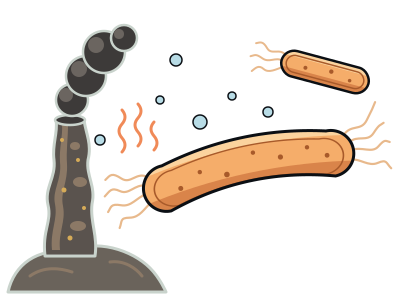
- Acid record-holderGrows best in hot soil more acidic than lemon juice, near pH 0.7, the most acid-loving life known.
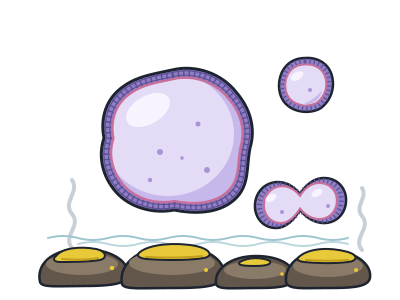
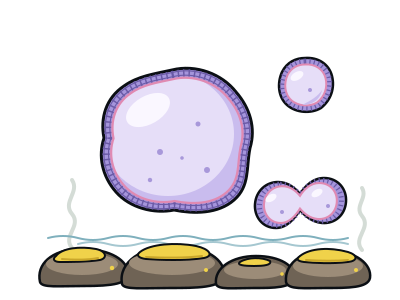
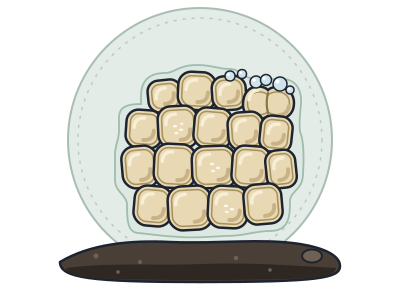
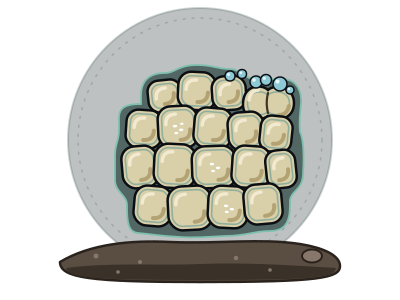
- MethanosarcinaGrows in clumps and makes methane from many foods, using a rare 22nd building block for its proteins.
Next to it on the tree
- Hot-spring and ocean archaeaFrom boiling acid springs to the open ocean, these archaea thrive where you would least expect.
- Asgard archaeaNamed after Norse gods, these archaea carry cell-building genes once thought unique to us; our ancestor was one of them.
- DPANN archaeaMostly tiny archaea with pared-down genomes that often live by leaning on a bigger neighbour.