A species
Rushing fireball
Pyrococcus furiosus
A tiny ball of life that multiplies fastest in water as hot as boiling water.
You and the rushing fireball meet in the Archaea branch, shown at about 3.3 billion years ago (on 20 March, in a calendar from life's shared ancestor to today).
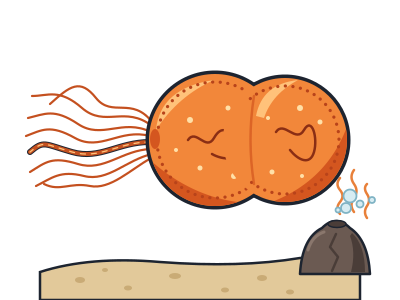
Its name means "rushing fireball". "Fireball" refers to its round shape and its love of heat. "Rushing" refers to how fast it multiplies. In ideal conditions, at about 100 °C (the temperature at which water boils at sea level), its numbers double about every 37 minutes. Scientists first described it in 1986, from hot sea-floor mud off a beach on Vulcano, a volcanic island in Italy.
It is not a bacterium. It belongs to the archaea, a separate branch of life. On the tree it sits beside methane-makers and salt-lovers, but it makes no methane itself. It shares their ancestry, not their way of life. One neighbour, the heat record-holder, can grow even hotter. The rushing fireball stops growing at about 103 °C.
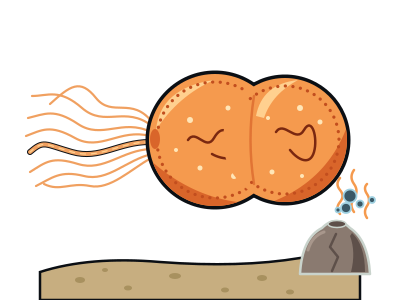
Each cell is a tiny ball about 1 micrometre across, roughly a hundredth the width of a human hair. It lives without oxygen. It eats sugars, starches and bits of protein, and gives off hydrogen and carbon dioxide. A tuft of up to about 50 whip-like threads sprouts from one end of the cell, and each thread can be several times longer than the cell itself.
A helper in DNA labs
One of its enzymes, called Pfu, is used in labs to copy DNA. It checks its own work, which makes it more than ten times as accurate as Taq, another enzyme labs often use.
Powered by a rare metal
Several of its enzymes have the rare metal tungsten at their heart. In experiments, similar metals such as molybdenum or vanadium did not take tungsten's place.
Swimming speed finally measured
Nobody actually timed its swimming until 2012. At 95 °C it swam about 62 micrometres a second on average. For something so small, that is dozens of its own body lengths every second.
Next to it on the tree
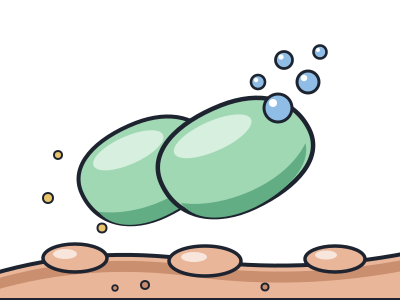
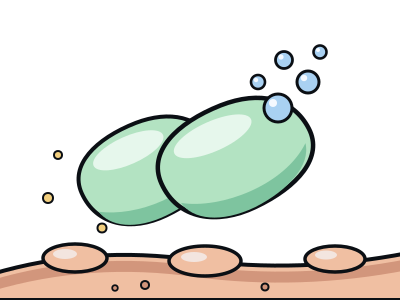
- Gut methane-makerAn archaeon living in most human guts that turns hydrogen into methane.
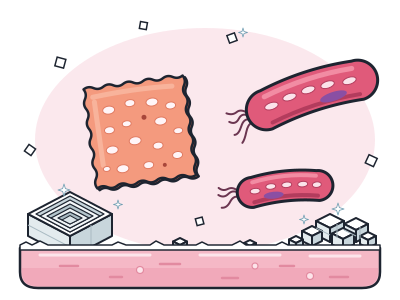
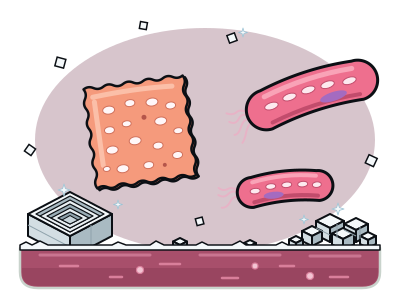
- Salt-loving archaeaArchaea that turn salt ponds pink and live in brine ten times saltier than the sea.
- Heat record-holderHolds the heat record for life: one strain kept growing at 122 °C in a deep-sea vent.
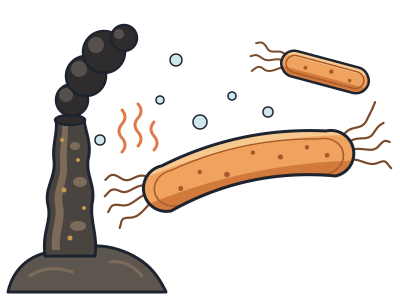
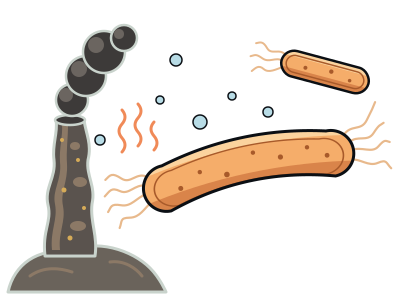
- Acid record-holderGrows best in hot soil more acidic than lemon juice, near pH 0.7, the most acid-loving life known.
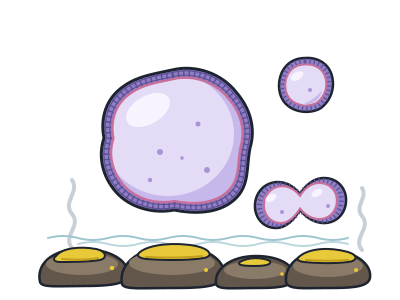
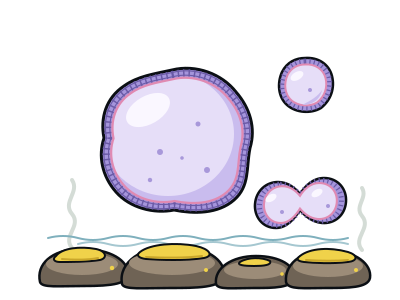
- MethanosarcinaGrows in clumps and makes methane from many foods, using a rare 22nd building block for its proteins.