A species
Methanosarcina
Methanosarcina barkeri
A clumping microbe that turns many foods into methane and builds proteins with a rare 22nd ingredient.
You and the methanosarcina meet in the Archaea branch, shown at about 3.3 billion years ago (on 20 March, in a calendar from life's shared ancestor to today).
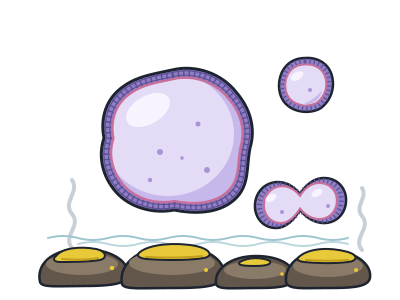
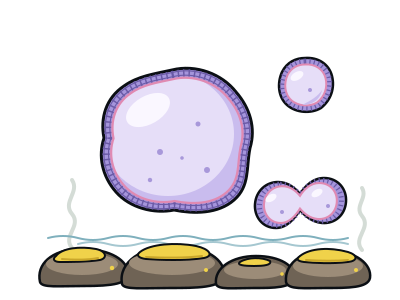
This tiny microbe grows in clumps and makes methane gas from more kinds of food than almost any other methane-maker. It can use hydrogen and carbon dioxide, methanol, or acetate, the main part of vinegar. It also builds some of its proteins with a rare 22nd ingredient.
Proteins are made from small building blocks called amino acids. For about 30 years after the structure of DNA was worked out, scientists knew of 20 that genes spell out. A 21st was found in 1986. Then, in 2002, a team at Ohio State University found a 22nd, called pyrrolysine, in this microbe. In a few of its genes, a genetic signal that normally means 'stop' is read as 'add pyrrolysine' instead.
It is an archaeon, not a bacterium. On the tree it shares a branch with the methane-maker that lives in human guts and with the salt-loving archaea. Pyrrolysine is rare. Only some methane-making archaea and a few bacteria are known to use it.
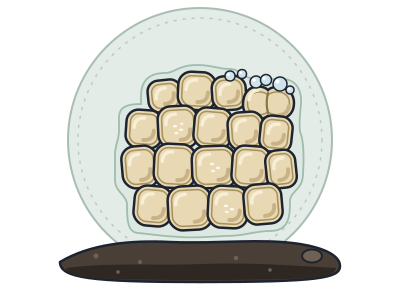
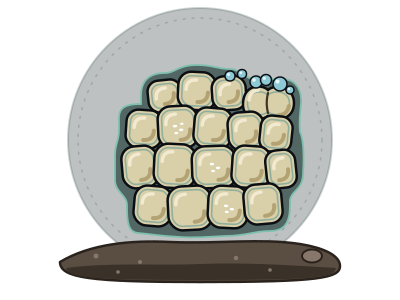
In fresh water, its cells stay stuck together in a shared jelly-like coat. The clumps can grow big enough to see without a microscope. It cannot grow where there is oxygen, so it lives in airless places such as sewage digesters and the mud at the bottom of lakes.
Tested in Mars-like conditions
University of Arkansas researchers put it under low pressure that copied an underground water source on Mars. Afterwards it was still making methane, which showed it had survived.
Borrowed by scientists
Scientists borrow the tools this microbe's group uses to load pyrrolysine. With them, they have put more than 100 different man-made amino acids into proteins in other living things.
Named after a microbiologist
A Dutch microbiologist named it in 1947 in honour of the microbiologist H. Albert Barker. The strain scientists now use as the official reference for the species came from a sewage digester.
Next to it on the tree
- Gut methane-makerAn archaeon living in most human guts that turns hydrogen into methane.
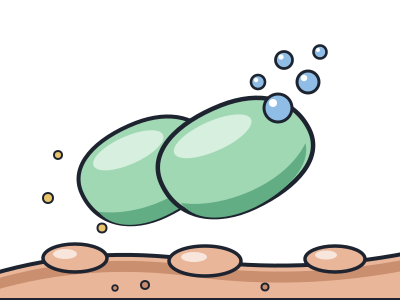
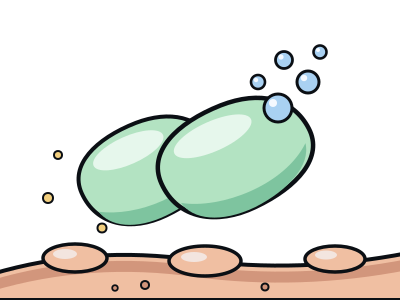
- Salt-loving archaeaArchaea that turn salt ponds pink and live in brine ten times saltier than the sea.
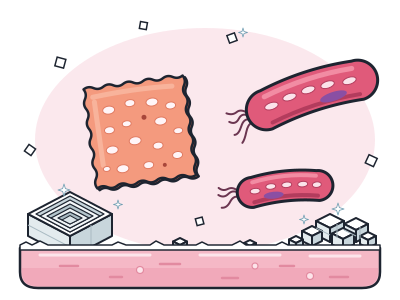
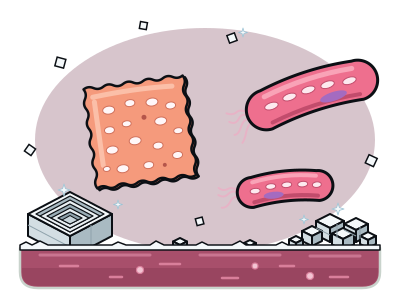
- Rushing fireballIts name means rushing fireball: it doubles every 37 minutes at 100 °C beside volcanic vents.
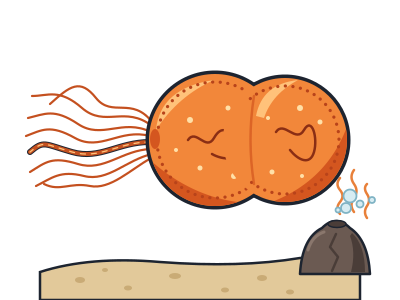
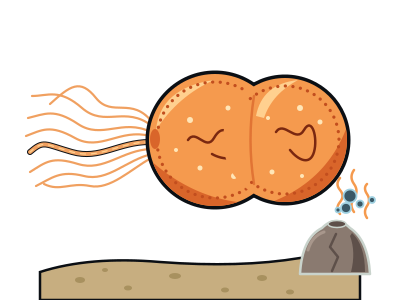
- Heat record-holderHolds the heat record for life: one strain kept growing at 122 °C in a deep-sea vent.
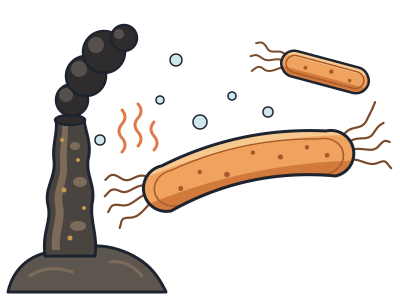
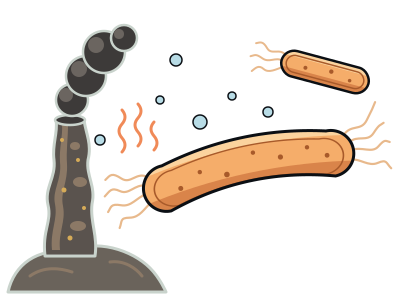
- Acid record-holderGrows best in hot soil more acidic than lemon juice, near pH 0.7, the most acid-loving life known.