A species
Horned dinoflagellate
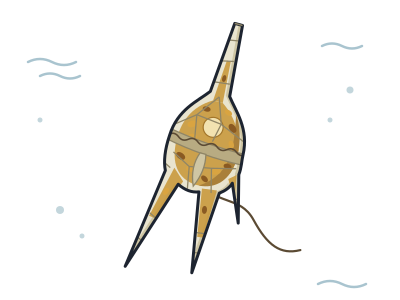
Ceratium hirundinella
An armoured cell with horns, swimming in summer lake water
You and the horned dinoflagellate meet in the Eukaryotes branch, shown at about 1.8 billion years ago (on 28 July, in a calendar from life's shared ancestor to today).
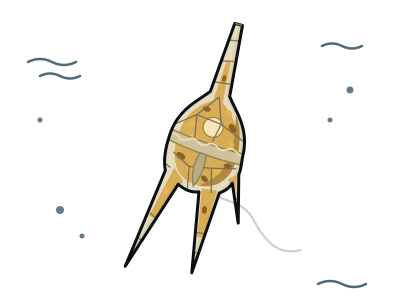
Put a drop of summer lake water under a school microscope and you may see an odd little shape. It has one long, narrow horn at the front and two or three shorter, pointed horns at the back. This is the horned dinoflagellate, a single cell wearing armour. Its shell is made of many-sided plates that contain cellulose, the same tough material found in plant cell walls. The biggest cells are about the size of a full stop.
It isn't an animal. Like a plant, it makes food from sunlight, using golden-brown pigments inside the cell. But its family tree is surprising. Its relatives include the parasite that causes malaria. Dinoflagellates and malaria parasites are more closely related to each other than either is to ciliates. Ciliates are single cells covered in tiny beating hairs, and you can find them in pond water too.
The cell has two whip-like flagella of different lengths. One wraps around a groove at its waist and the other trails behind. With them, it swims up and down through the water to find light and nutrients, and it moves deeper at night. Cells sometimes join into short chains, and some grow an extra horn.
A newcomer to South America
It isn't native to South America. It was first recorded in Brazil in 1963. Since then it has spread through many lakes and reservoirs there, along with a close relative.
Sea cousins got a new name
The horned plankton that live in the sea used to share its group name. In 2013 they were moved to a separate group. That left about 7 freshwater species in its own group.
Harmful without poison
Unlike toxic red tides, its blooms are generally not poisonous. But when there are huge numbers of cells, they can use up the oxygen in the water and kill fish.
Next to it on the tree
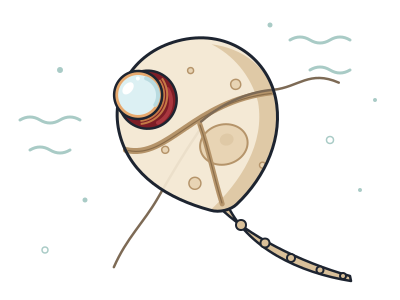
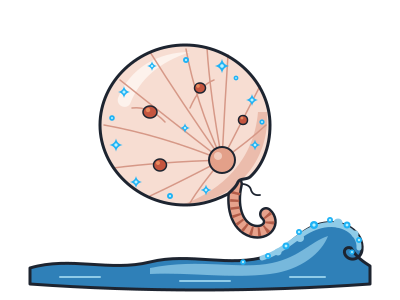
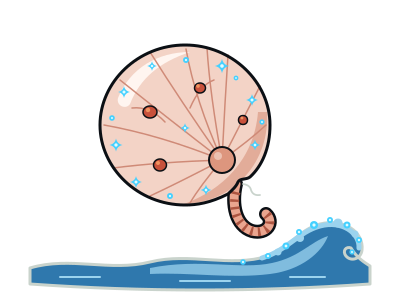
- Sea sparkleMakes breaking waves glow electric blue at night when the water is disturbed.
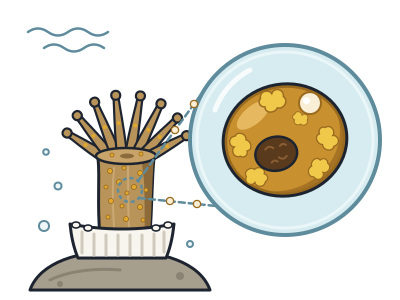
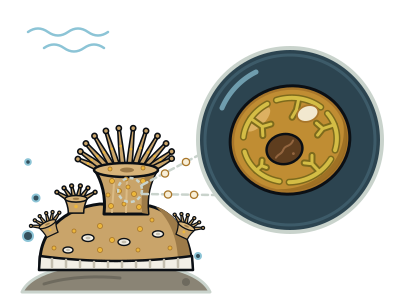
- Coral's algae partnerLives inside coral and feeds it sugar; when heat drives it out, the coral bleaches white.
- Florida red tideIts blooms tint the sea red-brown and release toxins that kill fish and make beachgoers cough.
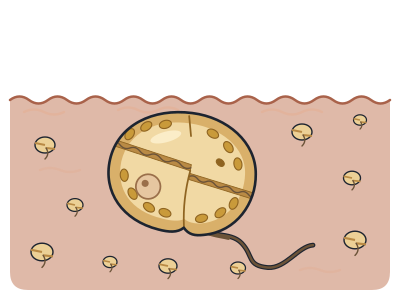
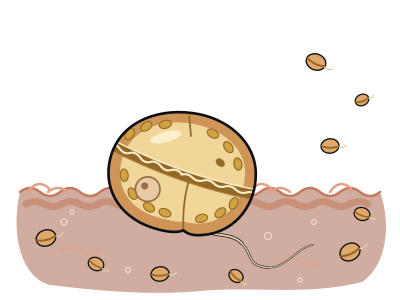
- Bioluminescent bay glowMakes the famous glowing bays of Puerto Rico, where every paddle stroke lights up blue.
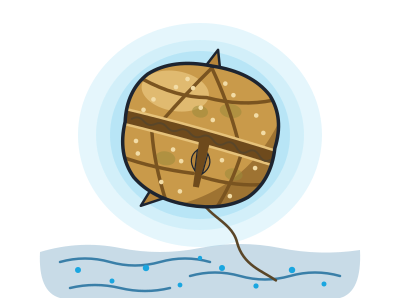
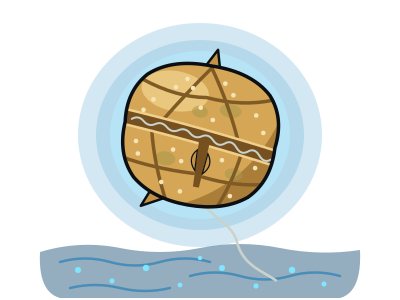
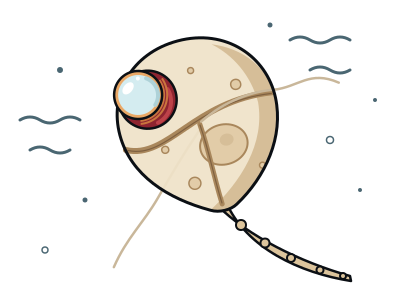
- Single-celled eyeA single cell with a camera-like eye, complete with a lens, built from its own parts.