A species
Pacific banana slug
Ariolimax columbianus
A banana-yellow slug that recycles the forest floor
You and the pacific banana slug meet in the Two-sided animals branch, shown at about 580 million years ago (on 11 November, in a calendar from life's shared ancestor to today).
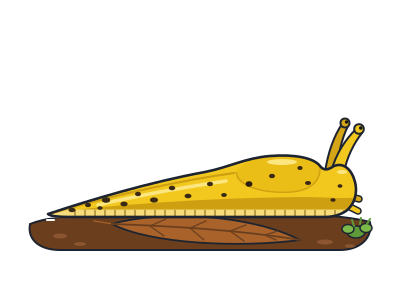
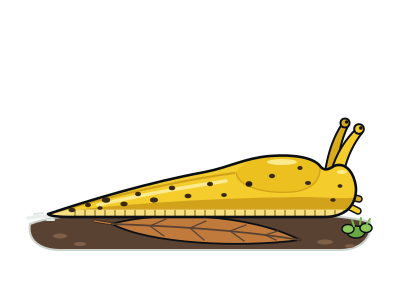
Picture a slug as long as a banana and just as yellow. The Pacific banana slug lives on cool, damp forest floors in western North America, from Alaska down to northern California. There it eats fallen leaves and helps recycle them, so the goodness in them goes back into the forest.
It may look nothing like a garden snail, but the two are relatives. Both belong to the same big group of land snails and slugs. Slugs are not a completely separate kind of animal. Over a very long time, some land snails lost their shells or their shells shrank. The leopard slug is another slug in this group.
As a decomposer, the banana slug eats much more than leaves. Mushrooms, rotting plants, droppings and dead animals are all on the menu. Its slime does several jobs. It lets the slug glide along like an ice-skater, stops it drying out, and can numb the tongue of an animal that tries to eat it.
Not every banana slug is yellow. Some are greenish, brown or almost white, and many have dark spots.
Sticky defence
Snakes have been found with their mouths glued shut by banana slug slime.
Both at once
Each banana slug is both male and female, but it rarely fertilises itself. It lays its eggs under logs or in leaf litter and leaves them to hatch on their own.
Short commute
A banana slug usually travels only about 5 to 10 metres a day. On hot days, slugs sometimes huddle together on damp logs to keep their bodies at a comfortable temperature.
Next to it on the tree
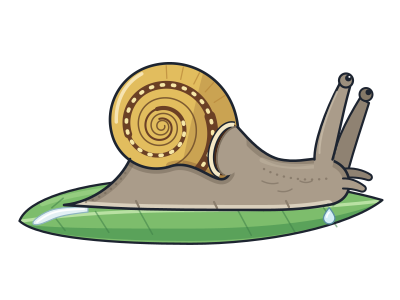
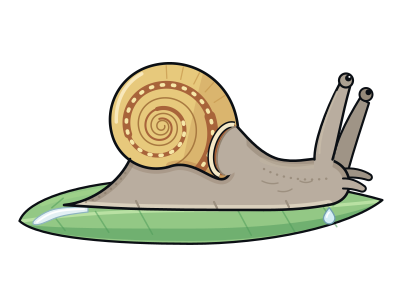
- Garden snailCarries its house, glides on its own slime and has thousands of tiny teeth.
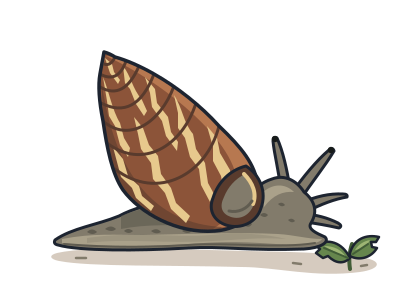
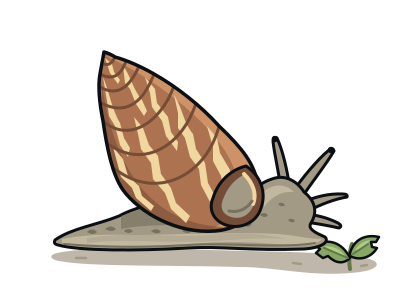
- Giant African land snailA large adult can be fist-sized; this giant land snail becomes a major invasive pest outside its native range.
- Leopard slugA spotted garden slug that hunts other slugs and courts while hanging from a thread of slime.
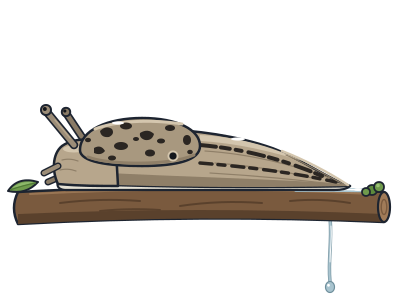
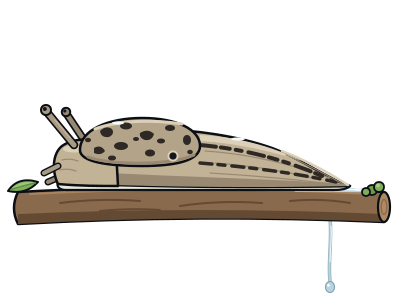
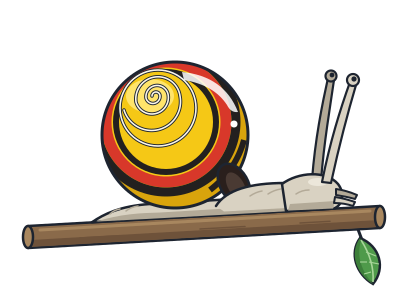
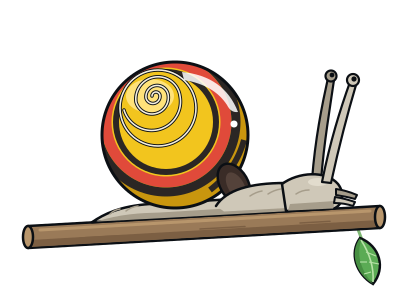
- Cuban painted snailPerhaps the most colourful land snail, its shell striped in yellow, red and black.