A species
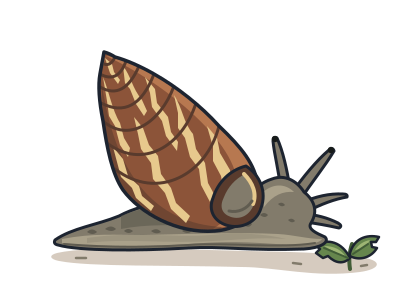
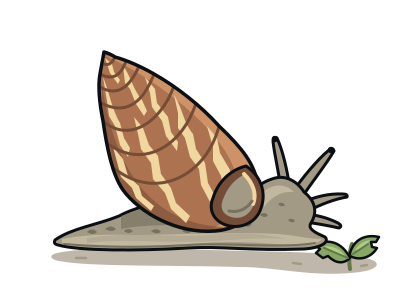
Giant African land snail
Lissachatina fulica
A fist-sized relative of sea slugs, with an appetite that makes it a pest.
You and the giant african land snail meet in the Two-sided animals branch, shown at about 580 million years ago (on 11 November, in a calendar from life's shared ancestor to today).
A large adult giant African land snail can be about the size of your fist. It is one of the world's largest land snails—and a major invasive pest. It eats more than 500 kinds of crops and ornamental plants. Here, invasive means it has spread beyond its natural home and causes harm in its new surroundings.
Despite its land-based life, it belongs to the same broad snails-and-slugs branch as cone snails, sea slugs, sea hares and limpets. All are molluscs, even though they can look very different. Many marine snails breathe through gills. This land snail instead breathes air using a chamber that acts like a lung.
It usually feeds at night, although wet weather can bring it out during daylight. By day, it shelters beneath fallen leaves, timber and thick shrubs, or in gaps around rocks and roots. Its worldwide travels are less snail-paced: it can hitchhike on shipping containers, machinery, vehicles and other goods.
Waiting out dry weather
During drought, it can retreat into its shell and become inactive, saving moisture until conditions improve.
Both sets of organs
Each mature snail has both male and female reproductive organs.
An Australian outbreak stopped
An outbreak at Gordonvale, Queensland, in 1977 was eradicated. Current Queensland guidance says the species is not established in Australia.
Next to it on the tree
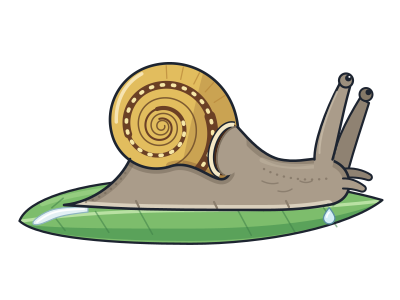
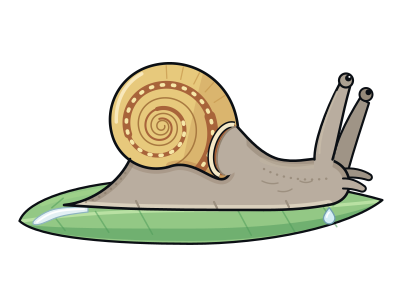
- Garden snailCarries its house, glides on its own slime and has thousands of tiny teeth.
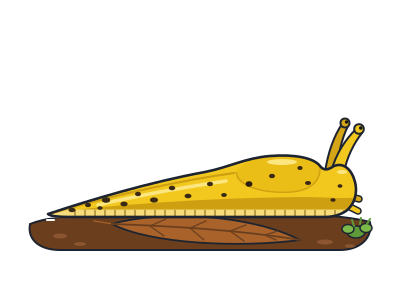
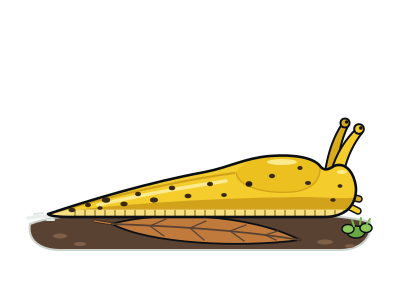
- Pacific banana slugA bright yellow slug as long as a banana that recycles leaves on the forest floor.
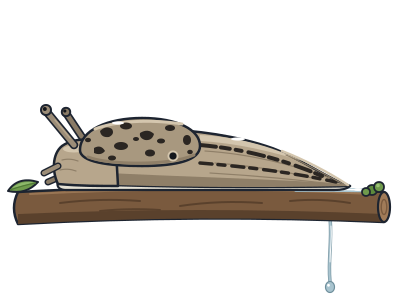
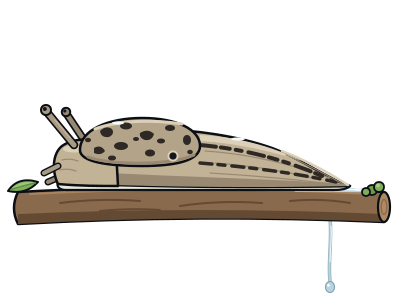
- Leopard slugA spotted garden slug that hunts other slugs and courts while hanging from a thread of slime.
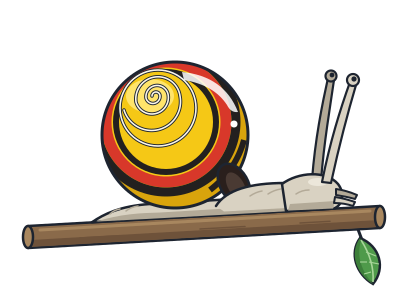
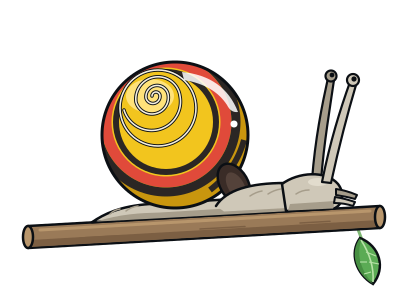
- Cuban painted snailPerhaps the most colourful land snail, its shell striped in yellow, red and black.