A group of living things
Corals and sea anemones
Anthozoa
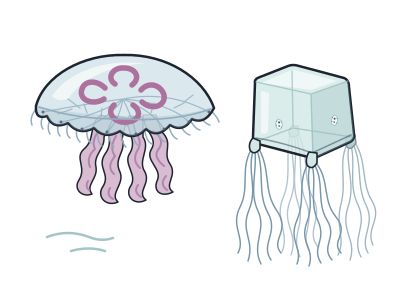
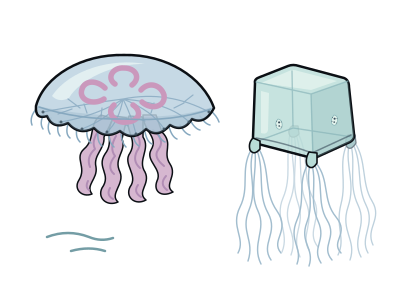
Jellyfish relatives that never become jellyfish
This branch is shown at about 570 million years ago; its age is a rough estimate.
You and corals and sea anemones meet in the Animals branch, shown at about 700 million years ago (on 1 November, in a calendar from life's shared ancestor to today).
Corals and sea anemones are relatives of jellyfish, but they never develop a bell-shaped jellyfish stage. Instead, their adult bodies stay as polyps: soft tubes topped with tentacles. That does not mean they never drift. Their young can travel through the water before settling down. Sea fans and sea pens also belong to this family.
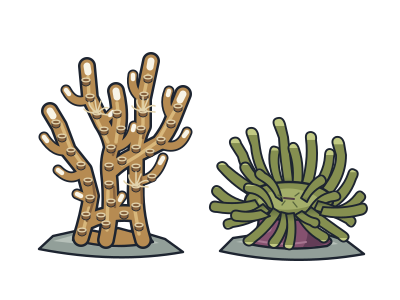
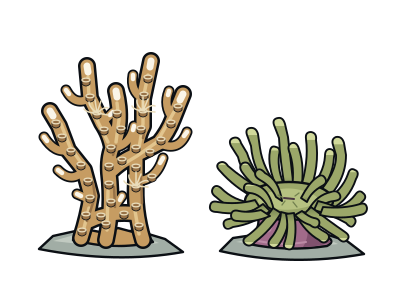
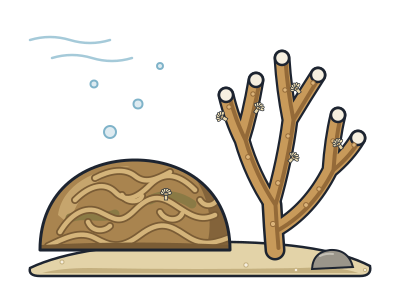
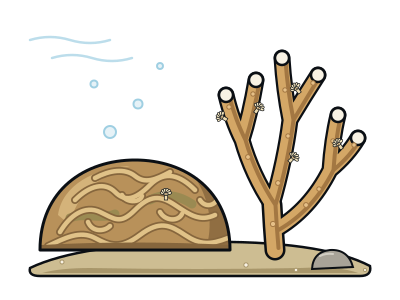
A branching stony coral and a soft sea anemone look very different, yet both use this basic body plan. A branching coral colony can contain hundreds or thousands of small polyps, rather than being one large animal. Stony coral polyps make hard skeletons. As later generations build on older skeletons, they can form enormous reefs. Some corals, however, live as single polyps.
These animals may look like flowers or underwater bushes, but they are not plants. Their tentacles carry tiny stinging cells. These help them catch prey and defend themselves.
Beyond tropical reefs
Members of this group live in warm and cold seas, from shores exposed between tides to the deep ocean.
One opening, two jobs
Food enters and digestive waste leaves through the same opening.
A gripping base
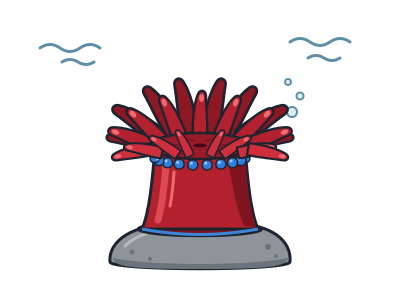
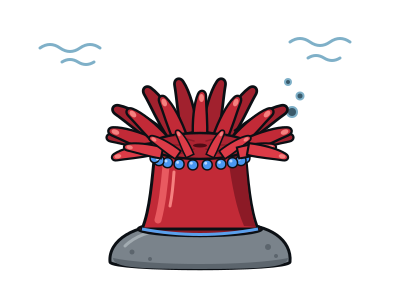
Sea anemones commonly attach with a disc-shaped base, including on rocks and other animals’ shells.
Inside corals and sea anemones
- Horn coralsHorn-shaped corals that built reefs for 200 million years and died out in the greatest mass extinction.
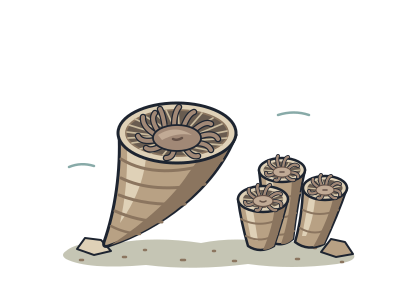
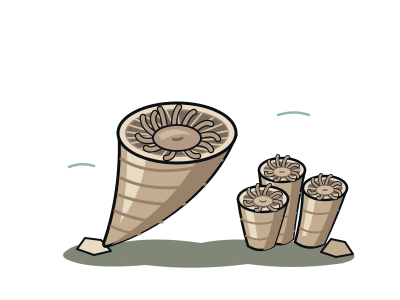
- Stony coralsTiny polyps that build limestone cups, together raising reefs big enough to see from space.
- Sea anemonesSoft polyps with no skeleton that sit like flowers on rocks and sting what touches them.
- Soft corals and sea fansCorals whose polyps each have exactly eight feathery tentacles, from sea fans to sea pens.
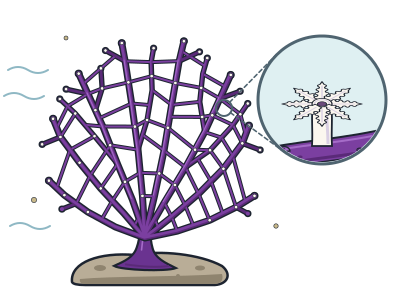
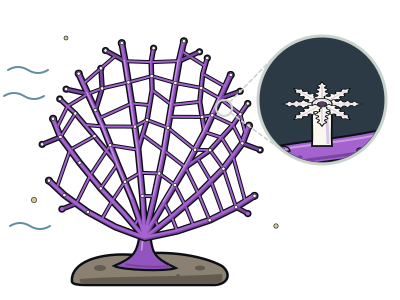
- Black coralSome colonies have been growing for over 4,000 years, making them among the oldest animals on Earth.
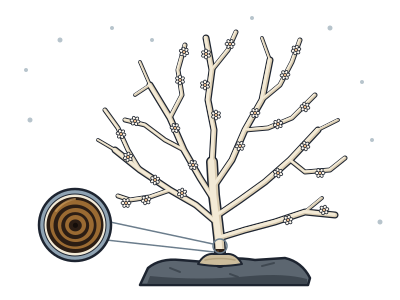
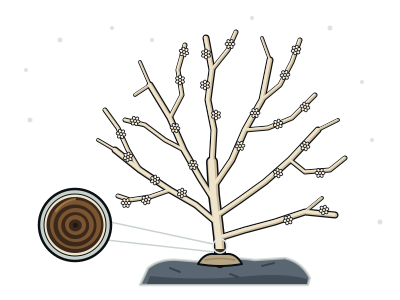
- Honeycomb coralsAncient colonial corals built of tightly packed tubes, often looking like fossil honeycomb.