An extinct group
Ammonites †
Ammonoidea
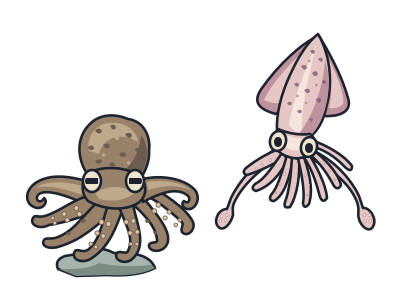
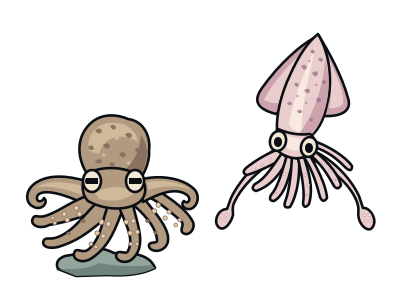
Squid relatives with spiral shells
This branch is shown at about 409 million years ago; its age is a rough estimate.
Lived about 409–66 million years ago.
You and ammonites meet in the Two-sided animals branch, shown at about 580 million years ago (on 11 November, in a calendar from life's shared ancestor to today).
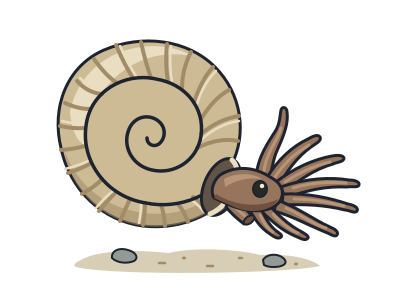
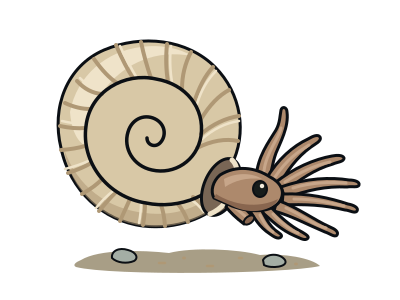
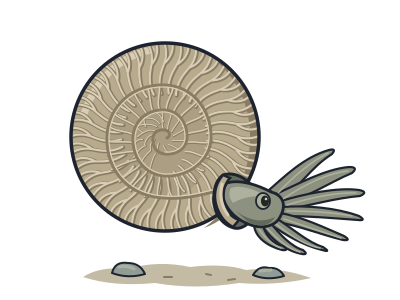
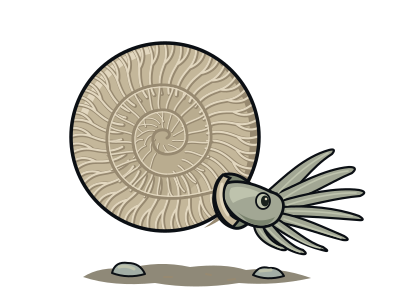
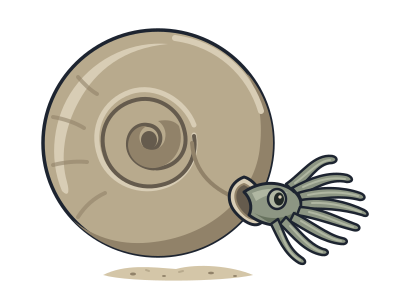
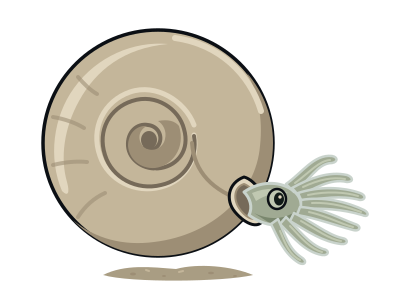
Ammonites were relatives of squid and octopuses, but many carried a coiled shell. They lived in oceans worldwide about 409 to 66 million years ago. Most disappeared in the mass extinction linked to the asteroid impact about 66 million years ago. Despite their familiar spiral shape, these animals were not snails.
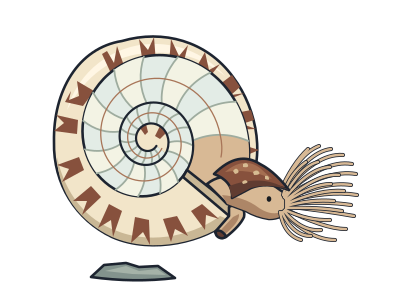
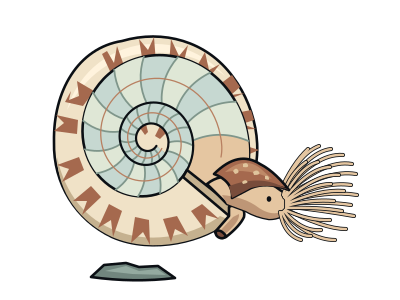
Inside each shell was a series of chambers. The animal occupied only the final, largest chamber, rather than filling the whole spiral. Earlier chambers held gas and liquid, helping it stay afloat. The shell was more than a protective covering: it also helped support life in the water.
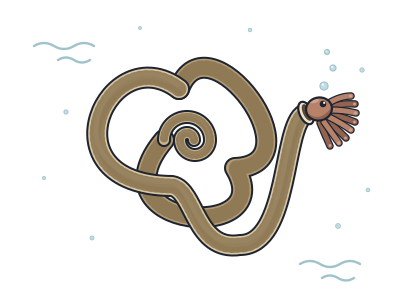
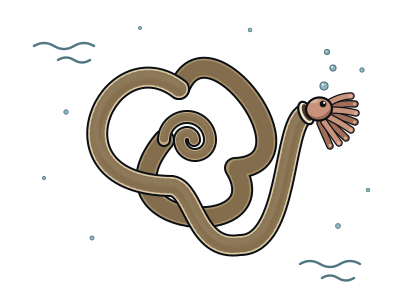
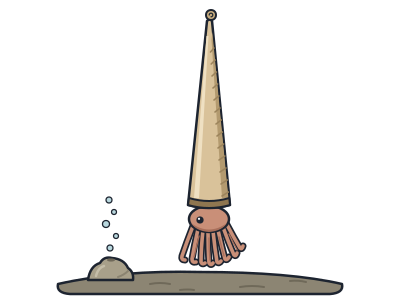
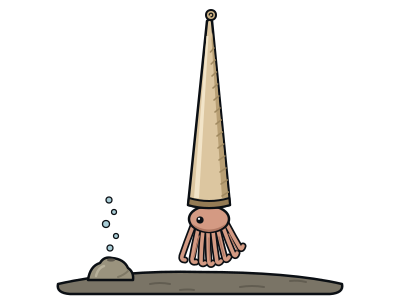
Not every ammonite had a neat spiral. Some had straight shells, while others formed corkscrews or tangled, knot-like shapes. Most fossils preserved shells rather than complete animals. Those remains revealed a remarkable range of shapes, but left much less evidence of the soft animals that once lived inside.
Decorated shells
Many ammonite shells carried raised ribs, knobs or spines.
Rock-layer clocks
Their rapid evolution and widespread fossils helped geologists match some rock layers to time intervals shorter than about 200,000 years.
An enormous fossil
The giant ammonite fossil from Seppenrade, Germany, preserved a shell about 1.7 metres across—roughly an adult’s height.
Inside ammonites
- Snakestone ammoniteRibbed coils once carved with snake heads and sold as petrified snakes.
- Giant ammoniteThe largest ammonite, with a shell nearly two metres across.
- BaculitesA straight ammonite shaped like a walking stick; only its tiny baby shell at the tip was coiled.
- NipponitesAn ammonite whose shell grew in a tangle of U-bends, like a knot of garden hose.