A species
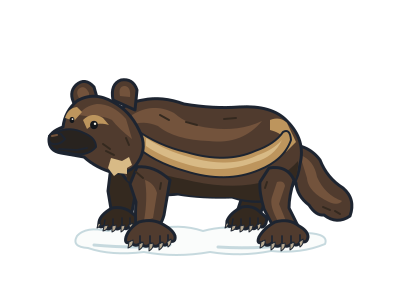
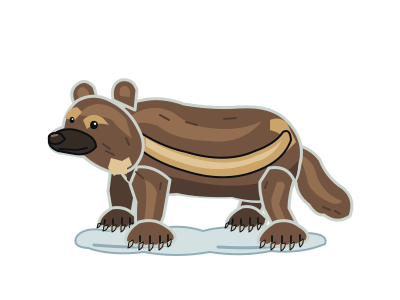
Wolverine
Gulo gulo
A bear-like weasel with a fierce reputation.
You and the wolverine meet in the Placental mammals branch, shown at about 95 million years ago (on 23 December, in a calendar from life's shared ancestor to today).
The wolverine is a weasel with a fierce reputation, not a little bear. Its broad body can be misleading: otters and badgers belong to the same family. It is the largest land-living member of that family, though sea otters can be heavier.
It lives in cold northern forests, open treeless country and mountains. Each foot has five toes, with curved claws that help it dig and climb. Wolverines generally live alone and mark their surroundings with scent. They do not sleep through winter, and can be active by day or night throughout the year.
In Alaska, much of a wolverine's winter food comes from the remains of large animals. Strong jaws and powerful neck muscles help it eat frozen meat and crush bones. It also eats smaller animals, including squirrels, hares and birds. Finding food left behind by other animals is an important part of its life.
Food for later
Wolverines hide spare food in holes or beneath snow, saving it for another meal.
A long day's travel
One wolverine was documented travelling about 65 kilometres in a day.
A snowy nursery
In Alaska, females usually have about two or three young between February and April. The young are born blind, often in snow dens.
Next to it on the tree
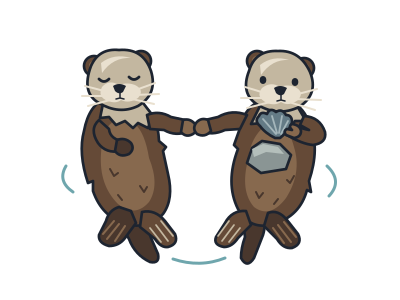
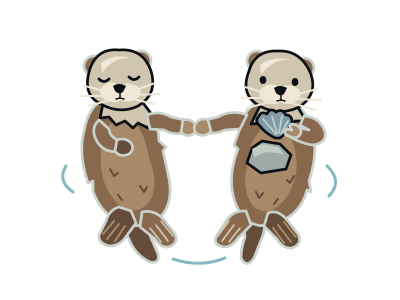
- Sea otterCracks shellfish with rocks on its belly; some hold paws while sleeping, though this is uncommon in the wild.
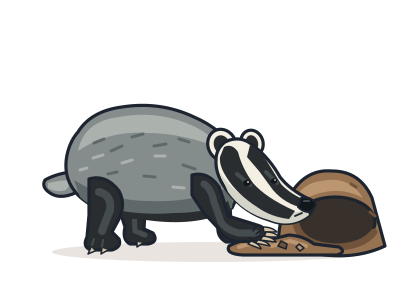
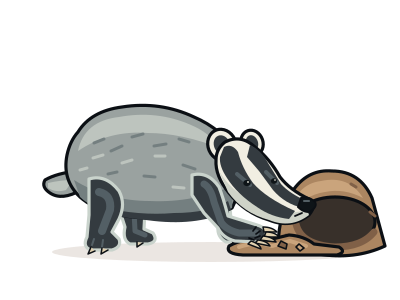
- European badgerSome underground setts are maintained and enlarged by generations of badgers for centuries.
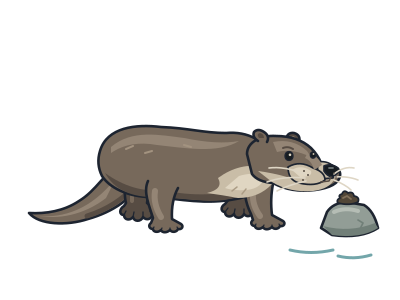
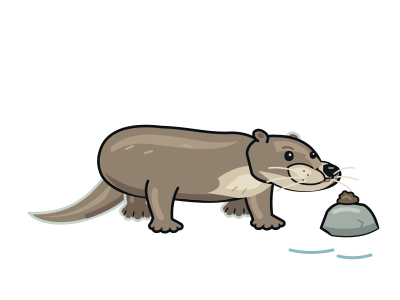
- Eurasian otterA river hunter whose scent messages include droppings often compared with jasmine tea.
- Honey badgerA tough African digger with loose, thick skin that raids bee nests for larvae and honey.
- StoatA slim hunter whose coat turns white in snowy winters; its white fur is called ermine.
- FerretA domestic polecat kept for over 2,000 years, first to chase rabbits out of burrows.
- Giant otterA family-living Amazon otter almost two metres long that calls with many sounds.