A species
European badger
Meles meles
A family home that outlasts its builders.
You and the european badger meet in the Placental mammals branch, shown at about 95 million years ago (on 23 December, in a calendar from life's shared ancestor to today).
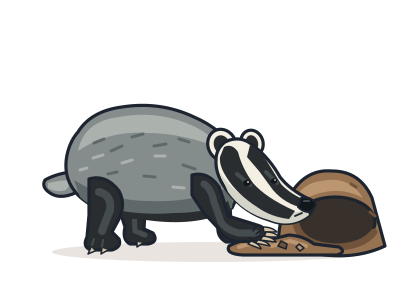
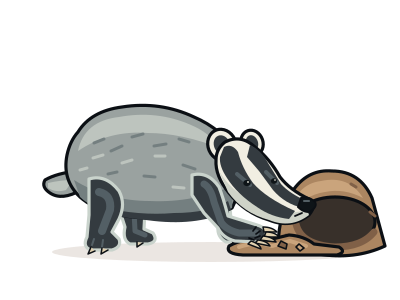
Some European badger homes have been used for centuries. Successive generations dig, maintain and enlarge the same underground network of tunnels and rooms, called a sett. The home lasts far longer than any one badger. Some grow into huge systems, but not every sett is enormous. Entrances are often wider than they are tall, with piles of dug-out earth outside.
These sturdy diggers belong to the weasel family, alongside otters and wolverines. A sea otter is in the same family, despite its very different way of life. A striped skunk is not: its striking black-and-white appearance hides the fact that it belongs to a separate family.
Badgers collect dried plants for bedding and clear old bedding from their sleeping areas. They are mainly active at night, although warm summer evenings may bring them out before sunset. A keen sense of smell helps them find food, and strong claws help them dig it out.
Unexpected lodgers
Foxes sometimes use a sett while badgers are still living there.
Five-toed tracks
Badger footprints have five toe pads and often show clear claw marks.
Boundary markers
Badger groups mark their territory with shallow toilet pits, often along boundaries and regularly used paths.
Next to it on the tree
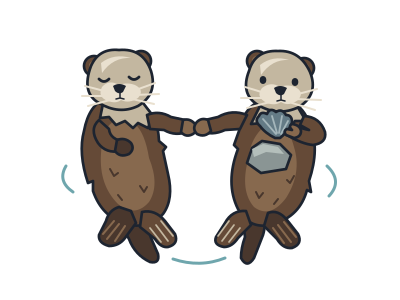
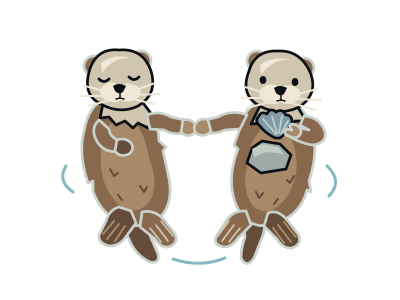
- Sea otterCracks shellfish with rocks on its belly; some hold paws while sleeping, though this is uncommon in the wild.
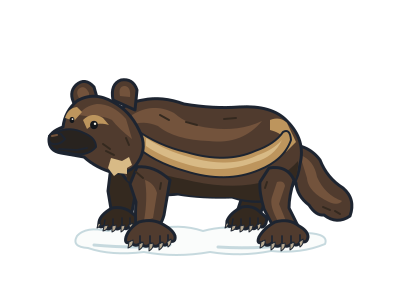
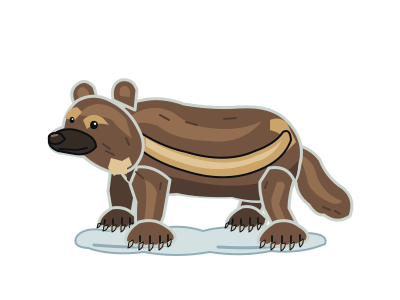
- WolverineA stocky weasel relative adapted for frozen food and snowy travel; its fearlessness is often exaggerated.
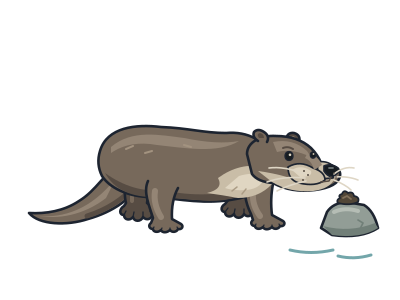
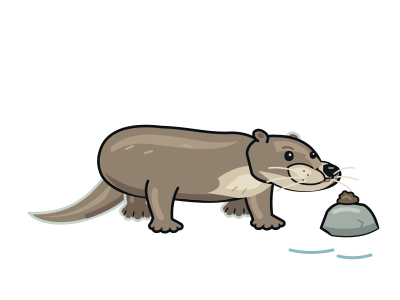
- Eurasian otterA river hunter whose scent messages include droppings often compared with jasmine tea.
- Honey badgerA tough African digger with loose, thick skin that raids bee nests for larvae and honey.
- StoatA slim hunter whose coat turns white in snowy winters; its white fur is called ermine.
- FerretA domestic polecat kept for over 2,000 years, first to chase rabbits out of burrows.
- Giant otterA family-living Amazon otter almost two metres long that calls with many sounds.