A species
Eurasian otter
Lutra lutra
A river hunter with a jasmine-tea calling card
You and the eurasian otter meet in the Placental mammals branch, shown at about 95 million years ago (on 23 December, in a calendar from life's shared ancestor to today).
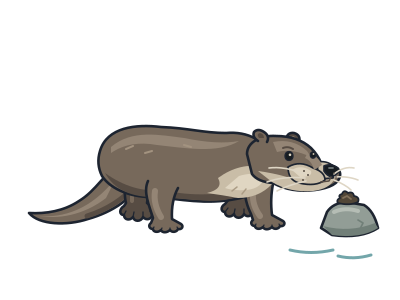
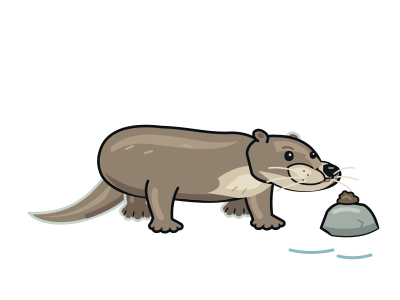
This river hunter leaves droppings often described as smelling of jasmine tea. It belongs to the weasel family, alongside sea otters, badgers and wolverines—a surprising set of relatives with very different shapes and ways of life. Using scent to communicate is one connection between these family members, though they use it in different ways.
The otter’s droppings are called spraints. Left in noticeable places, such as fallen trees and bridges, they carry scent messages that help attract mates and defend the otter’s territory. What looks like a simple dropping is part of how otters communicate.
In the water, webbed feet help it swim and dense fur keeps it warm. It can close its ears and nostrils underwater, while long, sensitive whiskers help it detect prey moving nearby. Fish are its main food, but it also eats animals such as frogs and waterbirds.
Britain’s only native otter
It is the only otter species native to the British Isles.
Small families
A female usually has two or three cubs. They are born blind and are raised by their mother.
Five-toed tracks
Its footprints have five toes, though not every toe leaves a clear mark.
Next to it on the tree
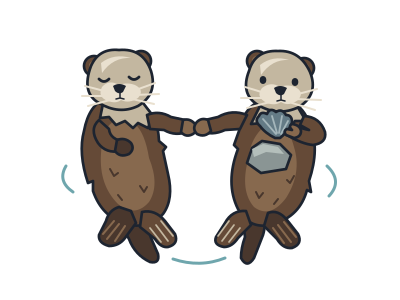
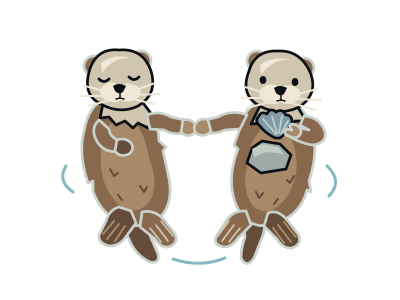
- Sea otterCracks shellfish with rocks on its belly; some hold paws while sleeping, though this is uncommon in the wild.
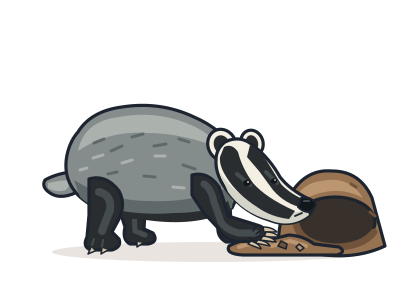
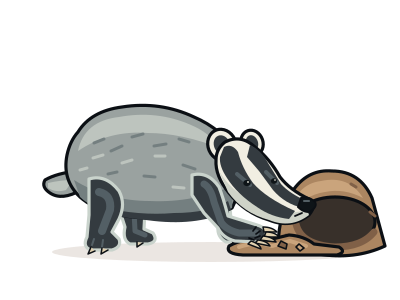
- European badgerSome underground setts are maintained and enlarged by generations of badgers for centuries.
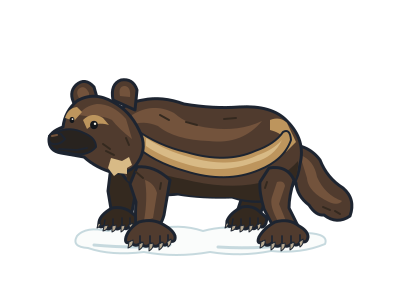
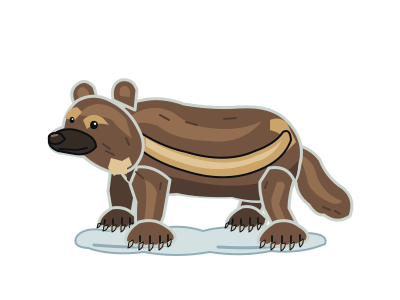
- WolverineA stocky weasel relative adapted for frozen food and snowy travel; its fearlessness is often exaggerated.
- Honey badgerA tough African digger with loose, thick skin that raids bee nests for larvae and honey.
- StoatA slim hunter whose coat turns white in snowy winters; its white fur is called ermine.
- FerretA domestic polecat kept for over 2,000 years, first to chase rabbits out of burrows.
- Giant otterA family-living Amazon otter almost two metres long that calls with many sounds.