A species
Sea otter
Enhydra lutris
A floating shellfish cracker with paws
You and the sea otter meet in the Placental mammals branch, shown at about 95 million years ago (on 23 December, in a calendar from life's shared ancestor to today).
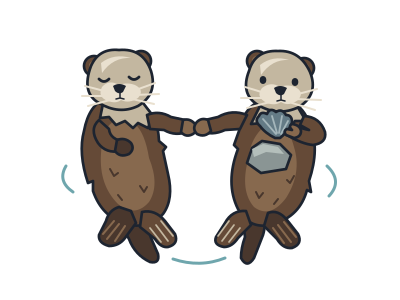
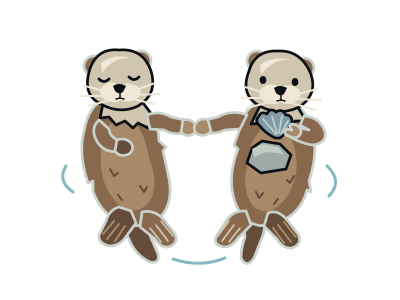
Sea otters sometimes hold paws while sleeping, though this is uncommon in the wild. They can also float belly-up and crack shellfish against a rock balanced on their chest or upper belly. This handy ocean animal belongs to the weasel family, alongside river otters, weasels and ferrets. Its watery life looks very different from that of many of its relatives.
A sea otter breathes air and brings food gathered underwater back to the surface to eat. Its meals include crabs, clams, snails, mussels and sea urchins. Resting otters often wrap themselves in kelp or seagrass to avoid drifting away. This works like an anchor while the otter rests.
Unlike seals and whales, sea otters have no thick layer of fat beneath their skin to keep them warm. Instead, dense fur traps insulating air, while their bodies produce plenty of heat. Keeping that coat clean matters: dirty fur loses its protection, and oil pollution can make it dangerously ineffective.
Built-in food pockets
Loose skin beneath each front leg forms a pocket for carrying food collected during a dive.
A floating raft
A group of resting sea otters is called a raft.
Helping underwater forests
By eating sea urchins, sea otters can help protect kelp forests from being stripped away.
Next to it on the tree
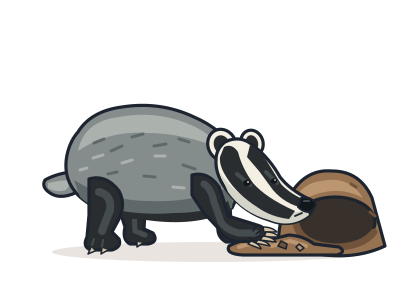
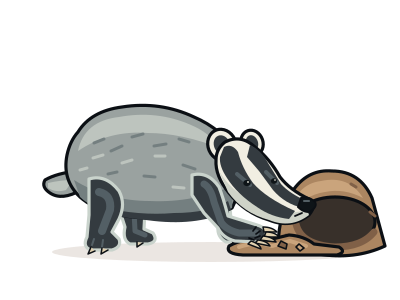
- European badgerSome underground setts are maintained and enlarged by generations of badgers for centuries.
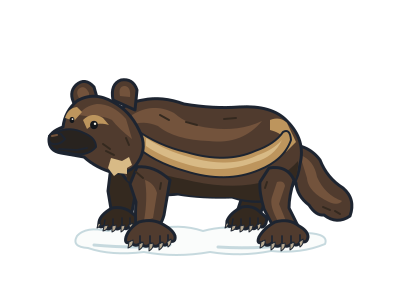
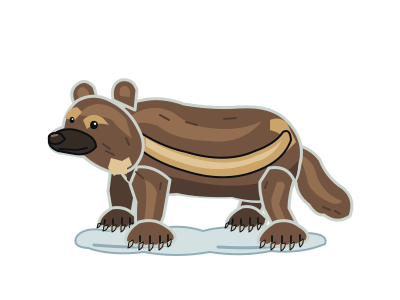
- WolverineA stocky weasel relative adapted for frozen food and snowy travel; its fearlessness is often exaggerated.
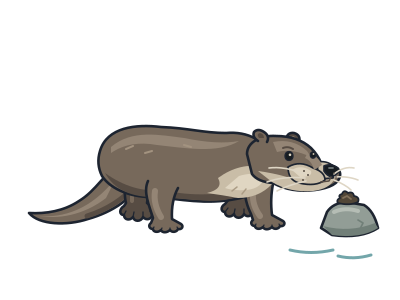
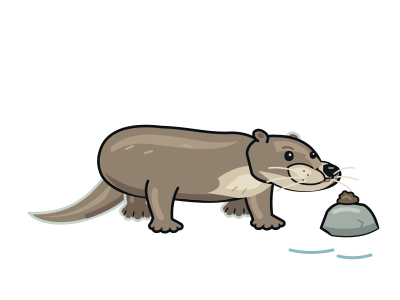
- Eurasian otterA river hunter whose scent messages include droppings often compared with jasmine tea.
- Honey badgerA tough African digger with loose, thick skin that raids bee nests for larvae and honey.
- StoatA slim hunter whose coat turns white in snowy winters; its white fur is called ermine.
- FerretA domestic polecat kept for over 2,000 years, first to chase rabbits out of burrows.
- Giant otterA family-living Amazon otter almost two metres long that calls with many sounds.