An extinct species
Chalk-age coccolith †
Watznaueria barnesiae
A tiny chalk plate that filled the seas of the dinosaur age
Lived about 168–66 million years ago.
You and the chalk-age coccolith meet in the Eukaryotes branch, shown at about 1.8 billion years ago (on 28 July, in a calendar from life's shared ancestor to today).
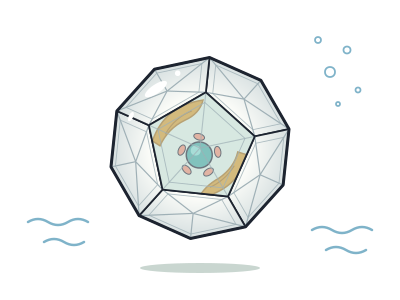
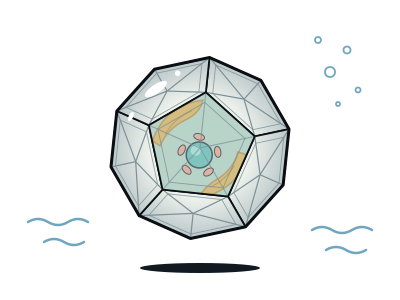
In the seas of the dinosaur age, this tiny alga made one of the most common chalk plates of all. It lived from about 168 to 66 million years ago, and its oval plates turn up in rocks all over the world. In some layers of one rock section in Tibet, its plates made up more than 80% of all the tiny chalk fossils found. Part of the reason is that its tough plates survived better than more delicate ones, which dissolved away.
Yet it was not an animal or a shellfish. It was a single-celled alga that lived on sunlight, like a plant. It belonged to the coccolithophores, which still drift in today's oceans. Its relatives on the tree include the living Ehux coccolithophore and the sea-foam alga.
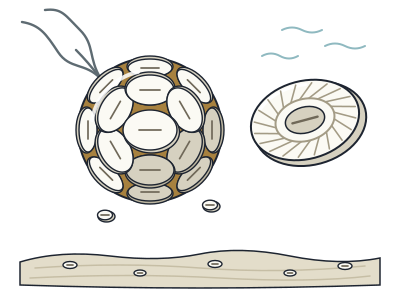
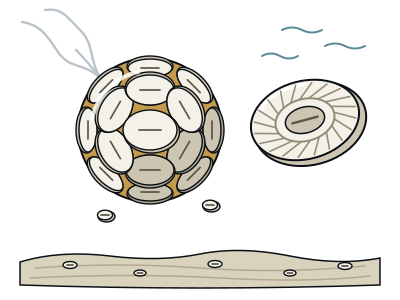
Fossils are almost always loose plates. Each one is only about 4 to 8 micrometres long, far too small to see without a powerful microscope. Each plate was built like two oval shields joined together, with a closed or very narrow centre and no bar across it. The soft cell, its colour and its whip-like tails were not preserved. Scientists work these out from living relatives.
When the cells died, their plates sank and piled up on the seafloor. Over millions of years this ooze turned into chalk and limestone, like the chalk in great white sea cliffs.
Slow as can be
Chalk built up on the seafloor very slowly, about 1 to 2 centimetres every thousand years.
Shrinking in hard times
In the middle of the Cretaceous, during times when the deep ocean lost its oxygen, its plates got smaller and more stretched-out. Changing seawater was probably the cause, but the species kept going.
A hidden pinwheel
Under a microscope with special light filters, each plate glows bright against a dark background and shows a dark cross with bent arms, like a pinwheel.
Next to it on the tree
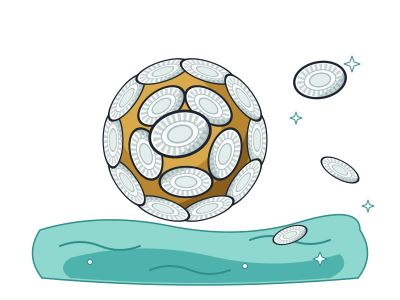
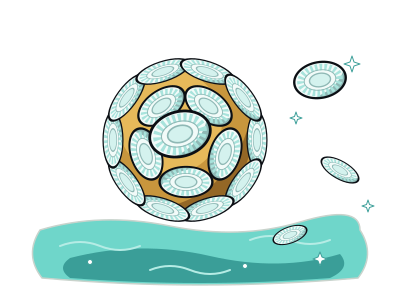
- Ehux coccolithophoreIts blooms turn whole seas milky turquoise in pictures taken from space.
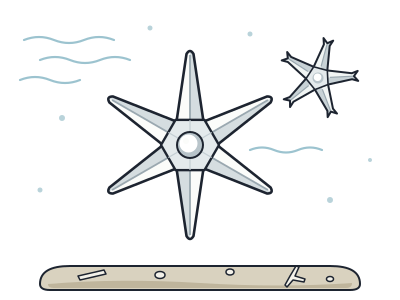
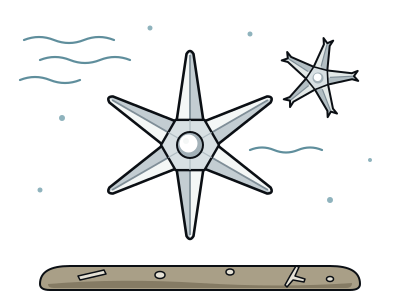
- Star-shaped DiscoasterMicroscopic chalk stars that filled ancient seas and vanished as the Ice Age began.
- Sea-foam algaIts jelly-like colonies whip up the thick foam that piles onto North Sea beaches.
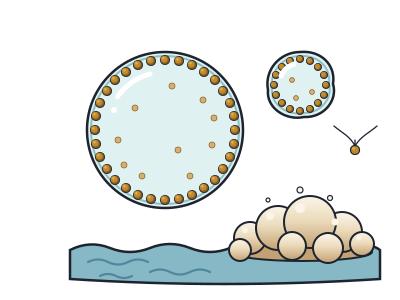
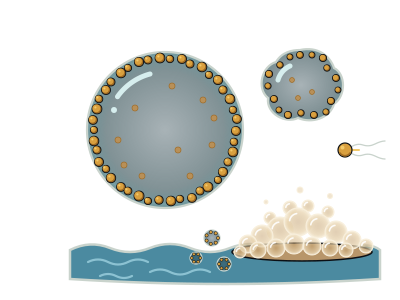
- Pentagon coccolithophoreWears five-sided chalk plates and holds a nitrogen-fixing partner that became part of the cell.