An extinct species
Tupandactylus †
Tupandactylus imperator
A flying reptile with a towering head sail
Lived about 115–110 million years ago.
You and the tupandactylus meet in the Amniotes branch, shown at about 320 million years ago (on 4 December, in a calendar from life's shared ancestor to today).
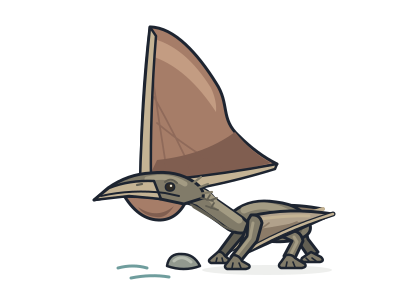
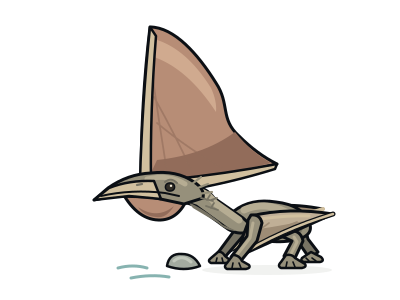
A huge, sail-like crest made its head taller than it was long. This was a pterosaur: a flying reptile, not a dinosaur or a bird. It belonged to a separate branch of the reptile family tree, alongside the other pterosaurs shown here. It lived about 115 to 110 million years ago.
The crest was not a solid slab of bone. Fossils showed bony supports and an extensive sheet of soft tissue. A long bony point stretched out behind the head, almost matching the length of the skull in front of it.
Its fossils came from north-eastern Brazil, from rocks called the Crato Formation. The limestone formed in quiet lake water, which also preserved plants, insects, fish and other animals with backbones. These finds recorded where the remains were buried, but did not reveal every place this reptile had lived.
A toothless beak
Its pointed beak had no teeth and bent slightly downwards at the front.
Another crest below
A deep, rounded bony crest projected beneath its lower jaw.
A change of name
Scientists first described it in 1997 and moved it into its current genus in 2007.
Next to it on the tree
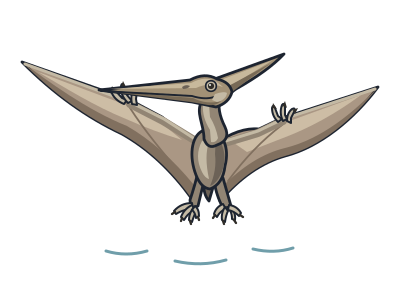
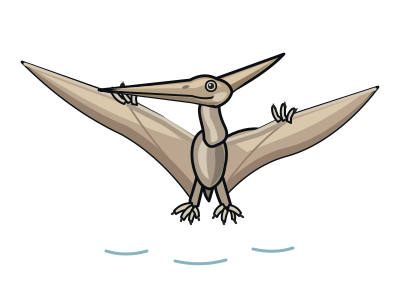
- PteranodonA toothless pterosaur with a seven-metre wingspan that soared over inland seas.
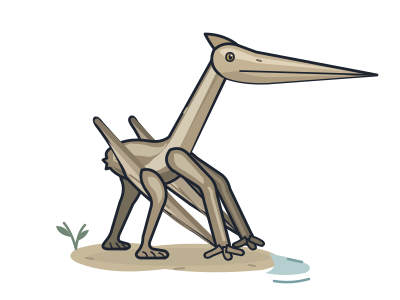
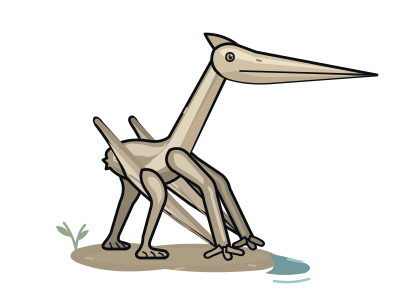
- QuetzalcoatlusA flying reptile as tall as a giraffe that stalked prey on the ground.
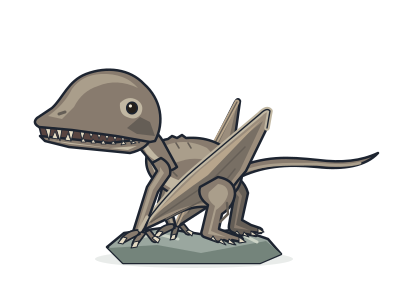
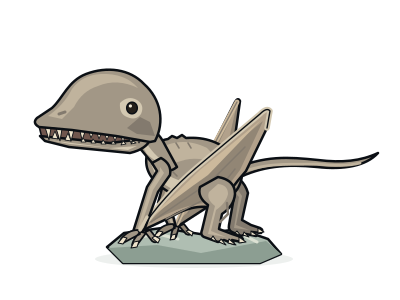
- DimorphodonAn early pterosaur with a big, puffin-like head and two kinds of teeth.
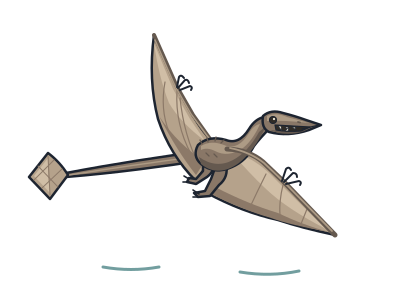
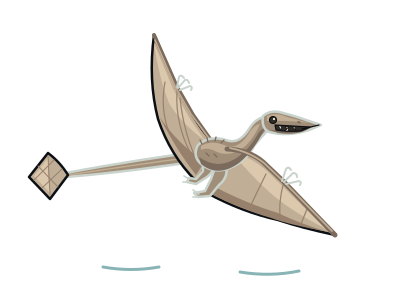
- RhamphorhynchusA long-tailed pterosaur with a diamond-shaped vane at the tail tip.
- PterodactylusThe first pterosaur ever named, first thought to be a swimming animal.