An extinct species
Stegosaurus †
Stegosaurus stenops
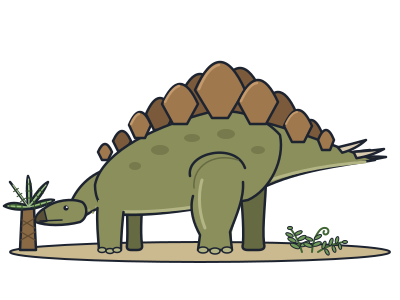
A plant-eater with tall back plates, a spiked tail and a brain about the size of a lemon or a plum.
Lived about 155–145 million years ago.
You and the stegosaurus meet in the Amniotes branch, shown at about 320 million years ago (on 4 December, in a calendar from life's shared ancestor to today).
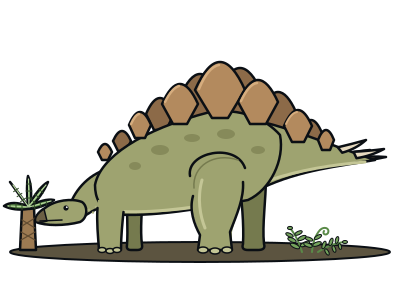
Stegosaurus had tall plates running down its back and four sharp spikes at the end of its tail. Its brain was tiny for such a big animal. It was about the size of a lemon or a plum, no bigger than a dog's brain. Stegosaurus lived mainly in what is now the western USA, about 155 to 145 million years ago.
It belonged to the armoured dinosaurs, the same wider group as Ankylosaurus. Early armoured dinosaurs had small, flat bony plates in their skin. Inside, the giant Stegosaurus plates are built in much the same way, which suggests they grew out of that ordinary body armour.
Fossils show about 17 to 22 plates in two rows that took turns from side to side, rather than standing in neat pairs. The biggest were more than 1 metre tall. The plates grew in the skin and were not joined to the skeleton. Inside they were like honeycomb, so they would have made poor armour. Most scientists think they were mainly for show, like the horns of many antelopes. The tail spikes, each about 60 to 90 centimetres long, were real weapons. One Allosaurus tail bone has a hole that matches a spike tip.
An adult was about 6.5 metres long, about half the length of a bus, and weighed about 3.5 tonnes. Its short front legs kept its head low. It probably used a beak to crop low plants such as ferns and horsetails.
No second brain
People once claimed Stegosaurus had a second brain in its hips. The idea came from a large space in its hip bones, but scientists rejected it long ago, and it is now known to be a myth.
Record-breaking fossil
In July 2024 a nearly complete Stegosaurus skeleton nicknamed 'Apex' sold at auction for about US$44.6 million. That is the highest price ever paid for a fossil at auction.
Named in 1877
The first Stegosaurus fossils were found in Colorado in 1877. That same year the scientist Othniel Charles Marsh gave it its name.
Next to it on the tree
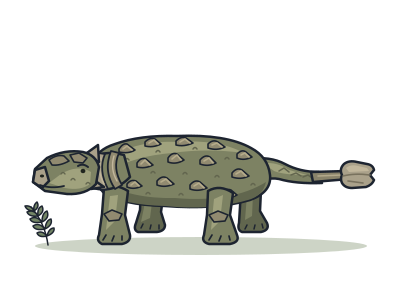
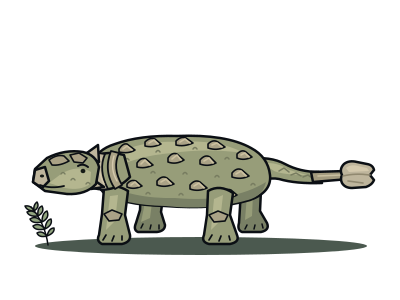
- AnkylosaurusA living tank with bony armour and a club on its tail.
- ScelidosaurusAn early armoured dinosaur with rows of bony studs, from England's Jurassic Coast.
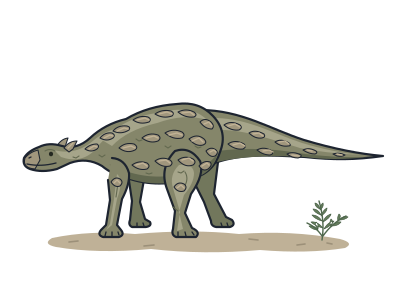
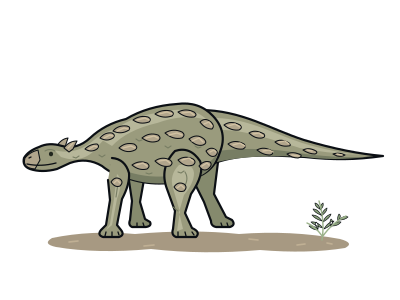
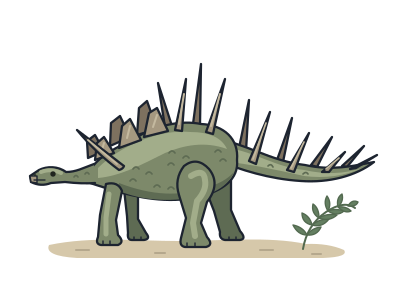
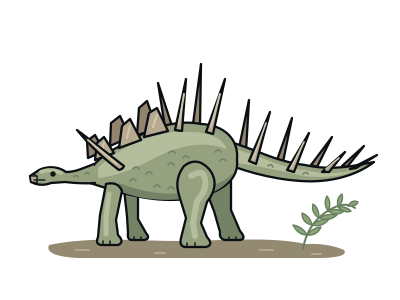
- KentrosaurusA stegosaur with plates in front and long spikes all along its back half.
- BorealopeltaA fossil armoured dinosaur with skin and armour preserved in three dimensions; its living colours remain debated.
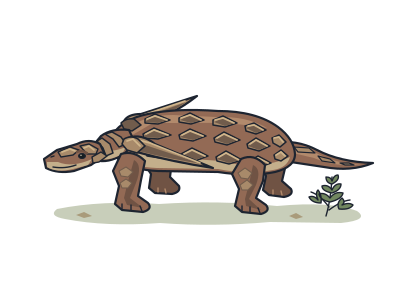
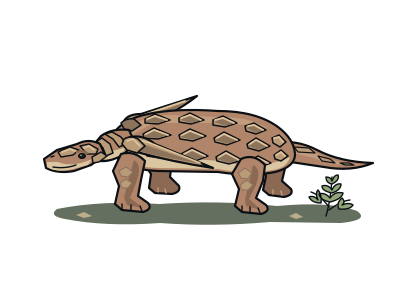
- EuoplocephalusEven its eyelids were armoured, and a heavy club swung from the tip of its tail.