A species
Saffron milk cap
Lactarius deliciosus
A pine-wood mushroom that bleeds orange milk and slowly turns green
You and the saffron milk cap meet in the Fungi and animals branch, shown at about 1.3 billion years ago (on 10 September, in a calendar from life's shared ancestor to today).
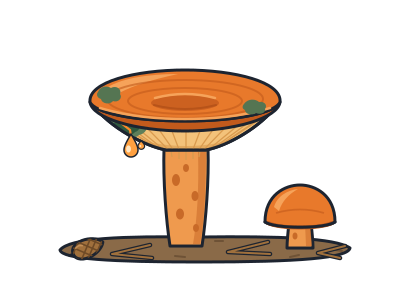
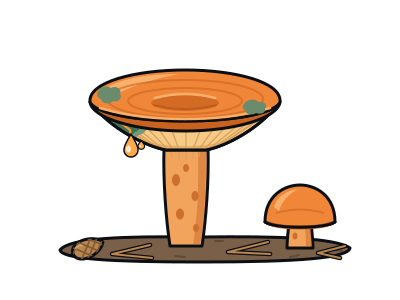
Cut this chunky orange mushroom and beads of bright carrot-orange milk ooze out. Over time, the cut flesh and gills slowly stain a deep green. That green is not a sign of rot. It is how this species normally reacts to bruising or handling.
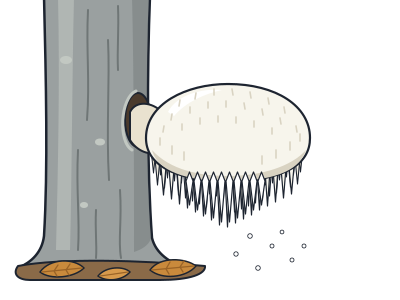
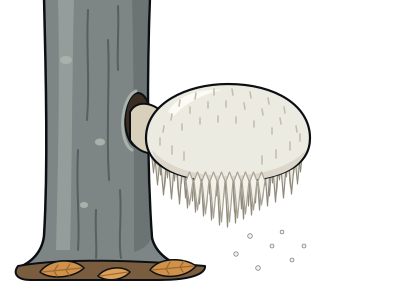
Its family is full of surprises. It belongs to a large group of fungi that includes other milkcaps and brittlegills, but also lion's mane, a 'tooth' fungus. The same group also has bracket fungi and flat crusts. Relatives in this group can have very different shapes.
The cap is carrot-orange and usually about 3 to 15 centimetres across, roughly the size of your hand. It starts out domed and becomes funnel-shaped, often with faint darker rings in circles. Underneath are crowded pale orange gills. The stem is short and stout, often with small sunken pits.
The mushroom is only the spore-making part. Much of the fungus is a hidden network of threads in the soil, wrapped around pine roots in a partnership that helps both. It is native to Europe. It reached Australia, New Zealand, Chile and South Africa by accident, along with pine plantations.
A tasty name
Its species name means 'delicious' in Latin. Linnaeus described it in 1753, and it is prized in Spanish, Polish and Russian cooking.
Harmless orange surprise
Eating a lot of it can turn a person's urine orange or red. This colour change is harmless.
Dinner-plate caps
In some Australian pine plantations, caps are reported to grow as big as a dinner plate. In autumn they turn up on market stalls and restaurant menus there.