A species
Reeves’s muntjac
Muntiacus reevesi
A small barking deer with short antlers and tusks, now common in English woods.
You and the reeves’s muntjac meet in the Placental mammals branch, shown at about 95 million years ago (on 23 December, in a calendar from life's shared ancestor to today).
Compare with something else
A small barking deer with short antlers and tusks, now common in English woods.
The full page for Reeves’s muntjac is still being written and drawn.
Next to it on the tree
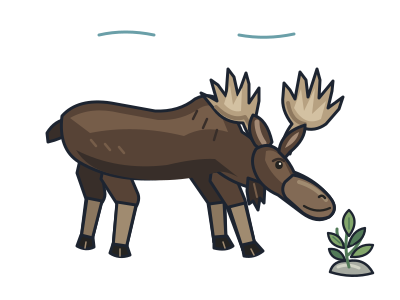
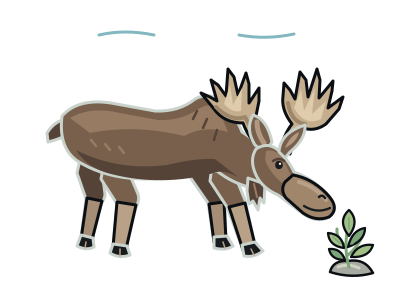
- MooseThe largest living deer can submerge completely to reach water plants; precise diving limits are uncertain.
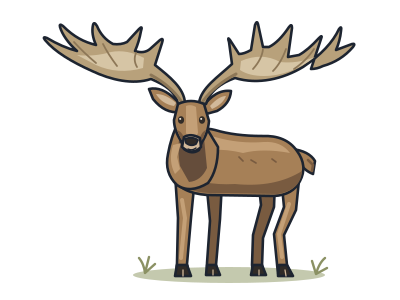
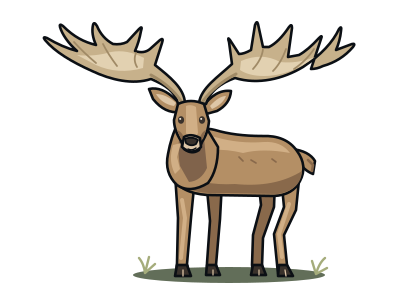
- Irish elkA giant deer whose exceptional antlers spanned about 3.6 metres, the largest known among deer.
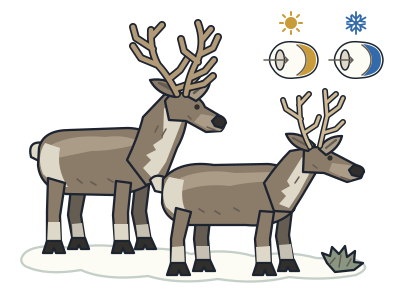
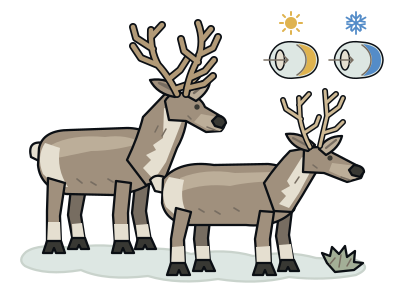
- ReindeerFemales can grow antlers too; an internal reflective eye layer changes from gold in summer to blue in winter.
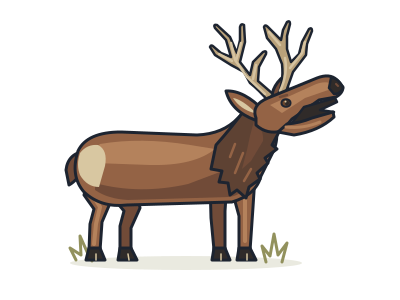
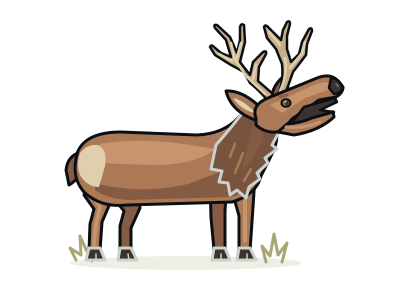
- Red deerStags roar and lock antlers in autumn contests.
- White-tailed deerNorth America’s most common deer, which flashes its white tail as an alarm signal.
- Roe deerA small European deer that can delay its pregnancy so fawns are born in spring.
- Chinese water deerA deer with no antlers but long tusk-like fangs, nicknamed the vampire deer.