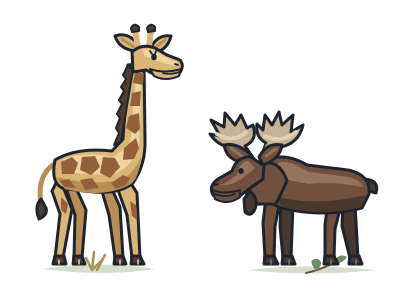
A group of living things
Ruminants
Ruminantia
Cud-chewing relatives, from cows and deer to giraffes
This branch is shown at about 40 million years ago; its age is a rough estimate.
You and ruminants meet in the Placental mammals branch, shown at about 95 million years ago (on 23 December, in a calendar from life's shared ancestor to today).
Cows, deer and giraffes share a surprising family connection: they chew the cud using a four-part stomach. That means one stomach divided into four connected compartments, not four separate stomachs. They belong to the ruminants, a group that also includes sheep, goats, antelopes and pronghorns.
Chewing the cud means bringing swallowed food back into the mouth, grinding it further and swallowing it again. In a giraffe, even leaves that have travelled down that long neck make the return journey. Inside a cow’s largest stomach compartment, tiny living organisms help break down tough plant material and release nutrients. Chewing is only part of the work.
There are exceptions within this group, and other cud-chewers sit outside it. Chevrotains, also called mouse-deer, belong here but have only three fully developed stomach compartments. Camels and llamas chew cud too, yet belong to a separate branch. Their stomachs have three compartments, so cud-chewing alone does not tell you which branch an animal belongs to.
No upper front teeth
Cows have a tough pad instead of upper front teeth. Their back teeth grind plants with a sideways movement.
Seven neck bones
Despite their long necks, giraffes have seven neck bones—the same number as humans.
Giraffes’ nearest relative
The okapi is the closest living relative of giraffes as a group. It belongs here too.
Inside ruminants
- GiraffeSame number of neck bones as you (seven), each one enormous.
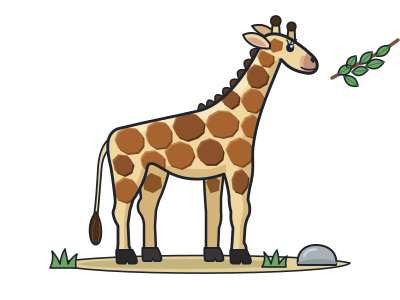
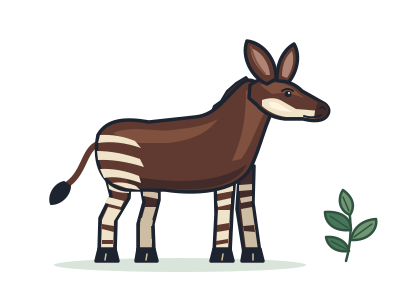
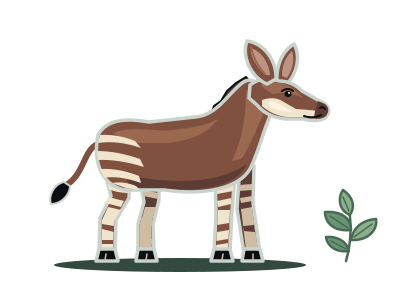
- OkapiA forest giraffe relative with striped legs, recognised by Western science in 1901 but long known locally.
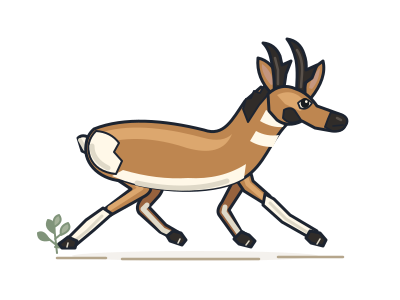
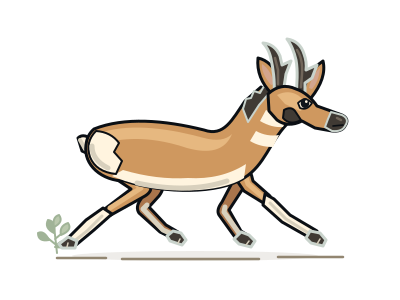
- PronghornNorth America’s fastest living land animal; why its ancestors evolved for running remains debated.
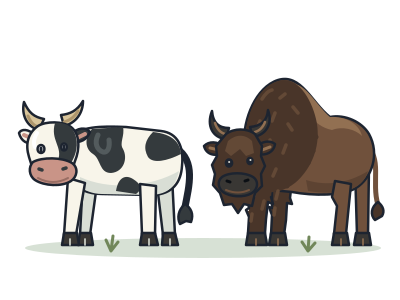
- Cattle, antelopes, sheep and goatsA family known for unbranched horns with a bony core; they are not normally shed each year.
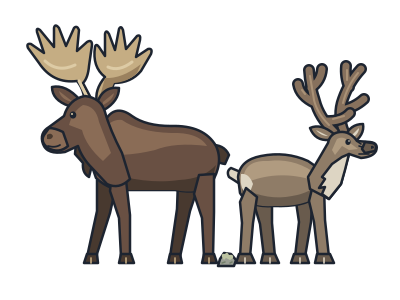
- DeerAntlers are bone that usually regrows each year, holding the growth-rate record among mammal tissues.
- Lesser mouse-deerOne of the smallest hoofed mammals, no bigger than a rabbit, with tiny fangs instead of antlers.
Next to it on the tree
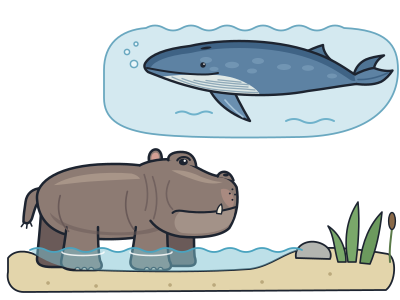
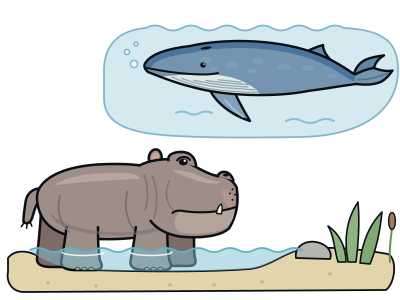
- Hippos and whalesThe hippo is the whale's closest living relative.
- AndrewsarchusKnown from one huge skull, it was once called the largest meat-eating land mammal.
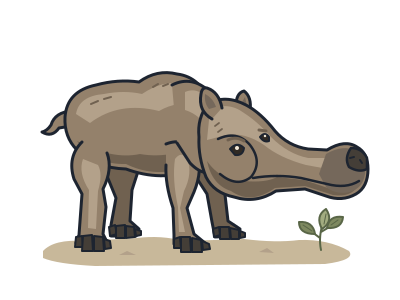
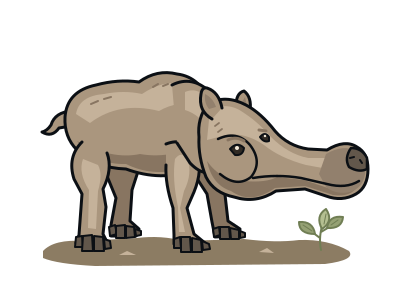
- Camels and llamasCamels began in North America; one branch went to Asia and Africa, the other to South America.
- Pigs and peccariesSnouts with a tough disc for rooting; peccaries of the Americas split from Old World pigs long ago.