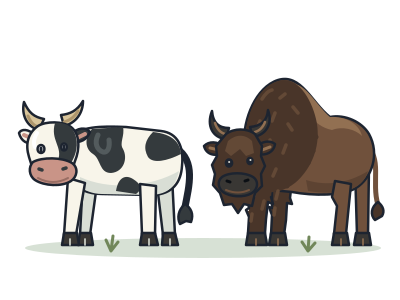
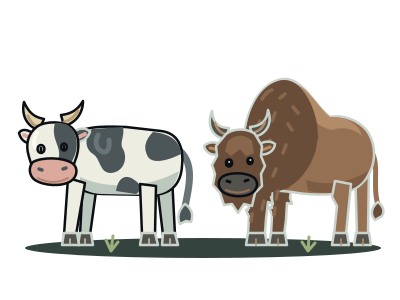
A group of living things
Cattle, antelopes, sheep and goats
Bovidae
One family, with horns built to stay.
This branch is shown at about 18 million years ago; its age is a rough estimate.
You and cattle, antelopes, sheep and goats meet in the Placental mammals branch, shown at about 95 million years ago (on 23 December, in a calendar from life's shared ancestor to today).
Hollow horns that are not shed each year link cattle, bison, sheep, goats and antelopes. But “hollow” does not mean empty: each horn has a tough outer covering around a core of bone. These horns can curve or twist, but they do not branch. Not every family member has them, though. Some domestic cattle are naturally hornless, and females lack horns in some species.
A familiar farm cow and a shaggy American bison are members of this same family. Deer, giraffes and okapis are relatives outside it. Nor is this just a grassland family: its members also live in forests, deserts, wetlands, mountains and the cold, open Arctic tundra.
Members of this family have one stomach divided into four compartments, not four separate stomachs. Tiny living things inside help break down plant material. They also bring partly digested food back to their mouths and chew it again. This food is called cud: chewing it again helps them make use of tough plants.
Two main toes
Their weight rests mainly on two central toes on each foot, making the familiar split hoof.
A name, not a branch
“Antelope” is a common name for various members of this family, not one precisely defined branch.
A hump for snow-clearing
A bison’s shoulder hump contains powerful muscles that swing its head sideways to clear snow from food.
Inside cattle, antelopes, sheep and goats
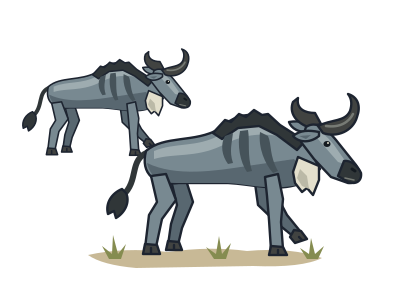
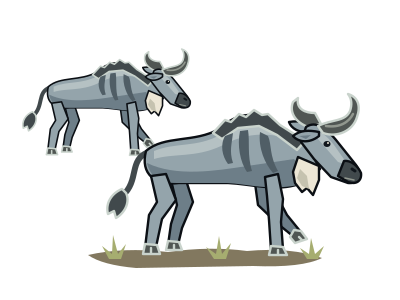
- Blue wildebeestOver a million of them loop around the Serengeti each year in one of the greatest migrations on land.
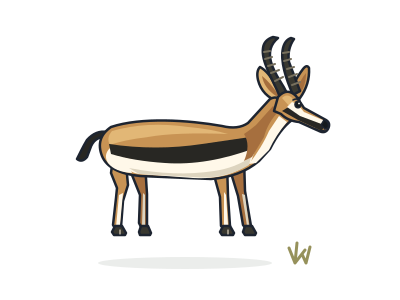
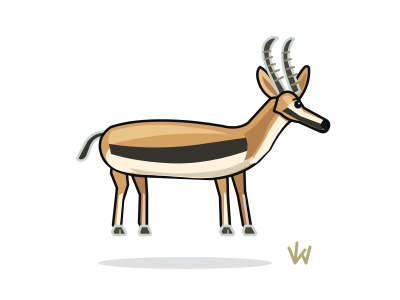
- Thomson's gazelleA small antelope that bounces on stiff legs; the display may advertise its escape ability.
- Cattle, buffalo and spiral-horned antelopesWild cattle, buffalo and spiral-horned antelopes like the kudu and eland form one branch.
- Goats, sheep and muskoxenSure-footed climbers and cold-weather grazers, including the first animals farmers tamed.
- ImpalaA graceful antelope that can leap about three metres high when fleeing predators.
- SpringbokBounces straight up on stiff legs, called pronking, possibly to show predators it is fit.
- GemsbokA desert oryx with long straight horns that can go long periods without drinking.
- SaigaA steppe antelope with a bulbous, droopy nose that filters dust and warms cold air.
Next to it on the tree
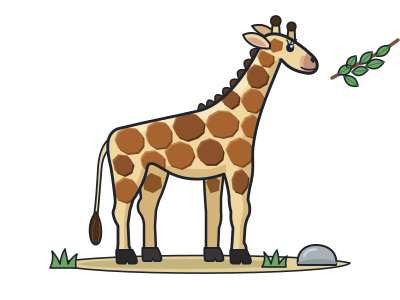
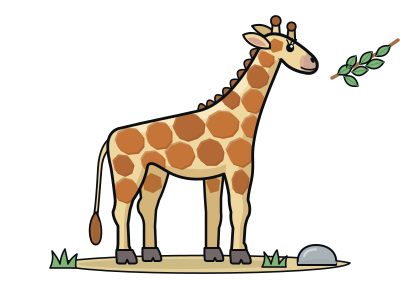
- GiraffeSame number of neck bones as you (seven), each one enormous.
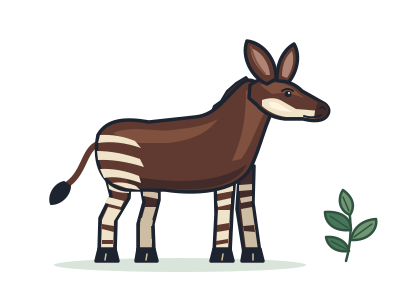
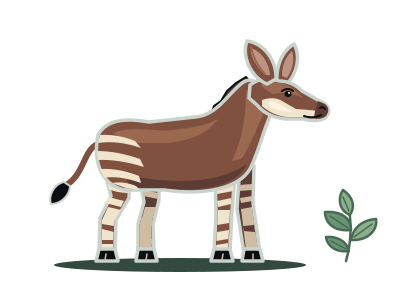
- OkapiA forest giraffe relative with striped legs, recognised by Western science in 1901 but long known locally.
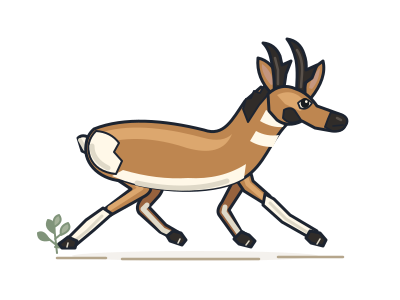
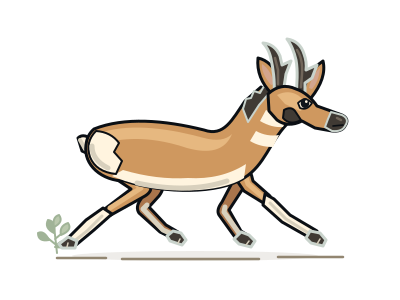
- PronghornNorth America’s fastest living land animal; why its ancestors evolved for running remains debated.
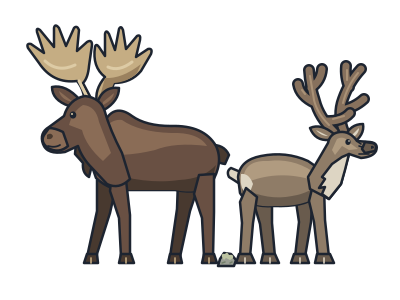
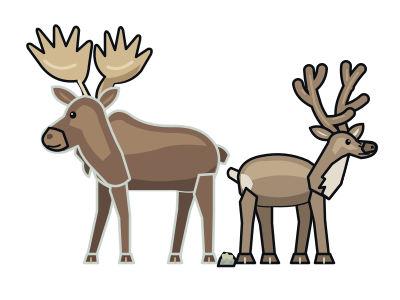
- DeerAntlers are bone that usually regrows each year, holding the growth-rate record among mammal tissues.
- Lesser mouse-deerOne of the smallest hoofed mammals, no bigger than a rabbit, with tiny fangs instead of antlers.