A species
Okapi
Okapia johnstoni
Zebra-striped legs, giraffe family
You and the okapi meet in the Placental mammals branch, shown at about 95 million years ago (on 23 December, in a calendar from life's shared ancestor to today).
With zebra-striped legs and giraffes as its closest living relatives, the okapi is a forest surprise. It belongs to the giraffe family and is not a kind of zebra. Western science recognised it in 1901, but Indigenous people of the Ituri Forest had known it for generations.
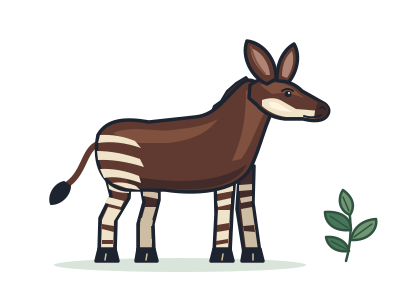
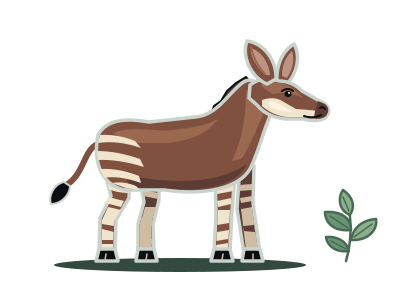
Confirmed wild populations live only in the rainforests of the Democratic Republic of Congo. Its brown coat has pale stripes across the rump and upper legs, rather than all over its body. Like giraffes, sheep and goats, it brings partly digested food back into its mouth and chews it again.
This forest relative of the giraffe is classified as Endangered. Forest clearance, illegal hunting, mining and armed conflict all threaten its future. Even working out how many remain is difficult: there is no reliable total for the wild population.
A tongue that reaches its ears
Its dark tongue is about 30 centimetres long. It can grasp leaves and reach the okapi’s own ears.
Individual stripes
Each okapi has its own stripe pattern, helping conservationists tell individuals apart.
Quick to stand
A newborn okapi can stand within about half an hour of birth.
Next to it on the tree
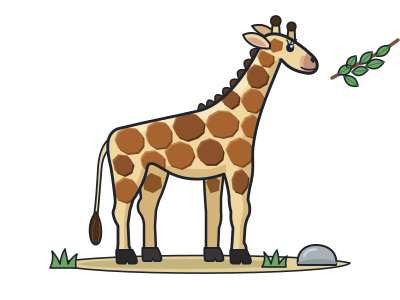
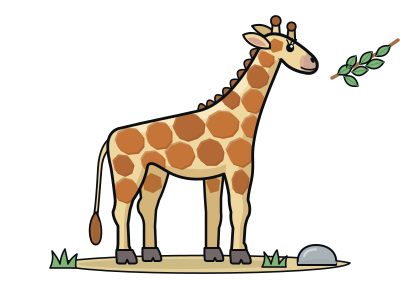
- GiraffeSame number of neck bones as you (seven), each one enormous.
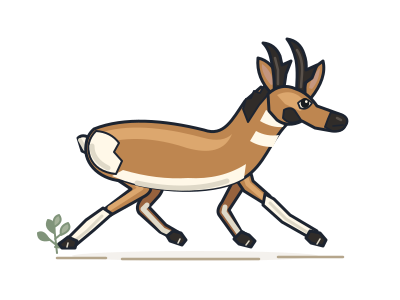
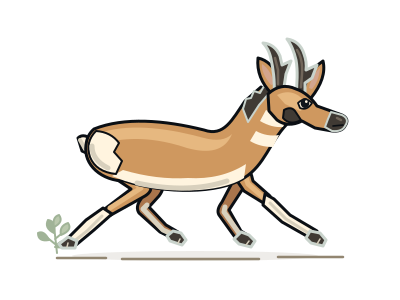
- PronghornNorth America’s fastest living land animal; why its ancestors evolved for running remains debated.
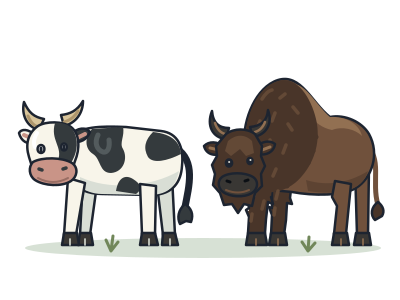
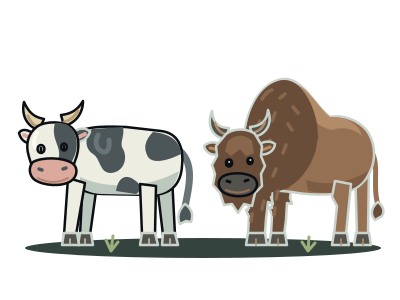
- Cattle, antelopes, sheep and goatsA family known for unbranched horns with a bony core; they are not normally shed each year.
- DeerAntlers are bone that usually regrows each year, holding the growth-rate record among mammal tissues.
- Lesser mouse-deerOne of the smallest hoofed mammals, no bigger than a rabbit, with tiny fangs instead of antlers.