A species
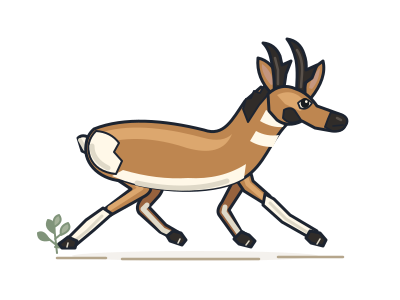
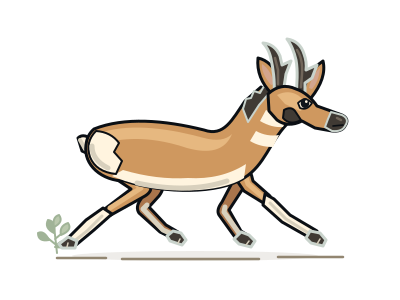
Pronghorn
Antilocapra americana
North America’s fastest land animal has giraffe relatives.
You and the pronghorn meet in the Placental mammals branch, shown at about 95 million years ago (on 23 December, in a calendar from life's shared ancestor to today).
The pronghorn is North America’s fastest living land animal. Yet this champion runner’s closest living relatives are giraffes and the okapi, not true antelopes. Its antelope-like looks hide a separate family story: it is the only living species left in its family.
An unusually large windpipe, heart and lungs help deliver the oxygen needed for fast running. Its very large eyes give it a wide view, helping it spot danger across open country. Speed and sharp eyesight suit a life with clear views and plenty of room to run.
A male’s horns have permanent bone inside a black outer covering. Each year, he sheds and replaces that covering—not the bone beneath it. This differs from cattle, which keep their horn coverings. The pronghorn’s family once included many other species, some with several unusually shaped horns.
A white warning
An alarmed pronghorn raises the white hairs on its rump, signalling danger to others.
Quick first steps
Fawns can walk within about half an hour of birth.
Winter gatherings
Winter herds include males, females and different ages. They split into smaller groups in spring.
Next to it on the tree
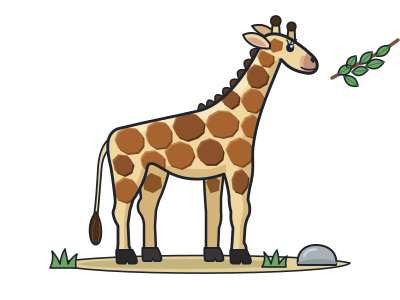
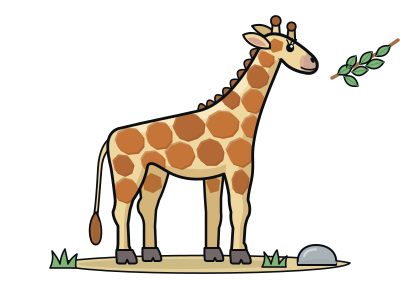
- GiraffeSame number of neck bones as you (seven), each one enormous.
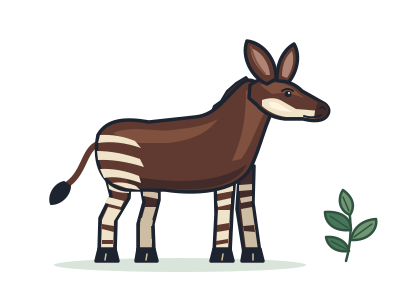
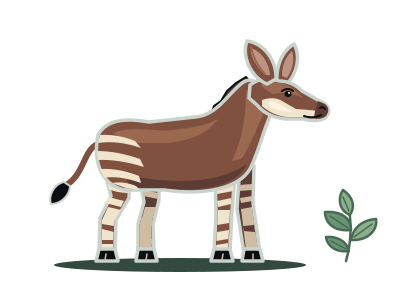
- OkapiA forest giraffe relative with striped legs, recognised by Western science in 1901 but long known locally.
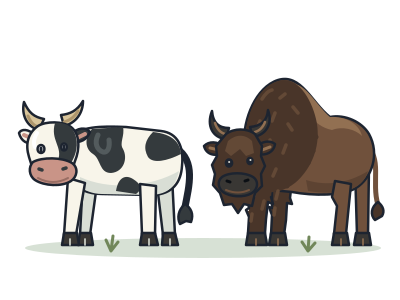
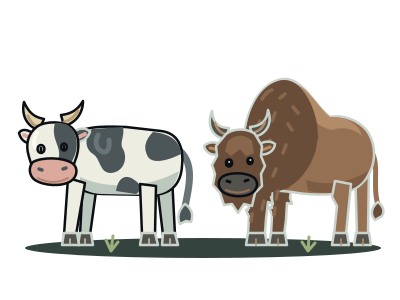
- Cattle, antelopes, sheep and goatsA family known for unbranched horns with a bony core; they are not normally shed each year.
- DeerAntlers are bone that usually regrows each year, holding the growth-rate record among mammal tissues.
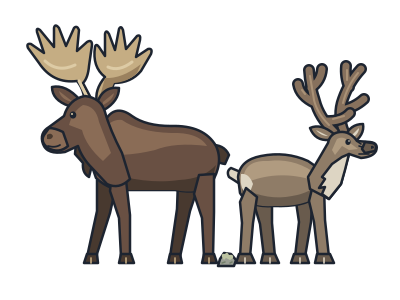
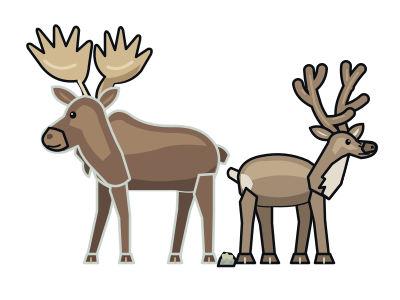
- Lesser mouse-deerOne of the smallest hoofed mammals, no bigger than a rabbit, with tiny fangs instead of antlers.