A species
Giant pumpkin
Cucurbita maxima
The plant that grows the heaviest fruit on Earth, at more than a tonne
You and the giant pumpkin meet in the Eukaryotes branch, shown at about 1.8 billion years ago (on 28 July, in a calendar from life's shared ancestor to today).
The heaviest pumpkin ever weighed came from this plant. In October 2026, a giant pumpkin grown in Rhode Island, USA, weighed about 1,430 kg. That is more than a tonne, or about as heavy as a small car. Giant pumpkins have long been known as the biggest fruits in the plant kingdom.
The surprise is that this monster is the same species as the everyday kabocha, buttercup and Hubbard squash in the supermarket. The giant type came mainly from Hubbard squash, with some genes from buttercup squash. Record growers mostly use a variety called 'Atlantic Giant'. On the tree of life, its relatives include roses, beans, oaks and figs.
So how does one fruit get so big? Its cells keep dividing for longer than in smaller squashes, then swell much more. Even so, a giant pumpkin is mostly water. Only about 4 or 5 parts in every 100 are solid. One plant can spread over about 110 square metres and can need up to about 1,900 litres of water a week. Growers pick off the extra fruit so that the whole plant feeds just one pumpkin.
People first farmed this species more than 4,000 years ago in South America, starting from a wild plant that grew near the Andes.
A record that fell twice in a week
In October 2026 the world record changed twice in seven days. A British pumpkin called 'Bagheera' set it at about 1,296 kg, and a week later a new one beat it by more than 130 kg.
Flowers that last one day
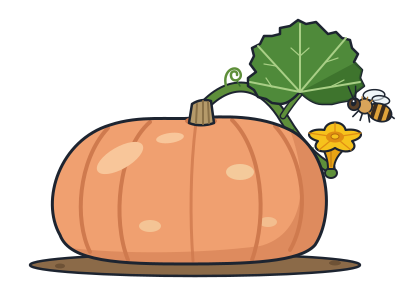
Each big yellow flower is open for only one day. Male flowers far outnumber female ones, by about 20 to 25 males for every female. Bees carry the sticky pollen between them.
Secretly a berry
To a botanist, a pumpkin is a kind of berry: a fleshy fruit full of seeds. Its seeds can stay alive for 6 to 8 years.