An extinct group
Ornithopods †
Ornithopoda
Beaked plant-eaters with teeth for chewing.
This branch is shown at about 170 million years ago; its age is a rough estimate.
Lived about 170–66 million years ago.
You and ornithopods meet in the Amniotes branch, shown at about 320 million years ago (on 4 December, in a calendar from life's shared ancestor to today).
Ornithopods were beaked plant-eaters, a group that included Iguanodon and the duck-billed dinosaurs. Duck-bills were not a separate group beside them: they were one branch within this group. Ornithopods lived about 170 to 66 million years ago.
A beak did not mean a toothless mouth. Iguanodon had chewing teeth behind its beak. Duck-billed dinosaurs packed their teeth together into continuous grinding surfaces, rather than using each tooth separately. Later members of the group developed bigger stores of replacement teeth, helping them keep eating as their working teeth wore away.
There was no single typical size for this group. Iguanodon was about 10 metres long—roughly the length of a bus—and weighed about four tonnes. These figures were estimates based on fossils, not measurements of living animals.
Four-legged walker
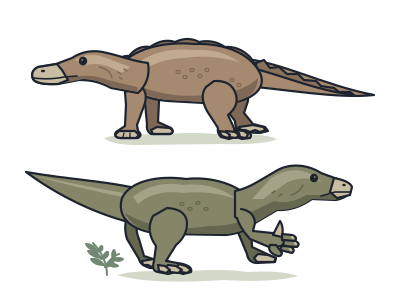
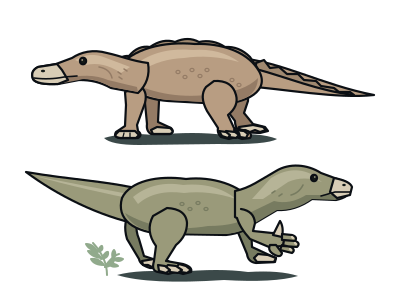
Iguanodon usually walked on four legs.
Missing thumb spikes
Duck-billed dinosaurs had lost the thumb spikes found in Iguanodon.
Growing up
Duck-bill fossils included nests, eggs, young animals and adults.
Inside ornithopods
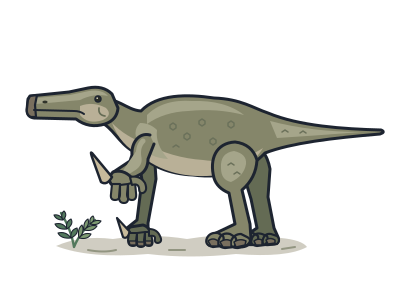
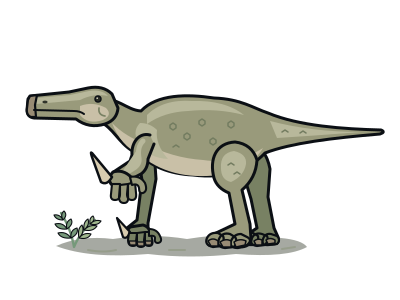
- IguanodonIts thumb spike was first put on its nose; dozens were found together in a Belgian coal mine.
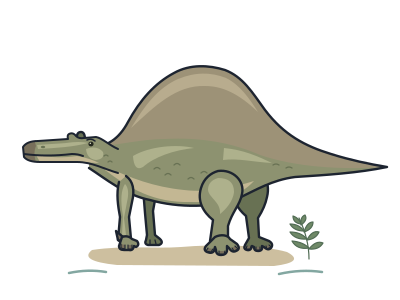
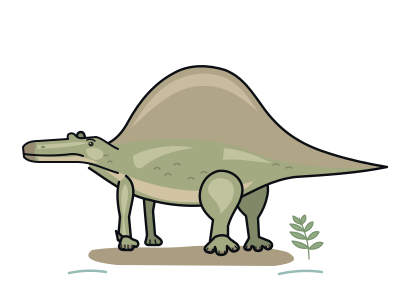
- OuranosaurusA plant-eater with a tall sail or hump along its back, from the Sahara.
- Duck-billed dinosaursDuck-billed plant-eaters with hundreds of grinding teeth, many living in herds.
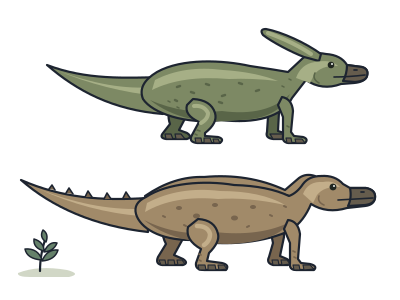
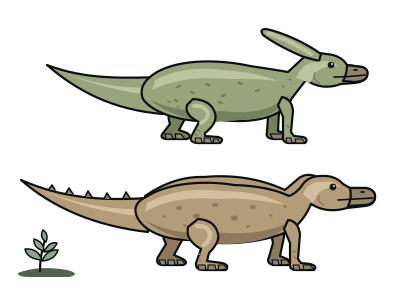
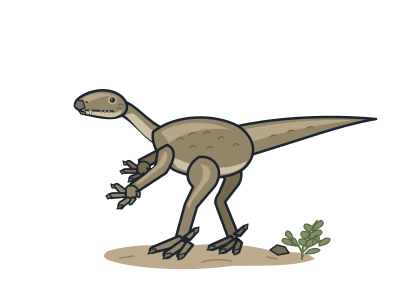
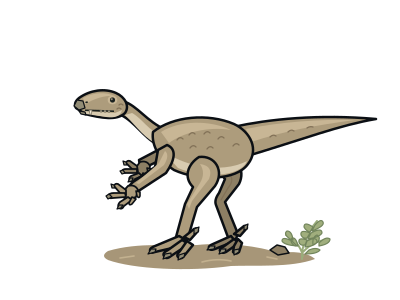
- LeaellynasauraA small plant-eater with big eyes and a very long tail, living near the South Pole.